

Eating Without Fear in a World
of Mixed Messages
Laura SHAMMAH MS, RDN
“Carbs are bad.” “Carbs are essential.” “Fasting is dangerous.” “Fasting is the secret to health.” If you’ve ever felt confused by food advice, you’re not alone. Every day we’re bombarded with conflicting messages, making it hard to know what’s “right.”
Whether you’re a student, a professional, a parent, or someone navigating later stages of life, food can feel like a minefield of rules and restrictions. But it doesn’t have to be that way. The key is food freedom, a way of eating that’s rooted in balance, trust, and joy instead of fear.
Why So Much Confusion?
Trends and fads play a major role. Nutrition culture thrives on extremes, whether it’s keto vs. plant-based or fasting vs. grazing. Social pressure adds to the mix, with social media making it easy to compare your plate to someone else’s. Many people also have a history of dieting, growing up with food “rules” passed down from family, peers, and media—beliefs that can take years to shake off.
The Problem with Food Fear
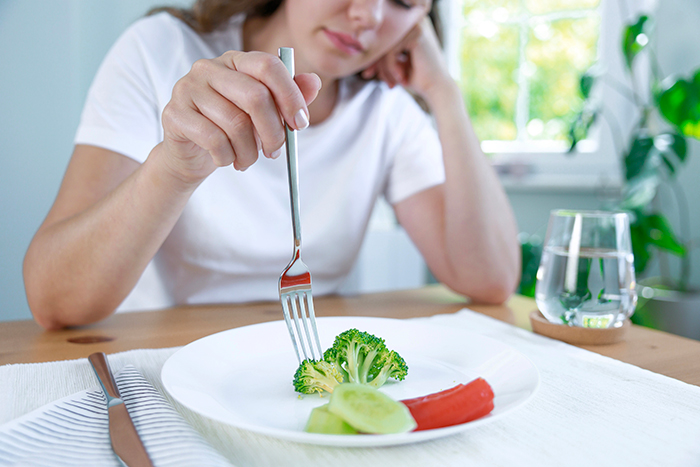
Food fear doesn’t just affect your plate, it affects your life. Maybe you feel guilty for eating dessert, anxious about eating out, or ashamed if you “give in” to cravings. But the cost is high:
• Restriction often leads to overeating or bingeing.
• Guilt disconnects you from enjoying meals and social experiences.
• Anxiety around food drains energy you could be using for things that really matter.
What Food Freedom Really Means
Food freedom isn’t about ignoring health, it’s about releasing the fear and guilt that keep you stuck in cycles of restriction. It means:
• Flexibility. Foods can fit. There’s room for salad and pizza.
• Balance. Most meals include a mix of protein, healthy fats, and fiber.
• Joy. Eating is about connection, culture, and pleasure, not calories.
• Confidence. Trusting your body’s cues instead of external rules.
Practical Ways to Start
1. Reframe your language. Swap “I can’t eat that” for “I choose what feels good for me.”
2. Add before you subtract. Focus on adding nourishing foods, like veggies, protein, or omega-3s, rather than obsessing over what to cut out.
3. Gentle structure. Regular meals and snacks support stable energy, mood, and focus.
4. Practice compassion. One meal never defines your health. Progress is about patterns, not perfection.
Why Food Freedom Matters at Any Age
Food freedom matters at every stage of life. For teens and young adults, it helps prevent harmful cycles of dieting and disordered eating. For busy adults, it creates mental space and supports a healthier, more positive relationship with food. Later in life, it frees you from years of yo-yo dieting and helps support lasting health. Food freedom gives back confidence, energy, and peace of mind.
The Emotional Side
When you let go of food fear, you also let go of unnecessary stress. Meals become about nourishment and connection, not judgment. Many people describe this shift as life-changing. It’s like reclaiming parts of themselves they didn’t realize dieting had taken away.
Closing Thought
Food freedom is for everyone. It’s not about perfection or extremes, it’s about making peace with food, trusting your body, and focusing on nourishment over rules. When you stop fearing food, you create space for balance, joy, and health that lasts a lifetime.
Laura Shammah, MS, RDN, specializes in eating disorders and works with a wide range of clients, including those managing PCOS, infertility, hypertension, high cholesterol, Crohn’s disease, diabetes, and cancer. She also supports clients training for marathons, women who are pregnant, and individuals seeking to lose or gain weight in a healthy way.