

Is Short-Term or Long-Term Real Estate
More Profitable?
Choosing between short-term and long-term rental investments is one of the biggest decisions real estate investors face. While each option offers its own path to profits, understanding the risks, responsibilities, and returns can make all the difference in finding what fits best for you. Whether you’re drawn to high-turnover vacation stays or dependable monthly tenants, it’s important to weigh the benefits and challenges of each approach before investing.

In today’s real estate market, rental property remains a top choice for building wealth. But deciding how to rent—short-term or long-term—can change your experience as an investor. Short-term rentals, like those listed on Airbnb or Vrbo, have surged in popularity, especially in vacation hot spots. At the same time, long-term leases continue to offer steady income with fewer demands. Which is more profitable? The answer depends on location, lifestyle, and how involved you want to be.
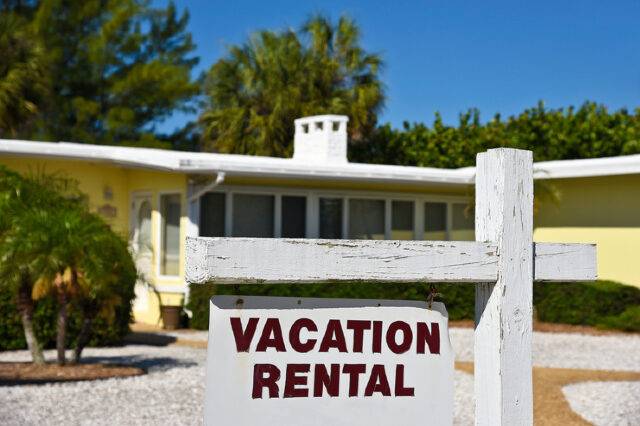
Short-term rentals often deliver higher income potential. A well-located vacation property can earn in a single month what a long-term lease might bring in all season. Pricing can be adjusted for holidays or local events, and bookings can be turned on or off as needed. But this flexibility comes with added work and costs. These properties require regular cleaning, guest communication, supply restocking, and constant maintenance. If you don’t live nearby, you’ll need to hire a cleaning and maintenance team—which quickly eats into your profits.
Another issue is guest behavior. Short-term renters may not treat the home with the same respect as long-term tenants. Parties, damages, and wear-and-tear can be more frequent. Unlike someone living there full-time, a vacationer has less personal investment in the property’s condition. And while most booking platforms offer host protections, they also charge fees—usually between 3% and 15%—cutting into your bottom line.
Managing short-term rentals also requires strong computer skills. You’ll need to handle online listings, respond quickly to messages, manage calendars, set competitive pricing, and maintain top ratings. A few bad reviews can drop your visibility and reduce bookings. If you’re not tech-savvy, you may have to hire someone to help, which again lowers your net income.
Long-term rentals offer more stability and fewer surprises. You collect rent on a fixed schedule, usually with a lease agreement in place. There are fewer turnovers, no need for constant cleaning, and less time spent answering messages or updating listings. Most landlords can manage one or two long-term rentals without much help. This makes it easier for people with full-time jobs or other responsibilities to stay involved without being overwhelmed.
However, long-term rentals typically have lower income ceilings. You can’t raise rent as easily or adjust pricing week to week. Tenants may also stop paying or break the lease, leading to legal costs or vacancies. Still, the overall effort is lower, and the risks are more predictable—especially if you screen tenants well and keep the property in good shape.
Choosing between the two strategies often comes down to location. Short-term rentals perform best in vacation destinations, near hospitals, universities, or city centers. Long-term units are better suited for suburban neighborhoods, school districts, and towns with stable job markets. Before deciding, investors should research local laws—some cities are cracking down on short-term rentals—or even banning them altogether.
It’s also important to consider your personality. Are you hands-on and detail-oriented? Do you enjoy managing people and solving problems in real time? Short-term rentals demand hustle, while long-term investing is slower but steadier. Some landlords prefer to blend the two strategies—renting short-term during peak seasons and switching to long-term tenants in off months—but that approach requires strong planning and adaptability.
Upfront costs differ too. Short-term rentals need full furnishings, smart locks, guest amenities, and décor that stands out online. Long-term rentals can get by with basic appliances and may not need to be furnished at all. The start-up budget for a short-term rental is often much higher—and the return can be great, but only if managed well.
Both paths can be profitable with the right plan. Start with one property and get to know the process. Speak with local agents, research your market, and track your numbers carefully. With smart choices and realistic expectations, either rental strategy can help you build income and long-term value—on your terms.