



The wedding dress has always reflected its moment, and 2026 is shaping up to be a year of quiet confidence and thoughtful design. Brides are choosing gowns that feel personal rather than performative, polished without being precious. The mood is modern, but grounded in tradition, with a strong focus on comfort and craft.




This shift is not about abandoning romance. It is about redefining it in ways that feel honest and wearable. Designers are responding with silhouettes and details that invite movement, personality, and ease, all while keeping that unmistakable bridal magic intact.
One of the most noticeable trends for 2026 is a softer approach to structure. Heavy corsetry is giving way to flexible bodices that still shape the figure but allow a bride to breathe, sit, and dance without feeling restricted. Built in support has improved, thanks to better pattern making and fabric technology, so gowns hold their form without stiffness. For brides, this means fewer outfit changes and more time enjoying the day without tugging or adjusting.
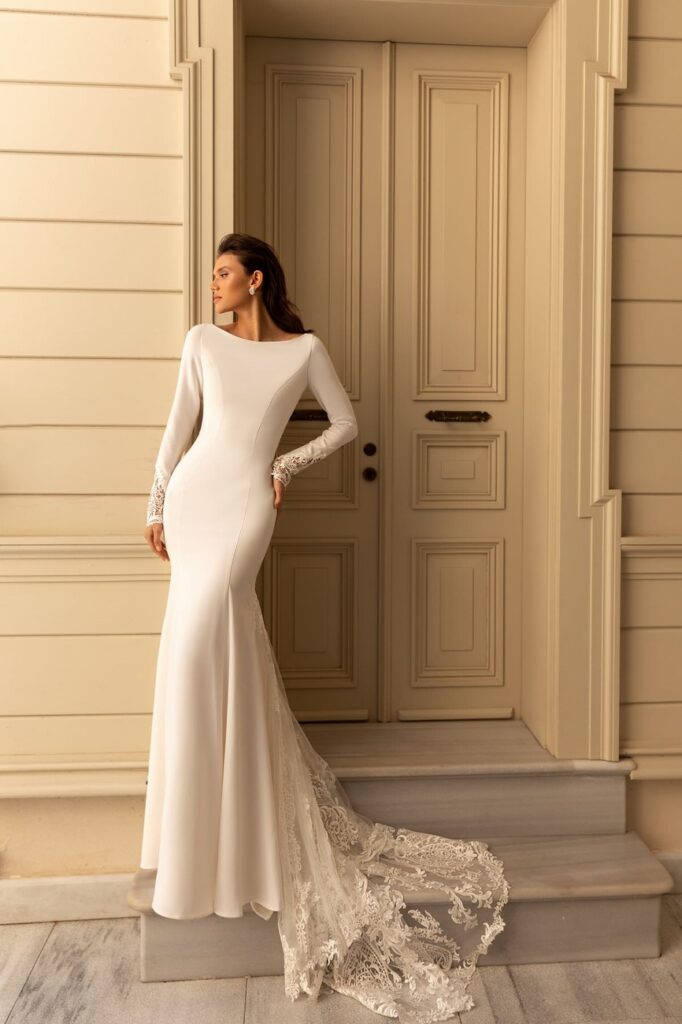
Fabric choices are also evolving. Matte finishes are taking center stage, replacing the high shine satins that dominated recent years. Silk crepe, soft mikado, and textured organza offer depth without glare, especially in natural light. These fabrics photograph beautifully and feel timeless, which appeals to brides thinking beyond the wedding album and toward how the dress will age in memory. Designers are also layering fabrics in subtle ways, creating movement that feels natural rather than dramatic.
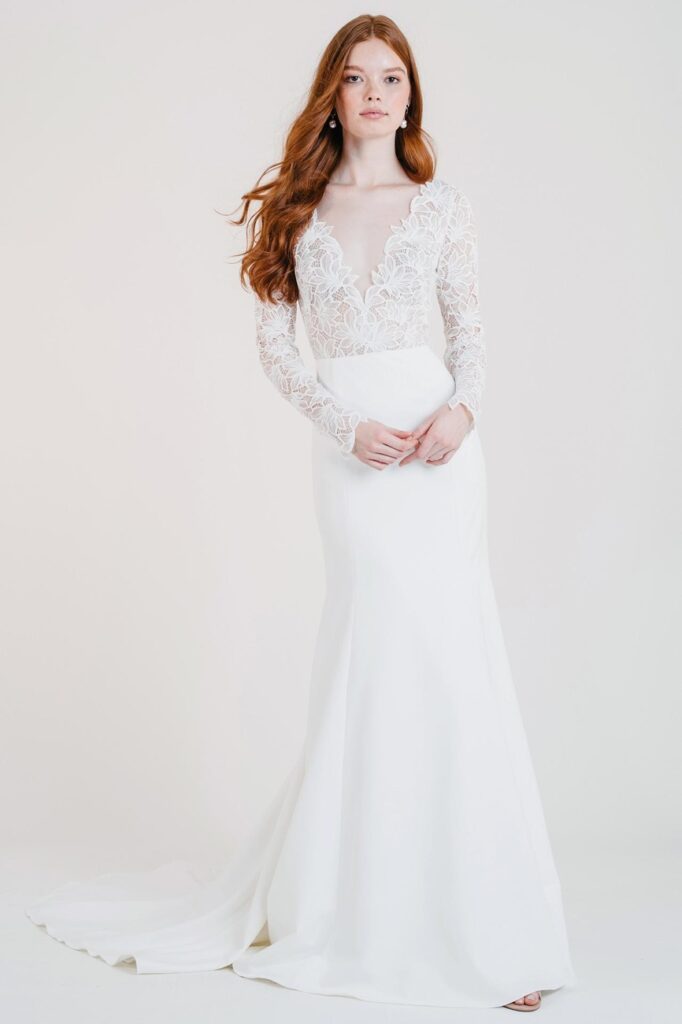
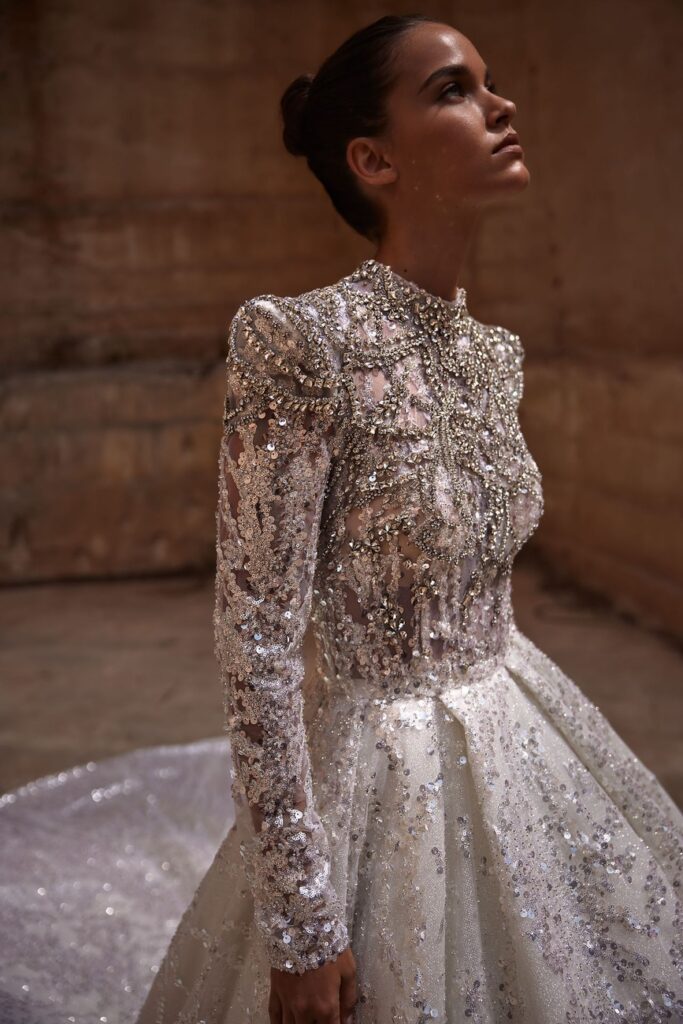
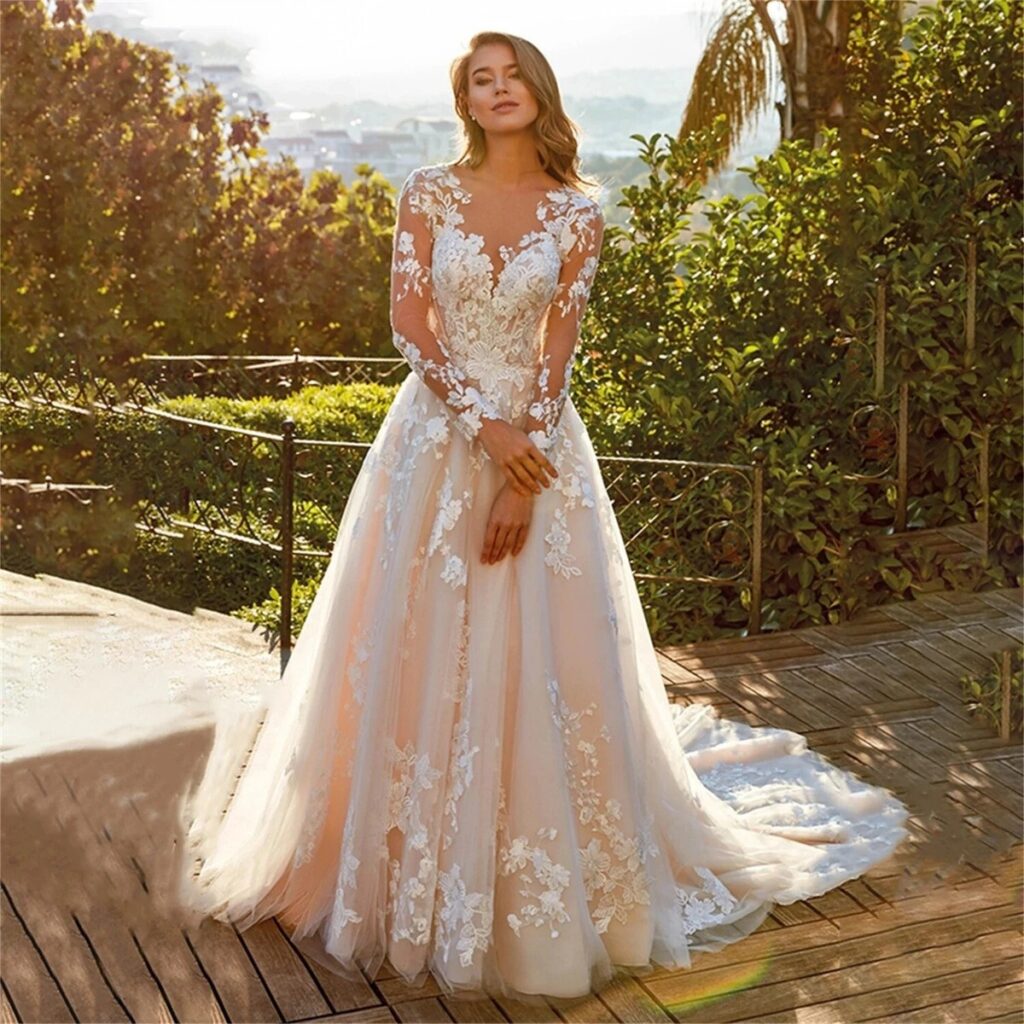
Sleeves remain popular, but they are becoming lighter and more intentional. Detachable sleeves are everywhere for 2026, giving brides flexibility from ceremony to reception. Sheer long sleeves with minimal embellishment, soft flutter sleeves, and delicate cap sleeves offer coverage without heaviness. This trend speaks to a larger desire for adaptability, allowing one dress to carry multiple moods throughout the day.
Color is another area where 2026 stands apart. While ivory and white remain staples, designers are expanding the palette with soft champagne, warm almond, barely there blush tones and silver. These hues add warmth to the complexion and pair beautifully with outdoor venues and evening lighting. Brides who once felt boxed into a single shade now have options that still read as bridal but feel more personal.
Detail work in 2026 is refined and meaningful. Lace is still present, but it is more architectural than ornate. Instead of heavy floral patterns, designers are using lace as texture, placing it thoughtfully to highlight shape and movement. Hand sewn elements, like subtle embroidery or fabric covered buttons, add interest without overwhelming the gown. This trend reflects a broader appreciation for craftsmanship and the hands behind the dress.
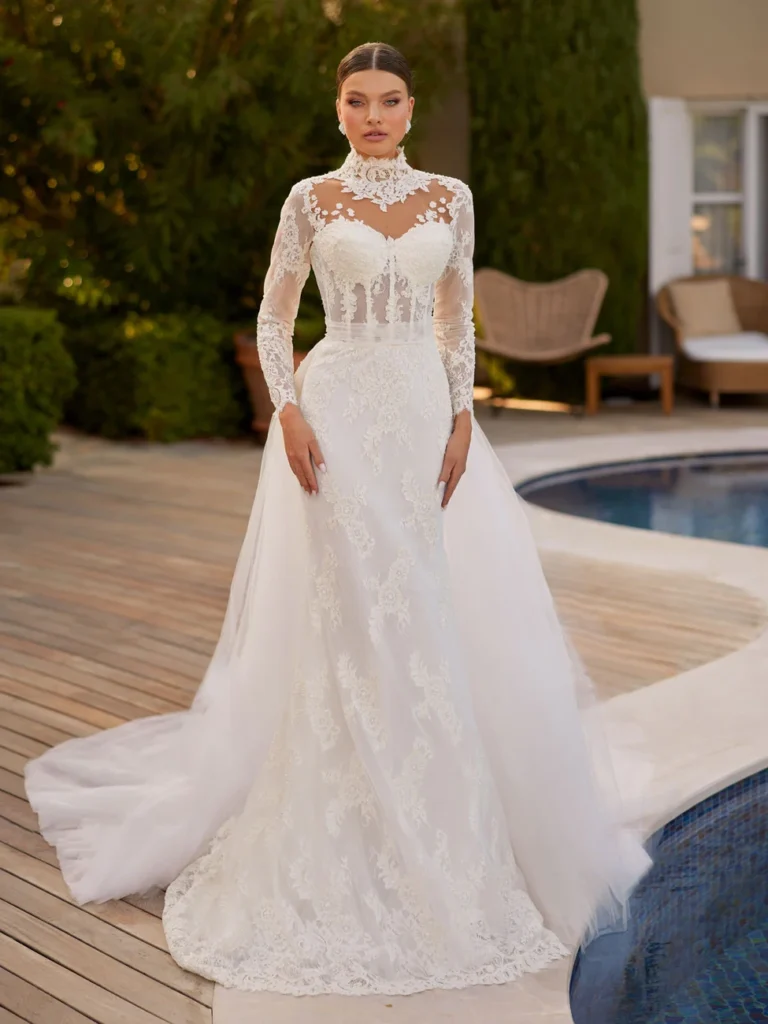
For brides who value versatility, two piece looks and overskirts are gaining ground. A simple fitted dress paired with a removable skirt creates drama for the ceremony and ease for the celebration that follows. This approach allows brides to invest in one well-made base gown while still achieving a layered look that feels special and intentional.
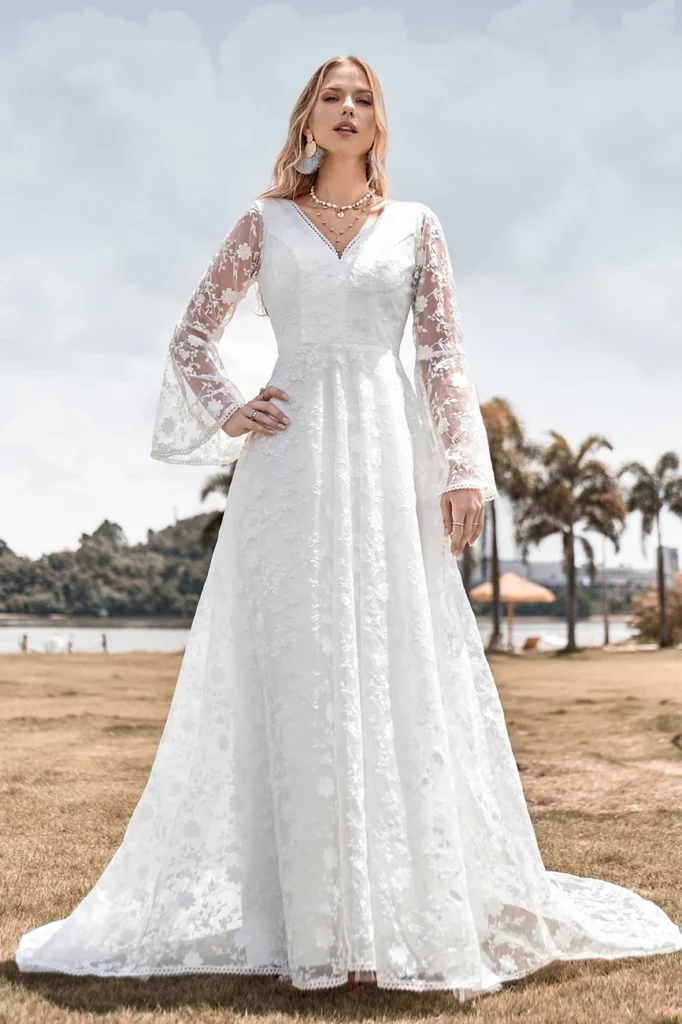
Expert bridal stylists are also advising brides to think about their venue and season more carefully than ever. A 2026 trend is choosing a dress that works with the environment rather than competing with it. Lightweight fabrics for summer weddings, sleeves or higher necklines for cooler months, and trains that suit the space are all part of a smarter, more thoughtful approach to gown selection.
The final takeaway for 2026 is confidence through simplicity. These dresses are not about excess. They are about clarity, comfort, and personal style. Brides are choosing gowns that reflect who they are and how they want to feel, not just how they want to look. That sense of ease and intention is what will define the most memorable wedding dresses of the year ahead.


