



Bonei Yisrael Was Inevitable
Zachary (Isaac) Levi
Most serious movements don’t begin with press releases or ribbon cuttings. They begin quietly, with people who understand that waiting is no longer an option. Bonei Yisrael began in a garage. That detail matters.




During Purim 2023, Saul Ancona and Michael Kraiem were sitting together studying Torah. There was no agenda. No whiteboard. No planning document. Eretz Yisrael surfaced naturally, as it always does when the conversation is serious enough. The question that followed was not emotional, and it was not rhetorical: Where is the community actually going?
What came next was not inspiration without consequence. It was commitment. A shared decision to build, rather than admire. To approach Eretz Yisrael not as a slogan or a trend, but as a mitzvah rooted in the Torah, because mitzvot are not symbolic gestures. They are obligations that move history forward.
They were not debating whether Israel mattered. That question had already been answered. What remained unresolved, and urgent, was something far more demanding: What are we actually building? The answer to that question is Bonei Yisrael.
For decades, Aliyah (immigration to Israel) was spoken about with reverence, but rarely with urgency. Bonei Yisrael reframes the conversation entirely. We exist because the old model no longer works. This is not about inspiration. It is about infrastructure, about turning conviction into a concrete plan.




What is Bonei Yisrael
Bonei Yisrael serves as a liaison to communities in Israel already taking shape for the Syrian Jewish community, places that understand something essential: continuity does not happen by accident. It is designed. But Bonei Yisrael does not stop there. The aim is not to attach ourselves to what already exists. The aim is to build what comes next.
Bonei Yisrael is working to establish a dedicated space in Eretz Yisrael, not a single building, but a comprehensive environment: homes, schools, synagogues, and the infrastructure required to sustain them. Not a retreat. Not an experiment. An extension of what has worked in Brooklyn and Deal, carried forward deliberately and built to last. That distinction matters. Because this is not about relocation. It is about rootedness.
Relocation asks where people can live. Rootedness asks what a community chooses to preserve, and what it is prepared to leave behind.
Rising costs. Public leadership that no longer governs with clarity or confidence. Institutions that have grown comfortable misunderstanding the communities they serve. An environment in which antisemitism is no longer an anomaly, but a statistic.
These are not grievances. They are signals. And communities that know how to read signals do not wait for conditions to improve. They act before hesitation becomes habit. A community that builds its own space is not asking permission to belong. It is declaring permanence. It is stating, quietly and firmly, that it understands where history is moving and intends to arrive there together.
“We’ll do the work. You decide when to step in.”
Under the leadership of Michael Kraiem and Saul Ancona, Bonei Yisrael has moved from idea to momentum with uncommon speed. Around them is a group of individuals who understand that vision only matters when it is translated into action.
Isaac Zaccai is planning Bonei Yisrael’s pilot trip in 2026, setting the foundation for what comes next. Michael H. Mamiye opened his home as Bonei Yisrael’s operational base, hosting meetings and early gatherings. Albert Mizrahi is setting creative direction and cultural tone, shaping how the vision is experienced, not just explained. Jack Srour leads the Matobu Project, advancing large-scale development in Eretz Yisrael (Land of Israel) and opening resources to move the initiative forward. Sammy Saka, part of the Matobu Project, who is instrumental in transforming Jewish life and community in Deal, NJ, is bringing his real-world development expertise. Erez is on the ground in Israel, identifying and evaluating viable locations for the community. Zachary (Isaac) Levi handles public relations and communications for the initiative.
Bonot Yisrael (Women’s Division)
Bonot Yisrael, headed by Sophia Shabot, Marsha Zakay, Hannah Elmekias, and Roz Levy, is not an auxiliary effort. It is a parallel leadership track focused on family life, education, culture, and the social fabric that determines whether a community merely exists or actually thrives. These are not symbolic roles. They are functional ones. Together, this group is building a framework for young families, one that allows Aliyah (immigration to Israel) to unfold not as a disruption, but as an upgrade: a vibrant Syrian Jewish community in Eretz Yisrael, designed to improve quality of life while preserving everything that matters.
The First Event
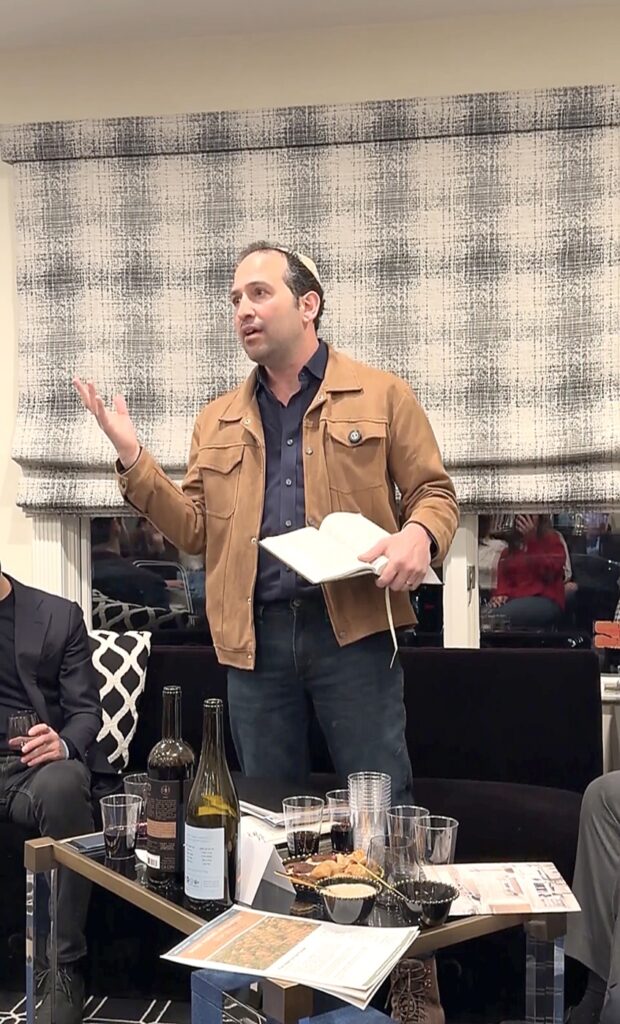
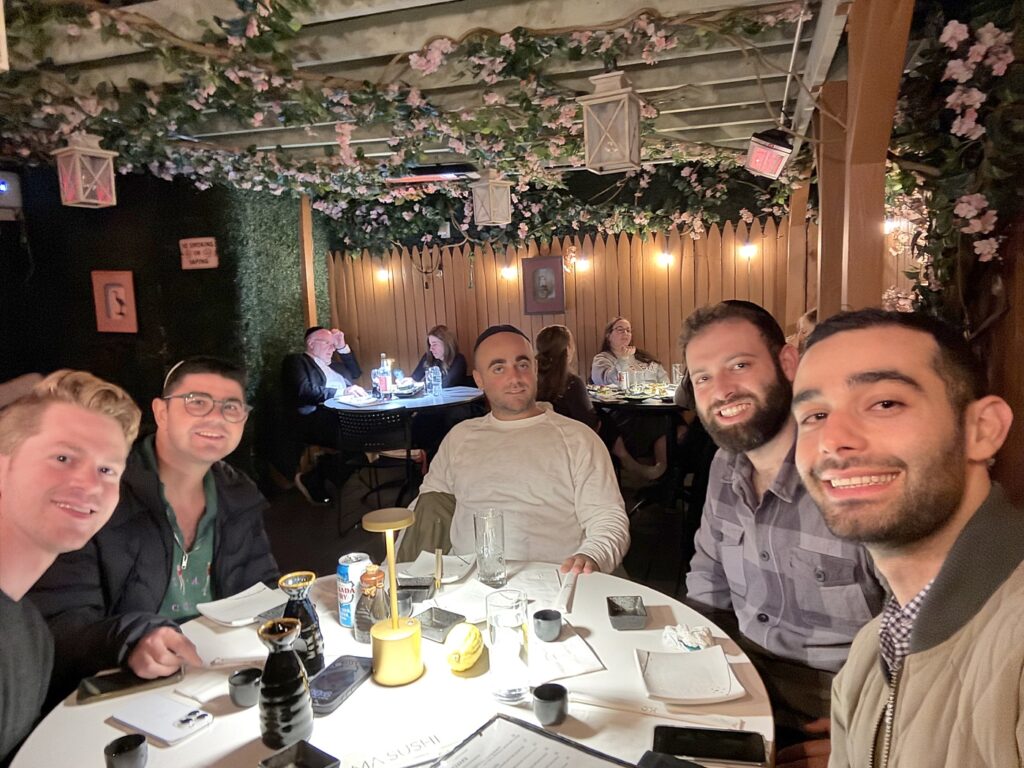
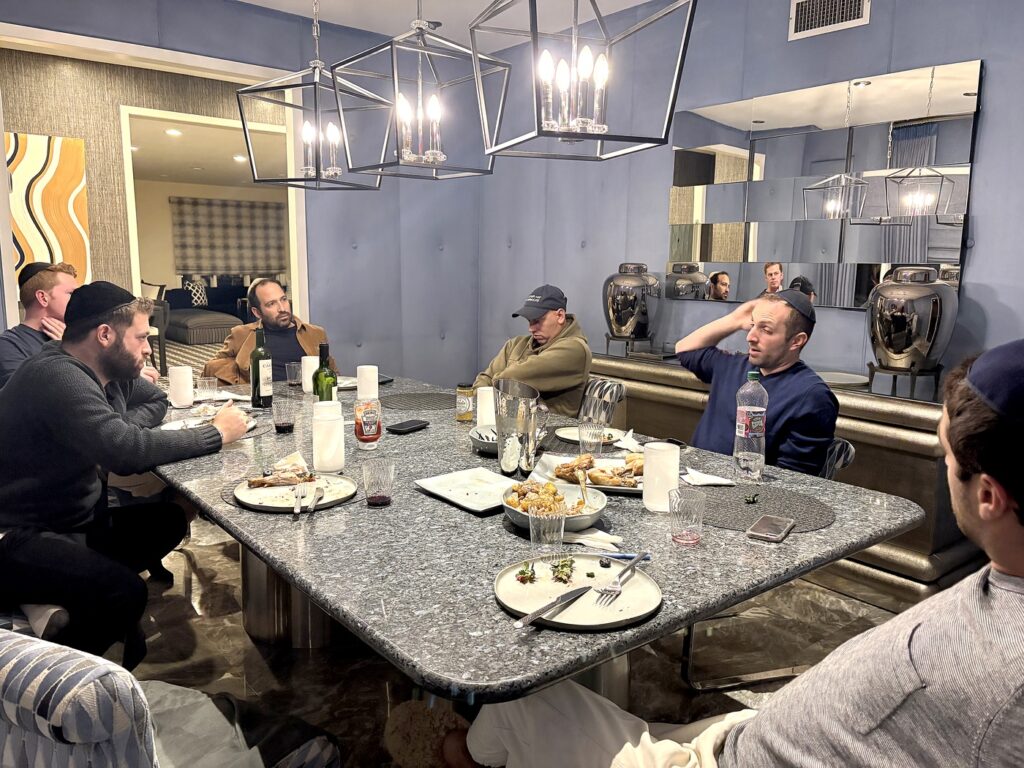
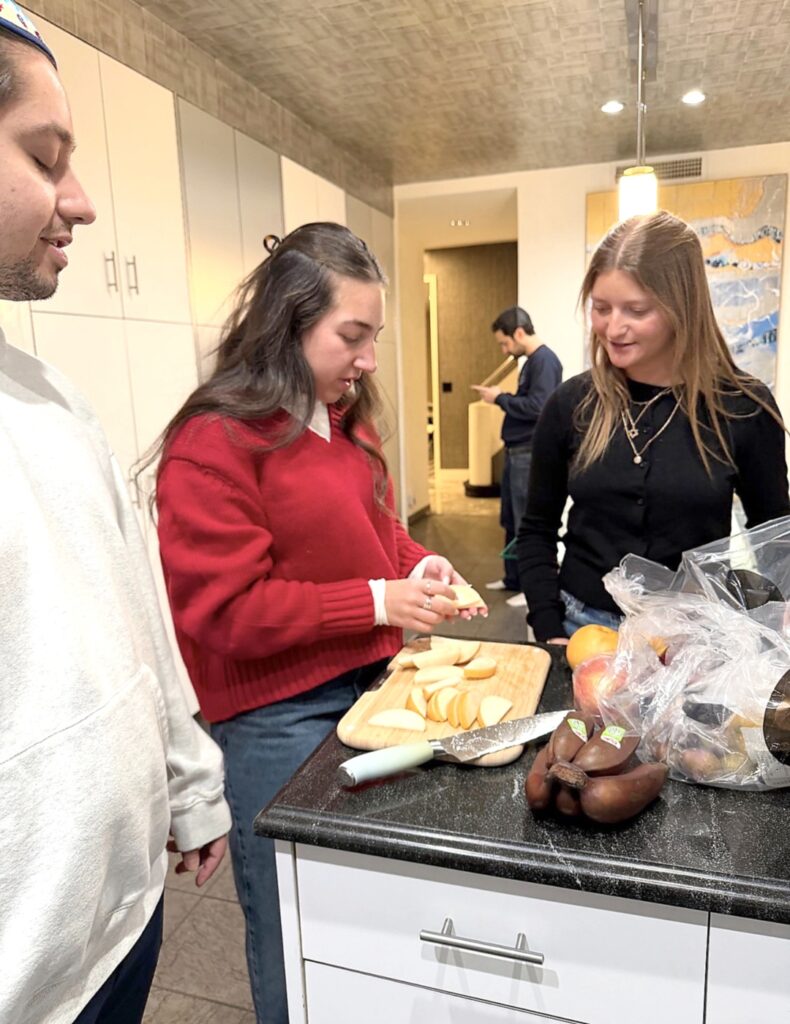
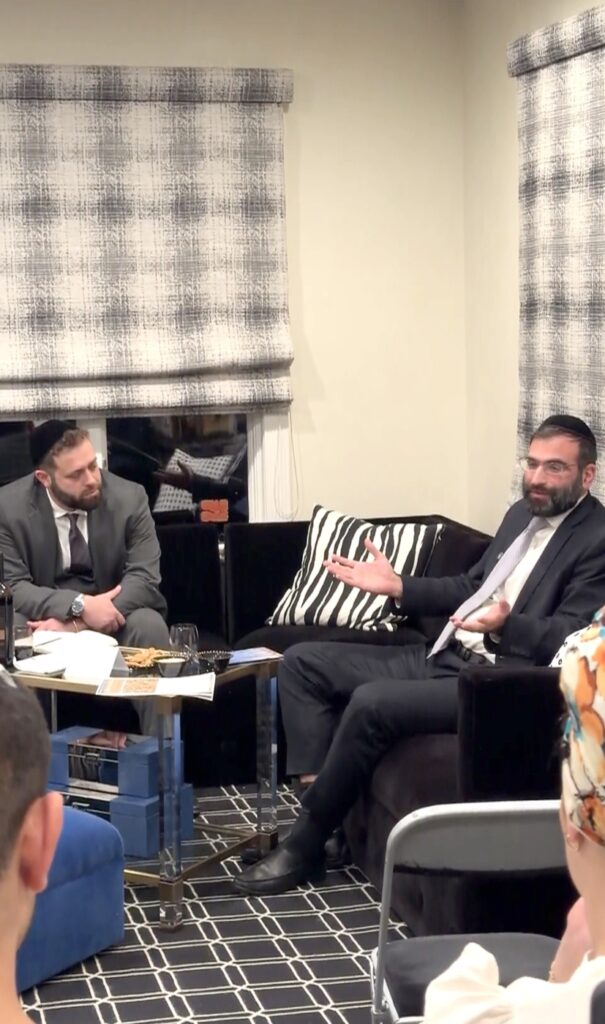
The first Bonei Yisrael event was not flashy. It wasn’t meant to be. Tu BiShvat. New fruit. Shared tables. Conversations about settling in Israel that were sober, practical, and quietly electric. No speeches designed to persuade. No slogans designed to sell. Just people confronting the same truth together. The kind of gathering where people leave changed, not because they were convinced, but because something finally made sense. That is how real movements announce themselves. They don’t shout. They organize.
Why This Matters Now
History does not announce its turning points. It reveals them later. Bonei Yisrael exists because the Jewish future cannot be left to inertia. Because communities that last are the ones that build, deliberately, patiently, and together.
What Bonei Yisrael understands, instinctively, is that communities do not drift into permanence. They decide. They plan. They commit. Every generation is tested not by what it believes, but by what it builds. The question is no longer whether Israel is central to Jewish life. That debate is over. The question is whether we are prepared to align our infrastructure with our convictions. Bonei Yisrael answers that question clearly. Not with slogans. With structure.
This initiative is not asking people to leap blindly. It is offering something far more compelling: a place to stand. And once people have that, movement becomes inevitable. The real question is no longer whether Bonei Yisrael will grow. The real question is whether Brooklyn was ever meant to be the end goal?


