

The Power of the “Lady Bird Deed”
Ben G. Matsas
For many people, a home or condo in Florida is more than just a place to live. It often represents long-term planning, stability, and what they hope to pass on to the next generation. In Florida, transferring real estate after death can involve the probate process, which is widely known for delays, costs, and administrative complexity.
One legal mechanism often discussed in this context is the “Lady Bird Deed,” a form of property ownership used in Florida that is designed to allow real estate to transfer upon death, outside of probate.
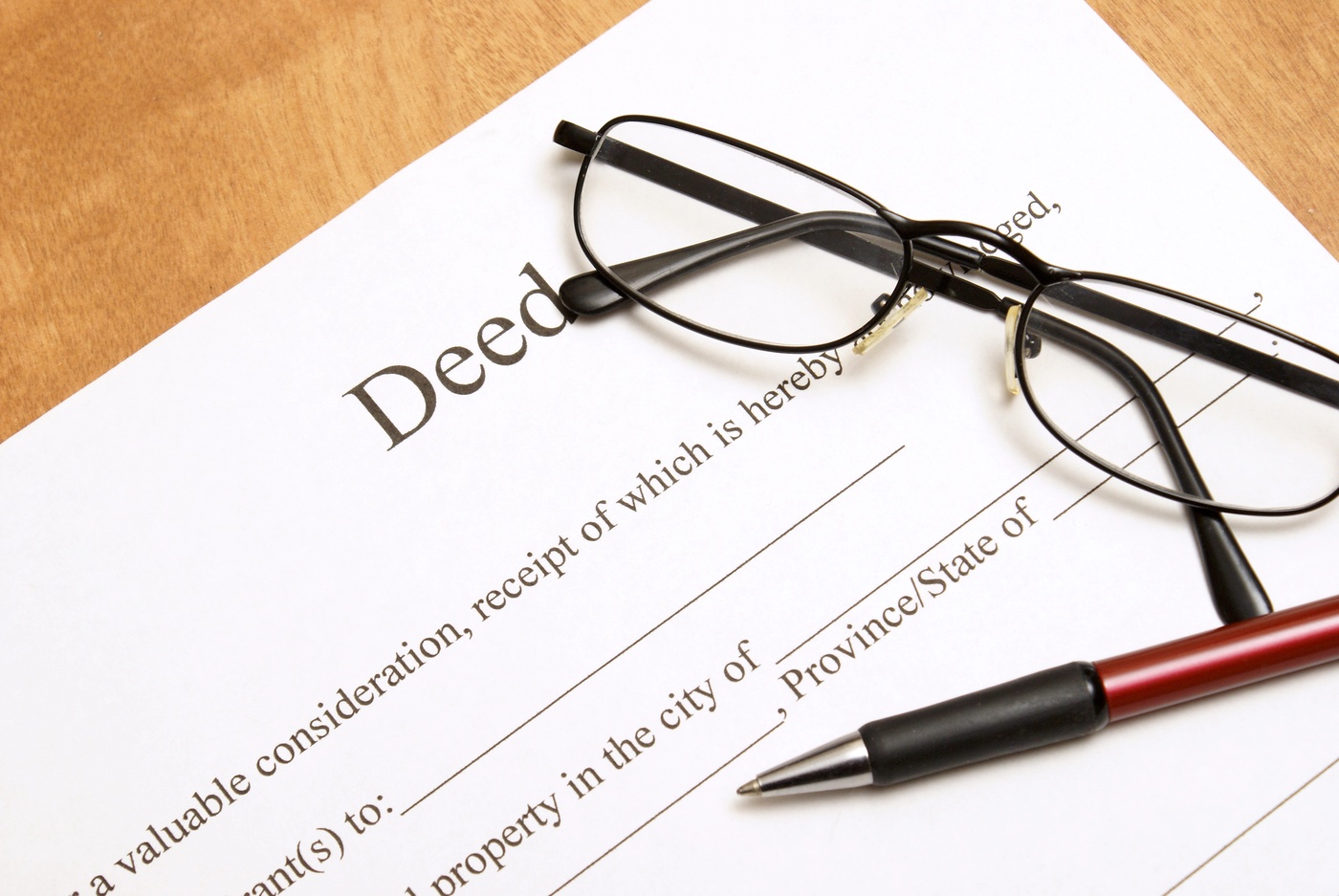
Officially called an Enhanced Life Estate Deed, this type of deed is used to let a property owner name beneficiaries who typically receive ownership at death, while the owner generally retains ownership rights during their lifetime. Traditional life estate deeds have existed for many years, but Florida is one of the limited number of states that recognizes the enhanced version, which differs in how much control the owner is commonly understood to keep.
Why the “Lady Bird” Name?
The nickname is commonly attributed to President Lyndon B. Johnson, who reportedly used a similar ownership structure when transferring property to his wife, First Lady Claudia “Lady Bird” Johnson. Over time, the informal name became widely used to distinguish this type of deed from standard life estate arrangements.
Commonly Discussed Features
Maintaining Control
Under a Lady Bird Deed, the property owner is commonly understood to keep the ability to sell, refinance, or mortgage the property during their lifetime. Beneficiaries named in the deed generally do not have ownership rights until the owner’s death, meaning the owner’s day-to-day control of the property is not affected while alive.
Probate Avoidance
Because ownership transfers at death, property held under a Lady Bird Deed is commonly described as avoiding the Florida probate process. This characteristic is often discussed in general explanations of estate planning concepts used in the state.
Medicaid Related Discussions
Lady Bird Deeds are frequently mentioned in discussions involving long-term care and Medicaid. In Florida, this type of deed is generally described as not being treated as a completed gift for Medicaid eligibility purposes, and property that transfers outside of probate may be treated differently for Medicaid estate recovery purposes. How these rules apply can depend on individual facts and current regulations.
Homestead Treatment
Property owners are generally described as retaining their Florida Homestead Exemption and Save Our Homes assessment limitations while holding title under a Lady Bird Deed, since ownership does not change during their lifetime.
Tax Treatment at Death
Informational sources often note that when property transfers at death, federal tax rules may treat the transfer as occurring at the property’s fair market value at that time. This concept, commonly referred to as a step up in basis, may affect how capital gains are calculated if the property is later sold.
General Considerations
For Florida condo owners and homeowners, the Lady Bird Deed is one of several concepts commonly discussed when learning about property transfers, probate avoidance, and estate planning topics. Whether it is relevant in a particular situation depends on personal circumstances, current law, and individual goals.
For general information and document preparation services related to Lady Bird Deeds, visit www.libertyfiling.com.


