

Life in Israel Was Meant to Be
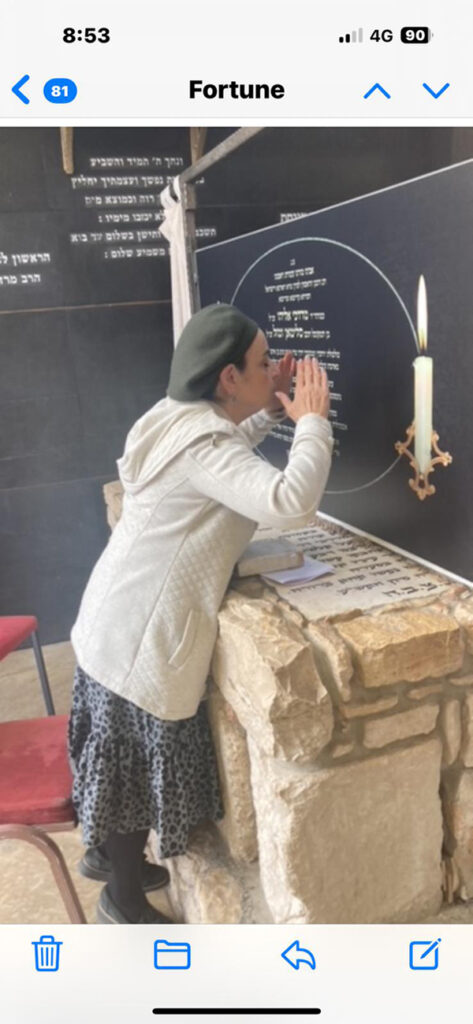
She saved her babysitting money for a whole year to take a teen trip to Israel. It was summer, and very hot. Tuni Betesh visited the Kotel and placed her cheek on the cool stone wall. She felt a strong urge rushing through her body and felt she should be living in Israel. At that moment, Tuni knew she wanted to come back. “I feel gifted and special to have that zachut,” said Tuni.

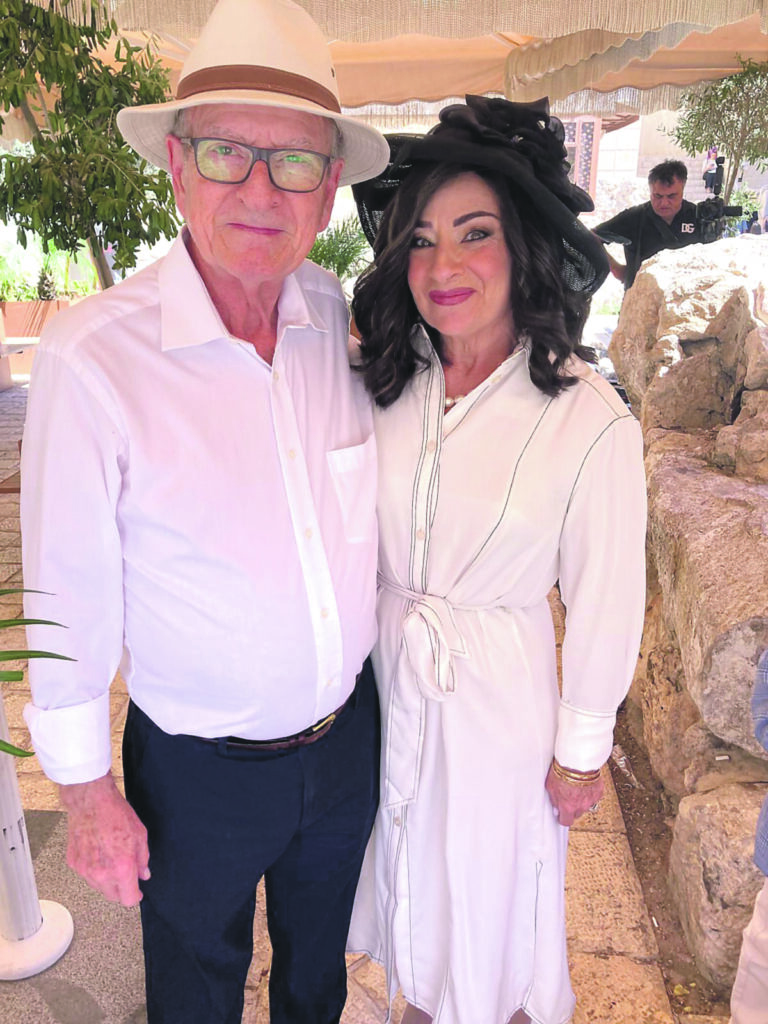
Tuni Cohen, nee Betesh, was married about six years when she moved to Israeli with her Israeli-born husband Jacob. The youngest of three children of David and Esther Betesh (nee Jemal), Tuni was a child of the community.
Meeting Jacob was bashert. After his army service, Jacob came to New York and stayed with Dave E. a”h and Regina Cohen a”h, Jacob’s father’s cousins. It was Regina who suggested the couple meet in October 1985. The couple hit it off and began dating. A few weeks later, the Cohens had a family wedding and Jacob, not knowing the social implications, asked Tuni to join him as his plus one. The couple was engaged in January and married just before Passover 1986. Tuni and Jacob moved in 1991, with their four sons – twins Shaul and David, Jamie a”h, and Aaron. Their daughter Rachelee was born in Israel.
Jacob is an only child and when he decided to live in New York, his parents joined them. Dave E. Cohen had been to Israel and walked into the Cohen store on Allenby Street and immediately recognized his cousins.
Jacob’s parents developed real estate in Israel and began the same business in New York. But after 12 years, they wanted to go back to Israel and tend to their business there. Jacob and Tuni decided to go as well as he was needed in the family business.
It was a difficult adjustment for her and the children. The twins were six, Jamie was five, and Aaron was seven months old. They started in Rishon Leshion and planned on staying one year to try it out. They ended up settling in Harnof, a neighborhood of Jerusalem.
“I came from a Syrian environment, and it took a while for us to find a synagogue close enough that we felt comfortable in. The boys went to a religious school, but one that allowed for Army service,” she said. “All my children served in the Israeli Defense Forces and were in elite units. Rachelee is the sabra of the family, as she was born in Israel.”
Tuni believes that Hashem meant for her to live in Israel and that the family benefits from his plan. Her son Aaron lives in the south on a moshav by Gaza. When the October 7 attack happened, they were sent to a safe room. Sirens are a frequent occurrence near Gaza but on that day, the sirens went off with unusual frequency.
As it happened, Aaron’s daughter was diagnosed with cancer and was scheduled for surgery to remove her kidney on October 8. At the same time, his wife, who is a nurse, was eight months pregnant. They had two other children, ages three and 18 months. They were told not to leave, that Hamas was close by and it was unsafe. They had to keep their phones with them and turned on for the notifications.
Hamas was headed for the moshav when an IDF helicopter flew overhead, was shot down and landed near the moshav. The soldiers all survived and were able to kill the Hamas attackers and save the moshav.
On October 8, the day after the attack, Aaron knew he had to get his daughter to the hospital for the scheduled surgery. The IDF soldiers did not want them to leave, so they took their lives in their hands, trusted in Hashem, and got to the hospital safely.
After the attacks, most people in the south were relocated to hotels and stayed whole families in one room. After the surgery, his daughter needed chemotherapy and other treatments. Luckily a community member allowed them use of their home in Tel Aviv. Aaron’s wife gave birth to a son and they had a brit milah. Eight months later, they were able to move back to the moshav. Unfortunately, there was cancer in the child’s other kidney as well. The family decided to go to New York for treatment at Memorial Sloane Kettering Hospital where she had stem cell treatment and is now recuperating. “If my son didn’t have to be with his daughter that day, he would have been in combat,” said Tuni. “My granddaughter’s illness, terrible as it was, saved his life.”
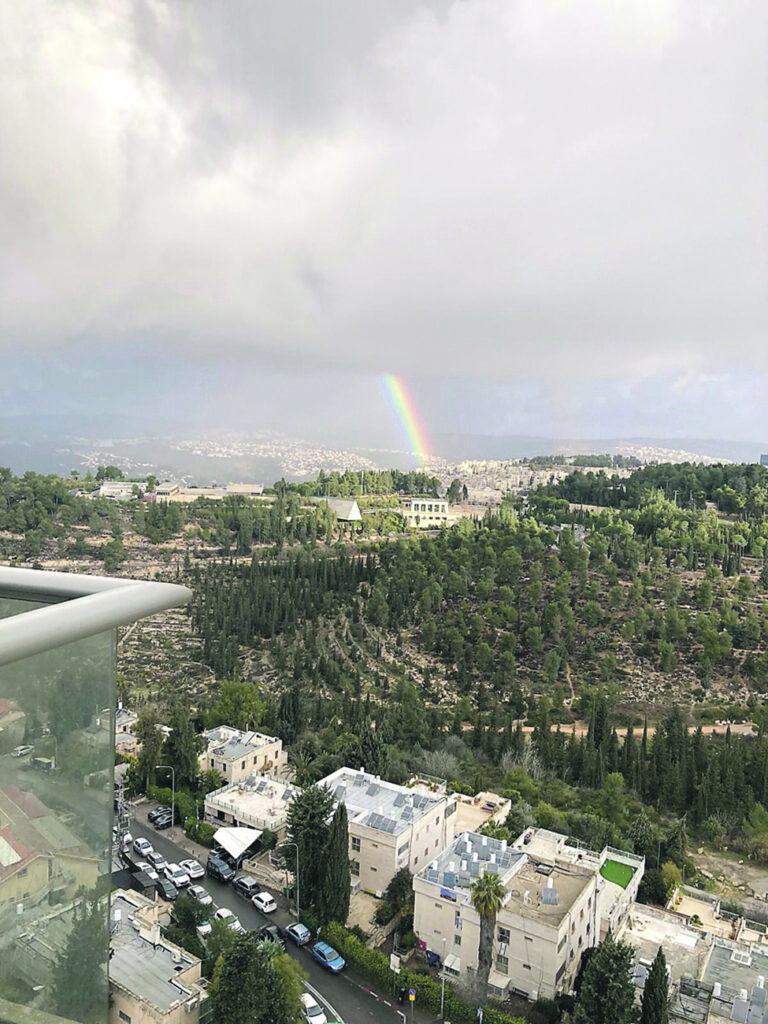
Tuni is thankful and loves her life in Jerusalem. She works with preschool children and loves to exercise. She feels the exercise gives her the energy to run after the toddlers. She loves sitting on her patio, looking out over the hills of Jerusalem, seeing the thriving forests, the military cemetery and overlooking Yad Vashem.” I am surrounded by Israel’s history,” she said.
Sadly, they lost their son Jamie to a rare disease years ago. Tuni traveled extensively with her Jamie a”h for surgeries and treatments to Belgium, Arizona, Florida, Iowa, and to the National Institutes of Health in Bethesda where they participated in a clinical study. On each visit, she spent a few days in Brooklyn, catching up with family and friends. Despite the distance, Tuni is still close to all her relatives and childhood friends. Often people also came to Israel to visit or for a bar mitzvah.
Tuni still has trouble with her Hebrew language skills and does not think she is fluent, although she gets by. Her children all speak Hebrew and English, and her husband Jacob is also fluent in Arabic. Their children are all accomplished professionals. Tuni and Jacob are proud grandparents.