


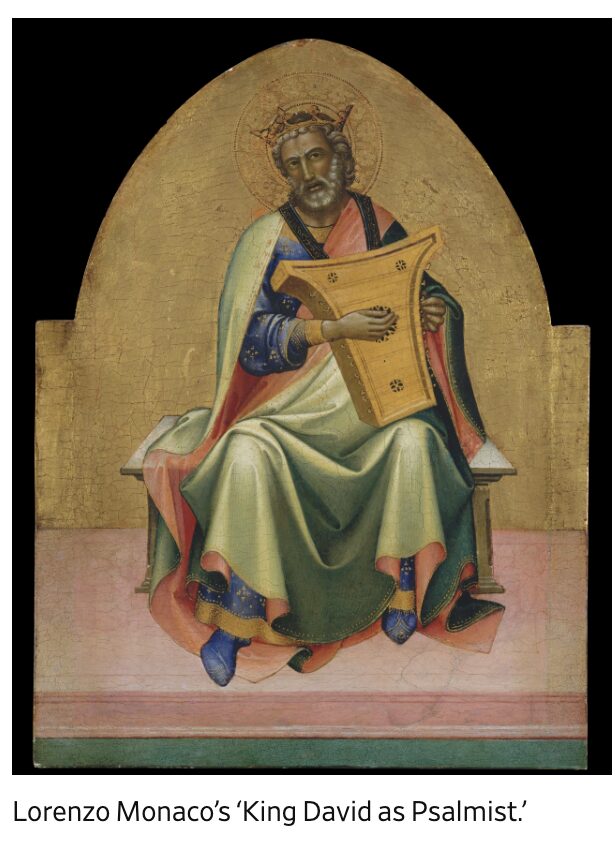
Sing a New Song: The Psalms in Medieval Art and Life
Natalie Senior Greenberg

The Morgan Library & Museum in New York City has unveiled a fascinating new exhibit dedicated to the Book of Psalms and the art of illuminated manuscripts. This exhibition offers visitors a rare opportunity to explore the intricate beauty, religious significance, and historical context of some of the world’s most remarkable medieval artworks. The exhibit underscores the enduring power of Tehillim and the creative genius of the scribes and artists who brought these sacred texts to life.

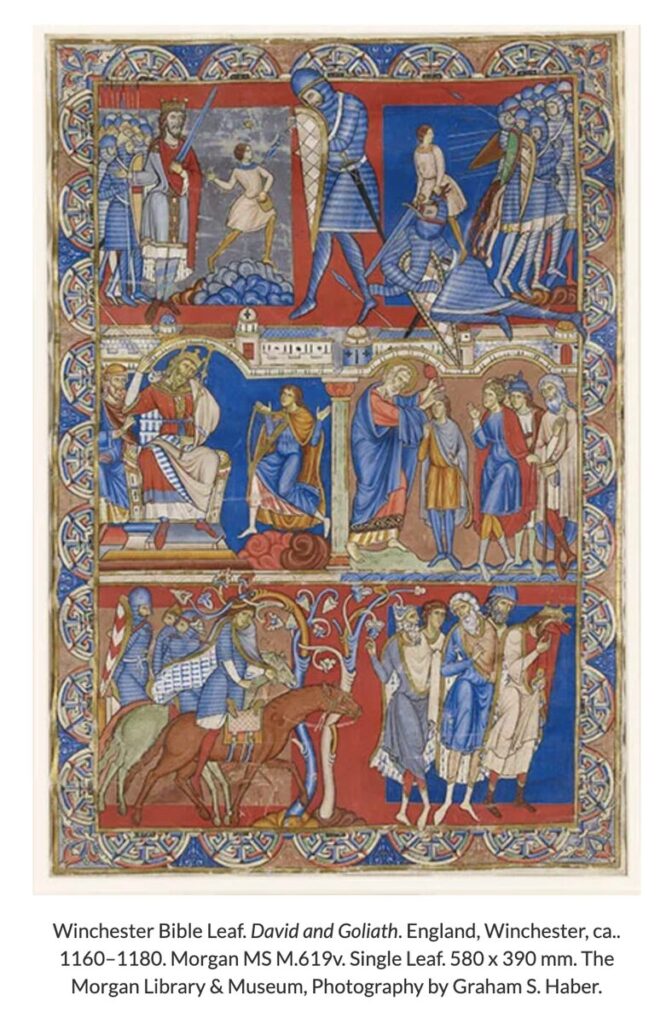
Graham S. Haber.

Tehillim is the Hebrew name for the Book of Psalms, which translates to “praises.” It consists of 150 poems or chapters. These psalms are songs of praise, lament, gratitude, and supplication to Hashem, used in both joyous and desperate times. In medieval Europe, during the 12th to 14th centuries, these texts were not only read and recited but were also lavishly decorated, forming part of personal prayer books.
The Morgan Library’s exhibit centers around illuminated manuscripts, the handwritten books adorned with gold leaf, vibrant pigments, and intricate illustrations. These manuscripts were created by skilled artisans working in scriptoria, or writing rooms, set aside for the writing, copying, and illumination of manuscripts. Each page is a testament to painstaking labor and artistic vision, featuring elaborate initial letters, border decorations, and miniature paintings that interpret the Psalms’ themes. The illumination of Psalms served both aesthetic and devotional purposes. Gold and rich colors reflected the heavenly realm, while images of biblical figures and scenes helped readers visualize the stories and prayers.
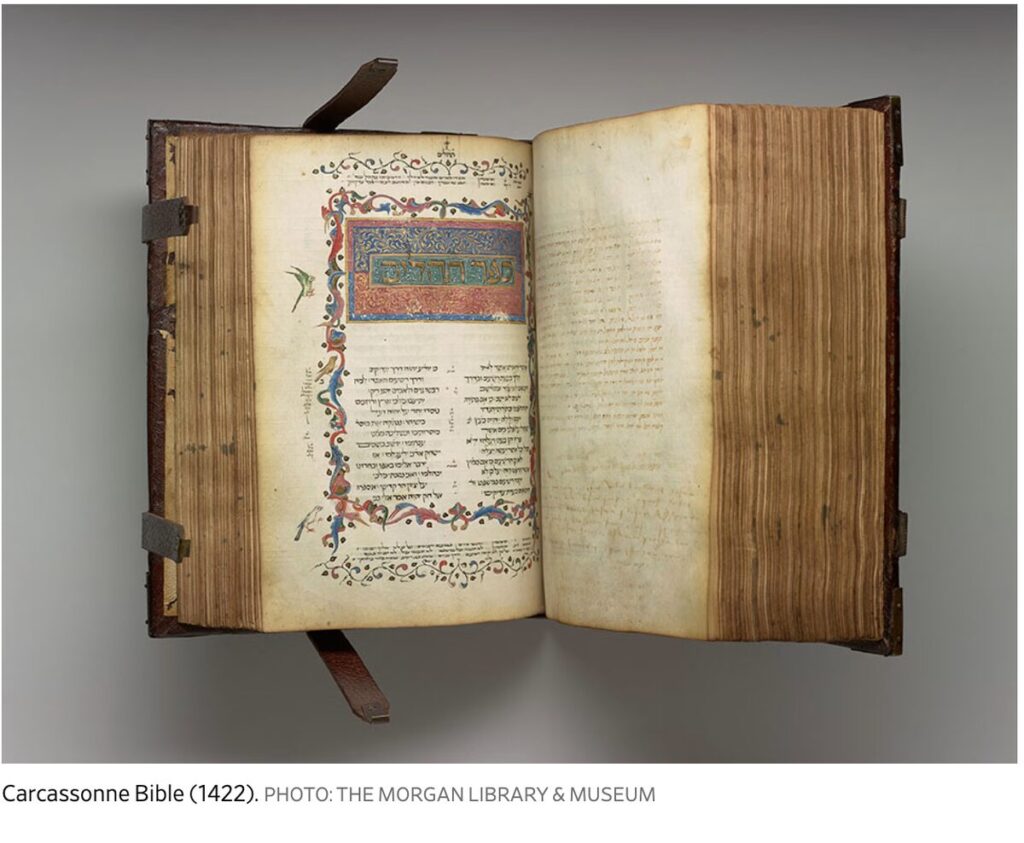
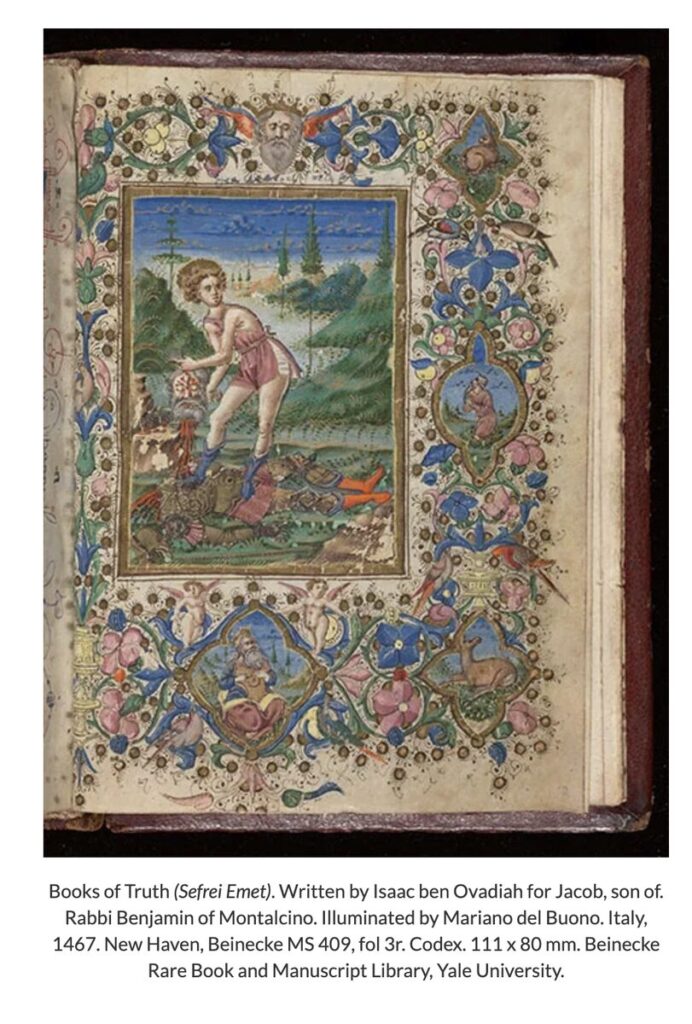
The show begins with the exquisite Carcassonne Bible made in Avignon in 1422 for a Jewish physician. On display is the introductory page to the Book of Psalms. “Tehillim” is embellished in gold letters and surrounded by decorative stripes of green, blue, and red. The borders are highly decorated with ribbons, flowers, and birds. Due to religious persecution and censorship, few Hebrew manuscripts from this era have survived, but fortunately we are able to view another rare example from Bologna, Italy. King David, who composed and compiled the Book of Psalms, is frequently depicted in the manuscripts as a wise elder, wearing a gold crown and holding a harp.
Visitors can also view medieval Psalters from the Morgan’s renowned collection, some dating back to the 12th century. Not all are Hebrew or Jewish, as non-Jews also used books of Psalms or Psalters. These books feature extraordinary examples of calligraphy and illuminated initials. Many of these Psalters include pages depicting scenes from the life of King David, as well as religious figures and scenes from other faiths and traditions, rendered in stunning detail. There are also interactive displays allowing guests to “turn” virtual pages and examine details up close, revealing techniques and materials used by medieval craftsmen.
The new exhibit at the Morgan Library & Museum is on display through January 4, 2026. Whether you are an art lover, a student of history, or simply curious about the spiritual and artistic heritage of the Psalms, this show offers a window into a world where beauty and devotion intertwine. Through its extraordinary collection and innovative displays, the exhibit honors the legacy of medieval scribes and illuminators, reminding us that art and faith have long been partners in the human quest for meaning.


