



How Mothers and Grandmothers Thoughtfully Coordinate a Modern Brit Milah
A brit milah is one of the most meaningful moments in a family’s life, and for many households, the planning is guided by mothers and grandmothers. They are the ones selecting the pillow, assembling the ceremony set, choosing the baby’s gown and kippah, and coordinating what will be worn by those entrusted with carrying the baby. In recent years, these decisions have become more deliberate. Families are thinking carefully about how each element works together, creating a setting that feels dignified, calm, and beautifully prepared.

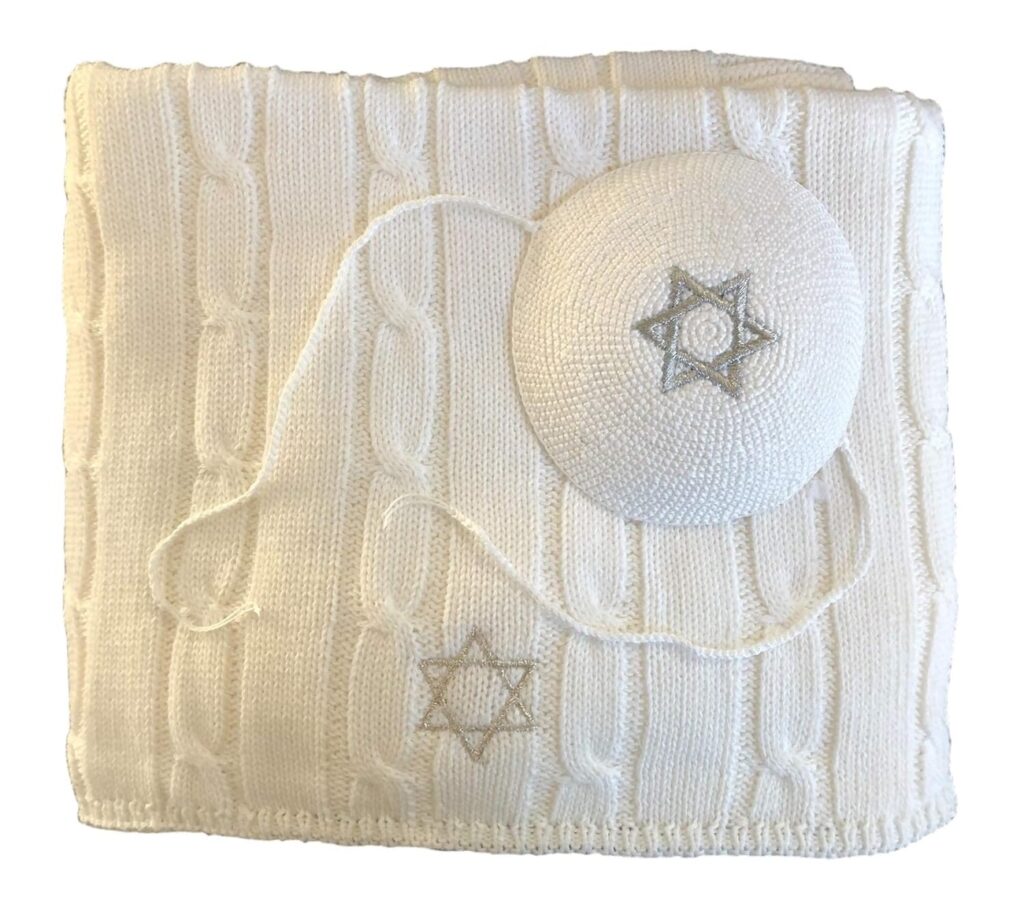

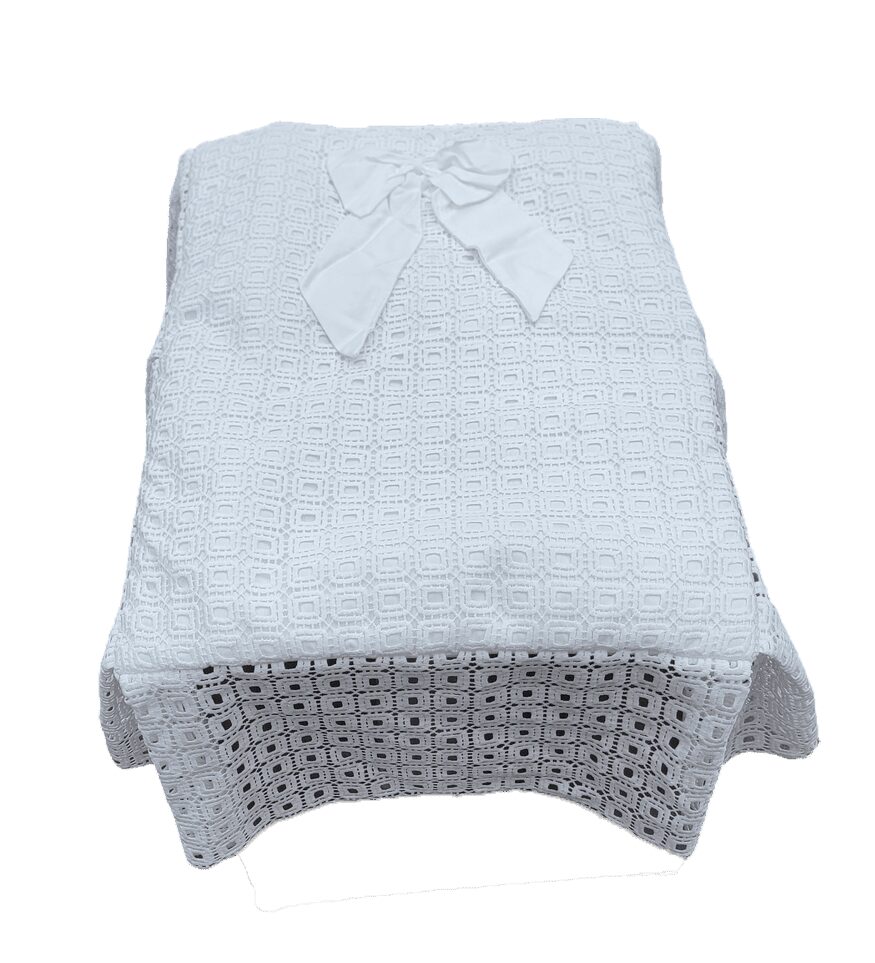

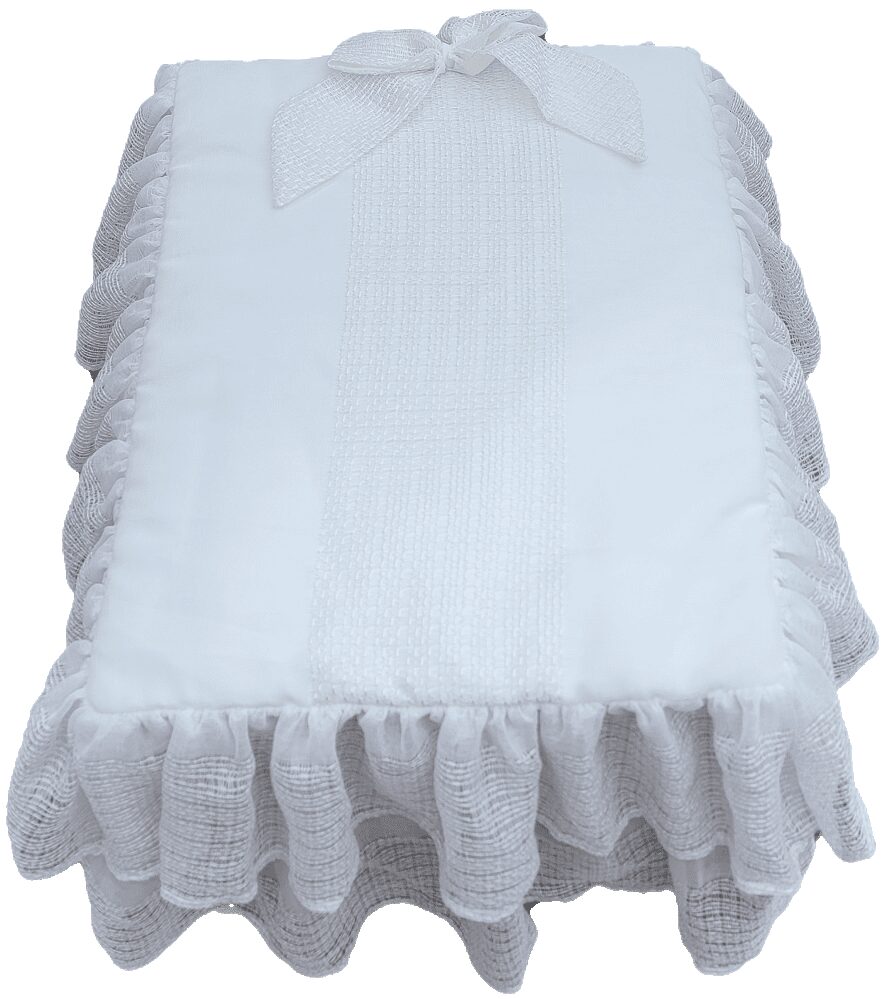
The process often begins with the brit milah pillow. While white remains timeless, many families are drawn to softer neutral tones that add warmth and depth. Ivory, cream, champagne, and pale stone are especially popular choices. These shades feel refined without drawing attention to themselves and work seamlessly in both synagogue and home settings. Beyond color, quality matters. A well-made pillow should feel substantial and balanced, offering secure support while maintaining a clean, elegant appearance. Fine stitching, thoughtful proportions, and restrained Hebrew embroidery signal craftsmanship that will stand the test of time.
Once the pillow is chosen, the rest of the ceremony pieces naturally follow. Mothers and grandmothers often coordinate the chair of Eliyahu HaNavi cover and wine cover to complement the pillow rather than mirror it exactly. Consistency in tone creates a cohesive look, while subtle variations in texture keep the overall effect layered and interesting. When the ceremony is held at home, many families also consider how these items will sit within the space, choosing pieces that feel aligned with the surrounding decor.
The baby’s gown is another detail receiving careful attention. Traditionally white or ivory, gowns today are chosen for their fabric, drape, and balance. Soft cottons and lightweight blends that move gently and feel comfortable are favored, especially since the baby may be held by several people throughout the ceremony. Length and weight matter. A gown that falls cleanly without excess fabric feels polished and well proportioned. Many families look for a gown that quietly echoes the tones and textures of the pillow and ceremony set.
The baby’s kippah, once an afterthought, is now part of the overall vision. Families are selecting soft fabric kippot designed to stay in place and feel proportionate to the baby. Neutral shades, subtle embroidery, or a refined metallic accent add just enough detail to feel special without overpowering the look.
Deciding between ready-made and custom pieces is often a turning point. Ready-made brit milah sets offer ease and confidence. They provide a coordinated foundation and eliminate much of the guesswork, making them an appealing choice for families who value simplicity and reliability. These sets are also practical for reuse and can be shared among family members, allowing items to be passed from sibling to sibling or kept within the extended family for future britot.
Custom pieces offer a more hands-on option and are often chosen for their personal significance. Many mothers and grandmothers work with local needlepoint or embroidery shops to design a custom brit milah pillow or chair cover. Others take on the project themselves, creating something by hand that reflects care and intention. This approach allows for creativity while still keeping the design restrained and appropriate for repeated use. When done thoughtfully, these pieces carry a quiet uniqueness that comes from knowing a family member invested time and effort into making them.
Even with custom work, restraint remains important. Families often avoid overly specific colors or details so the items can be used again and shared across generations. In many homes, brit milah pieces become heirlooms, brought out for each new baby and associated with years of family memories. Choosing durable fabrics and timeless designs helps ensure these items age gracefully.
Head coverings remain an essential part of the overall look. Mothers often select a scarf or shawl ahead of time, choosing something that feels comfortable, secure, and refined, and that can later be worn for Shabbat or other simchas. Grandmothers, particularly those bringing the baby in and out, are increasingly included in the coordination. Related head coverings acknowledge their roles and create visual balance, adding to the sense that every detail has been considered.
A layered approach helps keep planning manageable. Starting with the pillow and ceremony set provides a foundation. Adding the baby’s gown and kippah builds the look. Finishing with head coverings for the mother and grandmothers completes the picture. This method keeps decisions focused and ensures each piece has purpose.
Long after the day itself, families often proudly display images from the brit milah in their homes, alongside other meaningful milestones. Choosing pieces with care and restraint allows them to serve not just one celebration, but many families and many years to come.


