



By Sarina Roffé
MORE THAN 150 RABBIS, REBBETZINS, COMMUNAL LEADERS, AND YOUNG PROFESSIONALS FROM A DOZEN COUNTRIES AND 13 U.S. STATES CONVERGED ON NEW YORK IN AUGUST FOR THE SECOND ANNUAL RABBINIC CONFERENCE HOSTED BY THE SEPHARDIC JEWISH BROTHERHOOD OF AMERICA, THE UJA FEDERATION, THE AMERICAN SEPHARDI FEDERATION AND THE HABURA, AS WELL AS INSTITUTIONAL AND COMMUNITY PARTNERS.
More than a conference, it was a critical forum for collaboration, thoughtful discussion, collective leadership, bringing together those committed to preserving, enriching, and advancing the Sephardic heritage in the modern world. The idea of the conference is to ensure a vibrant future for the Sephardic community and the Jewish people and that it be the beginning of something greater.

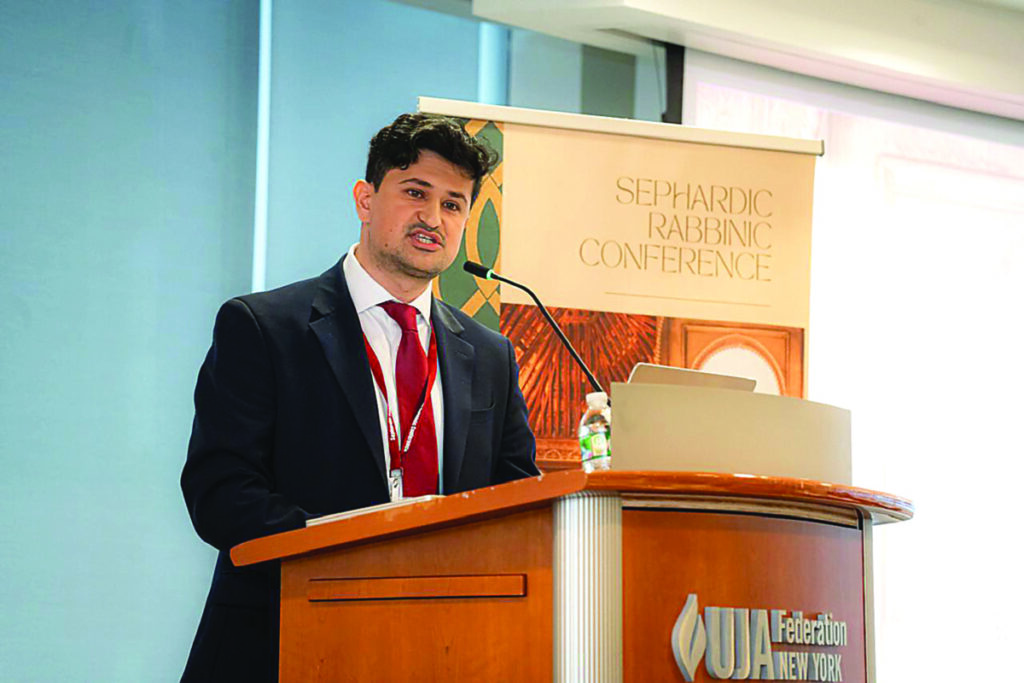
“Rabbinic leadership can sometimes be a very lonely responsibility. A rabbi is constantly expected to provide guidance, strength, answers, and support to others,” said Rabbi Gad Bouskilla. “It is therefore extremely valuable for rabbis themselves to have an opportunity to come together, exchange ideas, learn from respected colleagues and professionals, and strengthen one another. The conference also reminded us that despite the different traditions and backgrounds represented, we share the same fundamental responsibility, to strengthen Torah and Jewish life, to care for our communities, and to help ensure that the next generation remains connected to our heritage. I left the conference not only with new ideas, but also with a renewed sense of responsibility and inspiration for the work we are privileged to do.”
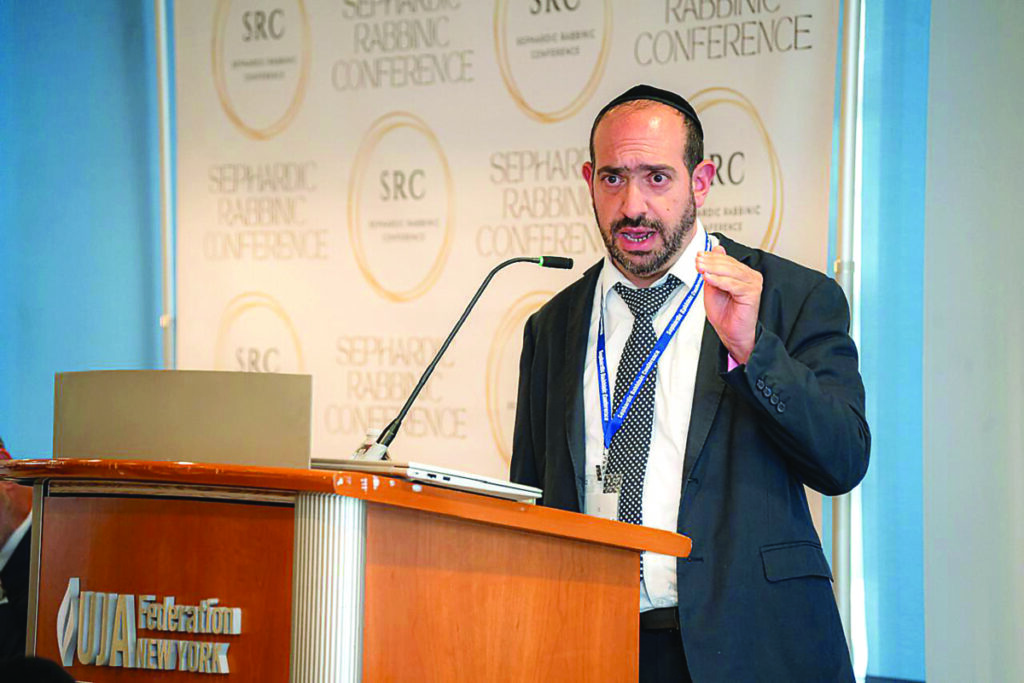
“One of the strongest messages was that a rabbi must not only look for answers in books but also learn to see through the eyes of his congregants, to understand their reality, emotions, needs, and personal circumstances,” said Rabbi Marcos Metta of the Monte Sinai Community and Director of Majón Torá VaDaat Monte Sinai of Mexico City. “As Rabbi David Bitton shared, the emotional memories of a child or young person serving as a chazzan, reading the Torah, and singing in the Beit Knesset can be stronger than any rational argument in protecting them from assimilation.”
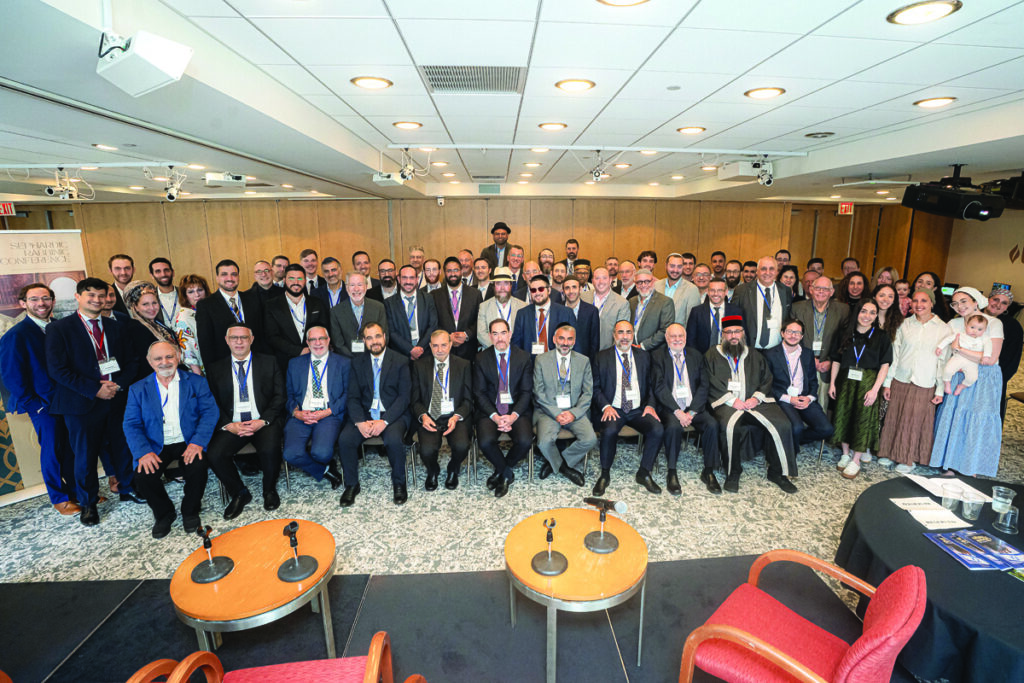
The theme of the conference was the “Art of Leadership,” focusing on the modern responsibilities and skills needed for rabbinic and community leadership. Addressing the needs of Sephardic communities within the Jewish institutional landscape traditionally shaped by Ashkenazi organizations has changed and rabbis need to be trained on how to address Sephardic communities within that context. Having an interchange where the rabbis can discuss issues pertinent to their communities provided a much-needed outlet and networking opportunities. Discussions centered around halachic authority, pastoral care, mental health, and building long-lasting diaspora institutions.
Ethan Marcus, Executive Director of Sephardic Brotherhood, said, “We wanted to create a serious space to address real challenges in education, rabbinic training, outreach and communal leadership. The goal was for each of us to leave with ideas and strategies and maybe even partnerships and projects and ways we can impact our local, national and international communities.”
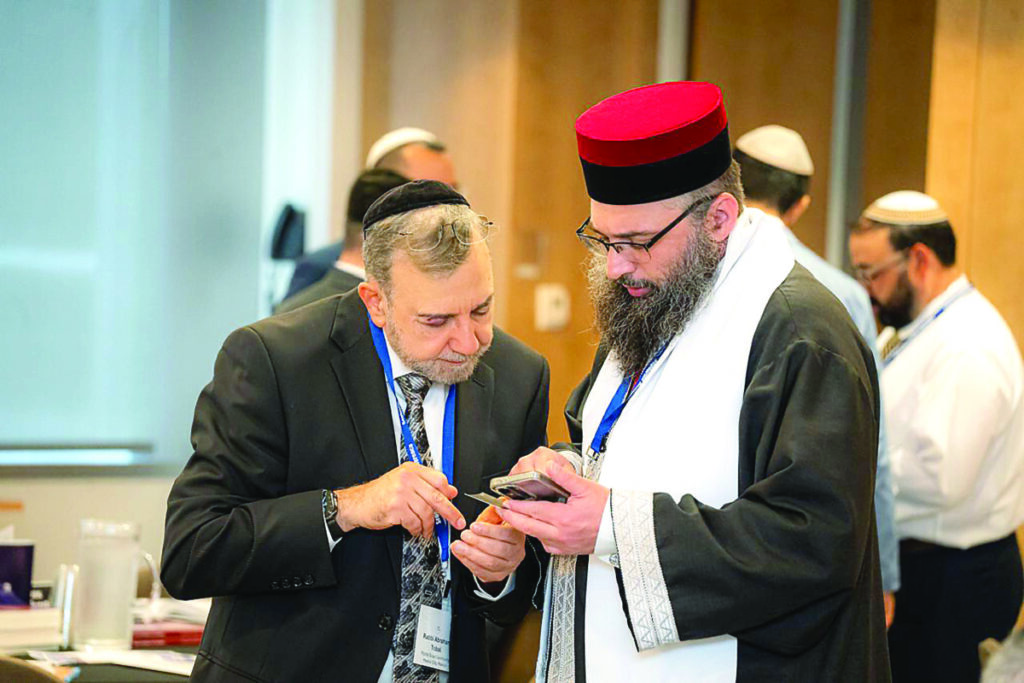
“We also emphasized the importance of accompanying every congregant while respecting their individuality and level of religious observance, creating a community where everyone can feel that they belong,” said Rabbi Metta. “We had the opportunity to learn about the projects and initiatives developed by rabbis in different kehillot, gaining new ideas and practical tools that can be adapted to our own communities.”
“The fact that we brought together so many like-minded rabbis and scholars in order to discuss Sephardic education the Sephardic way, something all of us here hold in common, is a tremendous opportunity,” said Rabbi Joe Dweck.
“One of my strongest takeaways was the importance of recognizing how multifaceted the role of a rabbi has become,” said Rabbi Gad Bouskilla. “A rabbi is, first and foremost, a spiritual leader and teacher of Torah, but today he is also called upon to be a counselor, educator, mediator, administrator, fundraiser, and community builder. The conference gave us an important opportunity to discuss how to balance these responsibilities while never losing sight of our primary mission, to inspire our communities through Torah, personal example, compassion, and genuine concern for every individual. Another important takeaway was how much rabbis can learn from one another. Although our communities may differ in background, size, and culture, many of the challenges we face are remarkably similar. Sharing experiences and practical ideas with colleagues was extremely valuable.”
“We are all different, but I think we are focusing on the big picture of what unites us, which is so much more than what separates us,” said Rabbi Yosef Bitton of Great Neck.
Rabbi Yamin Levy of Great Neck said, “To see the energy and the passion of these young rabbis getting together and sharing ideas, it’s fantastic.”
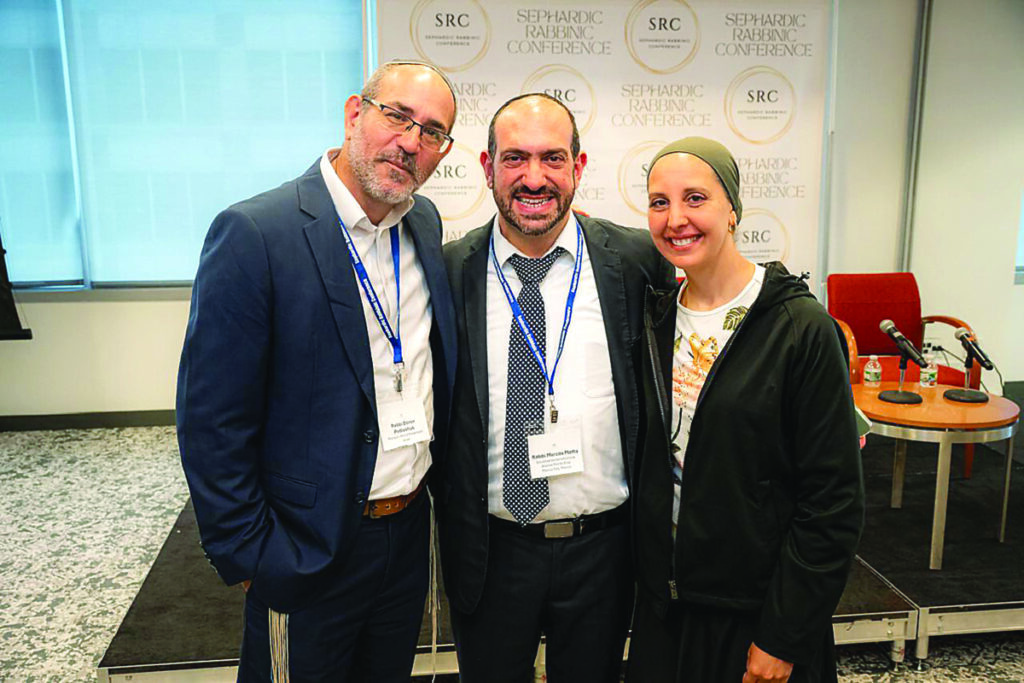
“It was a unique and deeply enriching experience, focused on sharing experiences, addressing current challenges, and gaining new tools to strengthen our communities,” said Rabbi Marcos Metta of Mexico City.
Sessions included the Role of the Sephardic Rabbi Today, the Rabbi as a CEO, Inspiring Congregants to Appreciate Jewish Life, Elevating Education & Educators and Growing Community. The session called Rabbi in the Public Square, Advocacy, Interfaith & Civic Engagement discussed how the rabbis represent Jewish interests outside of the congregation and how to engage community leaders.
“I found Rabbi Jacob J. Schacter’s session particularly impactful and inspiring,” said Rabbi Bouskilla. “His presentation combined profound Torah ideas with practical messages that speak directly to the responsibilities we carry as rabbis and as individuals. I was especially moved by his thoughts relating to Rosh Hashanah and the importance of personal responsibility, relationships, and recognizing the opportunities Hashem gives us to grow and make a difference in the lives of others. What made the session especially meaningful was that the ideas were not merely theoretical. They were messages that a rabbi could take home, reflect upon personally, and ultimately share with his congregation.”
“It was an incredible experience. We were together in the Sephardic way,” said Rabbi Abraham Tobal, Chief Rabbi of the Monte Sinai Community in Mexico City. “I felt I was not alone with so many rabbis who think like me. A lot of women participated and it was a big thing for the Sephardic world. We are trying to organize so we speak with the same voice, the way Ashkenazic organizations do.”
Several female students of Rabbi Metta, who are leaders of spiritual projects in Mexico, also participated and benefited from the experiences, advice, and teachings shared throughout the Congress. “Without a doubt, it was a highly stimulating, enriching, and motivating experience, strengthening our commitment to continue working for the benefit of our congregants,” noted Rabbi Metta. “The Congress left us with a clear conviction, we must collaborate more closely among our different kehillot and unite our efforts to strengthen the impact of our Sephardic tradition, a rich and profound heritage with so much to offer our communities and future generations.”
Sarina Roffé, a genealogist and historian, is the author of Branching Out from Sepharad (Sephardic Heritage Project, 2017). She is currently researching her next book, Syrian Jewish Paths to Freedom. Sarina holds a BA in Journalism, an MA in Jewish Studies, and an MBA.


