



Finding Balance for Your Mind and Body
Laura Shammah, MS, RDN
Everywhere we turn, it’s protein this, protein that. Smoothies boast extra protein, bars scream “20 grams!”, and even cereals are fortified with it. Yet beneath all the hype, real questions remain. How much do we actually need? Is there such a thing as too much? And what if you don’t even like protein foods?
As a dietitian specializing in eating disorders, I believe protein shouldn’t become another food rule to obsess over. It should instead be understood as one part of a balanced picture, one that supports not just your body, but also your mood, appetite, and relationship with food.

What Protein Actually Does
Protein is far more than a muscle builder. It repairs and maintains every cell in the body, from skin and hair to hormones and enzymes. It supports immunity, helps regulate appetite and blood sugar, and prevents sharp highs and lows. It also supports mental health by providing amino acids that become neurotransmitters like serotonin and dopamine.
How Much Protein Do We Really Need?
For most adults, about 0.8–1 gram per kilogram of body weight, or roughly 0.36–0.45 grams per pound, is enough. Active adults, older adults, or those on weight loss medications (like GLP-1s) may benefit from 1.2–1.6 g/kg to help preserve muscle mass and manage satiety. The body can handle moderate extra protein, but chronic excess, such as multiple scoops of powders on top of a high-protein diet, is not magic. It will not double your strength and can crowd out other important foods like fruits, veggies, and whole grains.
Choosing the Right Protein
Animal sources such as chicken, turkey, fish, eggs, and dairy are complete and easily absorbed. Plant based options like beans, lentils, tofu, tempeh, edamame, nuts, and seeds bring fiber, minerals, and variety. They do not have to be combined in one perfect dish, since your body balances them across the day. What matters most is how these foods make you feel, whether they give steady energy, help with focus, or leave you sluggish. Your experience matters as much as the nutrition facts.
What If You Don’t Like Protein Foods?
Not everyone loves eggs or steak, and that’s okay. Cottage cheese or Greek yogurt can blend into smoothies. Lentils can disappear into soups or sauces. Roasted chickpeas or edamame make satisfying crunchy snacks.
Protein Through the Lens
of Exercise and Age
Exercise increases demand, and protein helps muscles recover and adapt. Spreading intake throughout the day is better than loading up at dinner. Age shifts the picture. Muscle naturally declines, so after 30 years old, protein becomes more protective against weakness and frailty.
Protein’s Influence on Mood,
Appetite, and Binges
Adequate protein provides building blocks for healthy brain chemistry. Skipping it often leads to irritability or fatigue. Consistent protein helps stabilize blood sugar and reduces the roller coaster of hunger and cravings. Balanced protein can also decrease the extremes of hunger that often drive overeating.
Pairing Protein for Balance
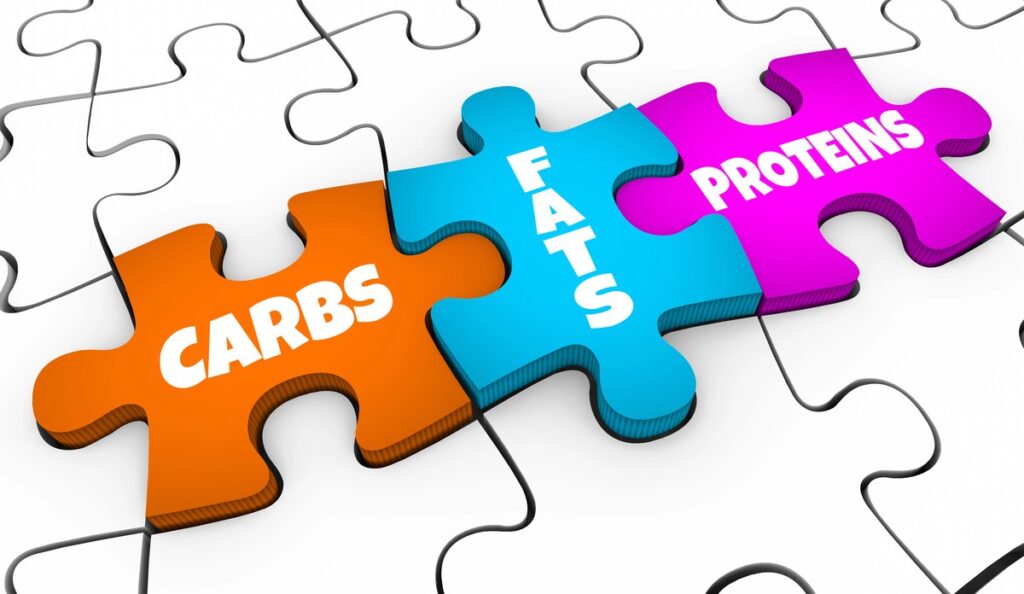
Protein works best in combination. Pair it with fiber rich carbs like fruits, vegetables, and whole grains for lasting fullness and energy, and add healthy fats such as avocado, nuts, or olive oil to support hormones and brain health. This trio: protein, carbs, and fat, is the true recipe for satiety and balance.
But What If You Only Like Carbs?
This is common, especially if protein is not naturally appealing or if carbs have always been your comfort zone. Try adding protein alongside your favorite carb, like toast with eggs, pasta with chicken, or crackers with cheese. Just as coffee or dark chocolate are acquired tastes, many protein rich foods can be too. Over time, your body connects them with steady energy and fewer crashes, and you may even start to crave them.
Building these pairings step by step helps your body and brain relearn trust in food without restriction, just gentle experimentation.
Balance Over Perfection
Protein is essential, but it is not a magic bullet. Too little leaves you tired, too much can crowd out balance, but the sweet spot supports energy, mood, and stability. The real goal is not chasing a number, but creating meals that nourish your body and mind. Pair protein with foods you enjoy, listen to your body’s signals, and remember that balance always wins over extremes.
Laura Shammah, MS, RDN, specializes in eating disorders and works with a wide range of clients, including those managing PCOS, infertility, hypertension, high cholesterol, Crohn’s disease, diabetes, and cancer. She also supports clients training for marathons, women who are pregnant, and individuals seeking to lose or gain weight in a healthy way.


