Home Blog Page 44

Inflation Rises in January Amid Surging Egg Prices and Higher Consumer Costs

Inflation Rises in January Amid Surging Egg Prices and Higher Consumer Costs

The U.S. inflation rate rose to 3% in January, marking an increase from December’s 2.9%, according to the latest Consumer Price Index (CPI) report. The monthly CPI increase of 0.5% represents the largest jump since August 2023, reflecting growing price pressures across several sectors. Core inflation, which excludes volatile food and energy prices, also edged up to 3.3% from 3.2% the previous month.

Key Drivers of Inflation

One of the most significant contributors to January’s inflation spike was the sharp rise in egg prices, which soared 15.2% from December to January. The increase was fueled by a bird flu outbreak that led to the culling of approximately 40 million birds, significantly reducing supply. Year-over-year, egg prices are now 53% higher than they were in January 2024.

Grocery prices also saw an uptick, with overall food inflation reaching 1.9%. While some staple items remained relatively stable, the cost of dairy products, fresh produce, and processed foods saw moderate increases.

Other Sectors Impacted

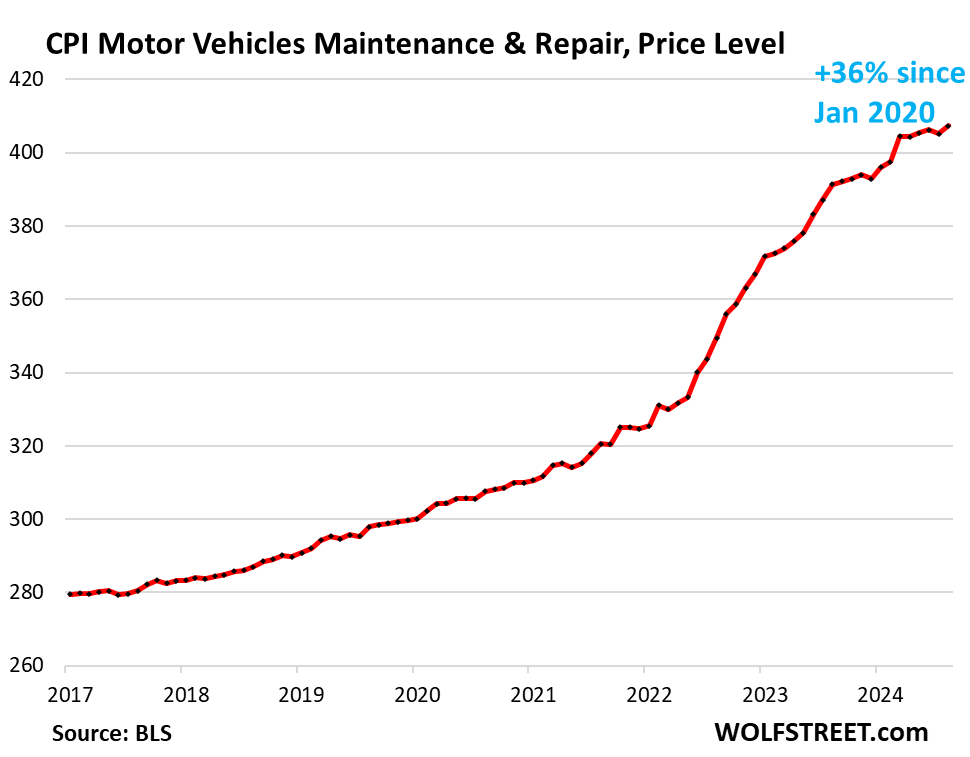
In addition to food prices, the inflation surge extended to other consumer essentials. Car insurance premiums rose by 2%, continuing a trend of rising costs in the auto sector. Hotel prices also climbed, with a 1.4% increase, reflecting stronger demand in the travel and hospitality industries.
Federal Reserve’s Response

The rise in inflation is expected to influence the Federal Reserve’s monetary policy decisions. With consumer prices climbing more than anticipated, the Fed is likely to maintain its current interest rate levels rather than proceed with any rate cuts. This decision could mean higher borrowing costs for consumers and businesses in the coming months, as the central bank prioritizes stabilizing inflation before easing monetary policy.

Economic Outlook

Despite inflationary pressures, the labor market remains resilient, and consumer spending has not shown significant signs of slowing. However, with persistently high costs in essential goods and services, household budgets may feel increasing strain in the months ahead.

Economists are closely monitoring upcoming inflation reports to assess whether January’s surge was a temporary spike or part of a broader trend that could shape economic policy decisions throughout 2025. For now, consumers should brace for continued price fluctuations as supply chain disruptions and demand-driven pressures influence the market.

Source: APnews

Trump, Putin to Begin Ukraine Peace Talks Amid European Concerns

U.S. President Donald Trump has announced the immediate commencement of direct peace talks with Russian President Vladimir Putin, sparking concerns among Ukraine and its European allies. The announcement came after a phone call between Trump and Putin, during which both leaders agreed to initiate negotiations to end the nearly three-year war in Ukraine.

Trump’s decision to engage Moscow directly, without initially involving Ukrainian President Volodymyr Zelenskyy, has raised alarm bells across Europe. The Ukrainian government, along with key European nations, has demanded inclusion in the talks to ensure Kyiv’s interests are represented.

“I think we’re on the way to getting peace,” Trump stated, though he did not specify whether Ukraine would be directly involved in the negotiations. Excluding Kyiv would align with Putin’s longstanding position that Ukraine should not have a role in determining the terms of peace. The move represents a stark departure from previous U.S. policy under former President Joe Biden, which emphasized the principle of “nothing about Ukraine without Ukraine.”

Reactions from Ukraine and Europe

Following Trump’s call with Putin, the U.S. president also spoke with Zelenskyy. The Ukrainian leader later stated that the two discussed “opportunities to achieve peace” and the readiness of their respective teams to work together. However, European leaders voiced concerns that any talks should include Ukraine and uphold its sovereignty.

A joint statement from the foreign ministers of France, Germany, Poland, Italy, Spain, the U.K., Ukraine, the European Commission, and the European External Action Service emphasized that any negotiations should place Ukraine in a position of strength. “Ukraine and Europe must be part of any negotiations,” the statement read.

People stand among American, British, Danish and Ukrainian flags at a makeshift memorial to soldiers killed in action fighting Russian troops, in Independence Square in Kyiv, Ukraine, on Feb. 5, 2025.
Genya Savilov/AFP via Getty Images

EU foreign affairs chief Kaja Kallas reinforced this stance, stating, “Ukraine’s independence and territorial integrity are unconditional.”

Planned Diplomatic Meetings

Trump confirmed that he would meet Putin in Saudi Arabia, though no date has been set. Meanwhile, a high-level U.S. delegation, including Vice President JD Vance and Secretary of State Marco Rubio, is scheduled to meet with Zelenskyy at the Munich Security Conference.

In a further indication of U.S. diplomatic engagement, Ukraine-Russia envoy Keith Kellogg will embark on a 10-day visit to Germany, Belgium, and Ukraine to discuss the framework of potential peace agreements.

Concerns Over U.S. Policy Shift

The Trump administration’s shift in policy was further underscored by Defense Secretary Pete Hegseth’s recent remarks in Belgium, where he acknowledged that Ukraine is unlikely to reclaim all its occupied territories and will not receive NATO security guarantees in any peace agreement. “The bloodshed must stop, and this war must end,” Hegseth stated, signaling a pragmatic—if controversial—approach to negotiations.

Critics argue that Trump’s overtures to Putin could pressure Ukraine into making territorial concessions. Former National Security Advisor John Bolton called the approach a “sellout” and a de facto surrender to Putin. “Trump has effectively surrendered to Putin on Ukraine,” Bolton wrote on social media.

Oleksandr Merezhko, chair of Ukraine’s parliamentary foreign affairs committee, also voiced concerns. “It’s a bad sign that he has talked first to Putin, not to Zelenskyy,” he noted, warning that such moves could embolden Moscow.

Russia’s Response and Next Steps

The Kremlin confirmed Trump’s conversation with Putin, with Russian spokesperson Dmitry Peskov stating that both leaders agreed on the need for an “early end to hostilities.” However, Peskov reiterated Russia’s stance that a long-term settlement must address what Moscow sees as the root causes of the conflict—potentially including Ukraine’s NATO aspirations and control over contested territories.

Despite international skepticism, both Moscow and Kyiv appear to be preparing for negotiations. Russia and the U.S. recently finalized a prisoner exchange, which Trump hailed as a goodwill gesture to facilitate peace talks. Meanwhile, Zelenskyy met with U.S. Treasury Secretary Scott Bessent to discuss potential U.S. investment in Ukraine’s mineral resources—a move that could strengthen Ukraine’s bargaining position.

While the road to peace remains uncertain, the coming weeks are expected to bring further developments as both sides maneuver for leverage in the talks. The outcome of these negotiations could reshape the geopolitical landscape and redefine the balance of power in Eastern Europe.

Source: TheWallStreetJournal

The Secret Vitamin Combination for a Youthful Look and Cancer Prevention

These vital vitamins are great for your health (Image: Getty)

In the ever-evolving search for effective anti-aging solutions, scientists have uncovered a natural approach that not only promotes a youthful appearance but may also help prevent cancer. A simple yet powerful combination of essential vitamins, coupled with regular exercise, is proving to be a game-changer in health and longevity.

The Science Behind Aging and Health

As we age, our bodies undergo significant physiological changes, including reduced skin elasticity, diminished energy levels, and increased vulnerability to illnesses. Research has long suggested that reducing calorie intake can slow down the aging process in humans. Additionally, certain nutrients have been found to play a vital role in delaying biological aging.

One of the most promising findings involves the benefits of Vitamin D and Omega-3 fatty acids. Studies in animals have demonstrated that these compounds can slow biological aging, prompting researchers to explore their effects in humans.

The DO-HEALTH Study and Groundbreaking Results

A team of researchers from the University of Zurich, Switzerland, led by Heike Bischoff-Ferrari, conducted an extensive study as part of the DO-HEALTH research project. They aimed to examine the impact of Vitamin D, Omega-3 fatty acids, and exercise on aging and disease prevention.

Over the course of three years, the study monitored 777 individuals over the age of 70, testing eight different treatment combinations. The results were astounding:

  • Omega-3 fatty acids slowed biological aging by up to four months across multiple epigenetic clocks, regardless of age, gender, or body mass index.
  • The combination of Omega-3s, Vitamin D, and strength training was even more effective, significantly reducing the risk of infections, falls, and frailty.
  • This powerful trio also contributed to a reduced cancer risk, providing a compelling argument for integrating these elements into daily health routines.

The Role of Epigenetic Clocks in Measuring Aging

To evaluate the effectiveness of these interventions, researchers utilized epigenetic clocks, a cutting-edge method that tracks DNA modifications (methylation) to assess biological aging. The DO-HEALTH study was the first to apply this technique in a controlled trial, demonstrating its responsiveness to targeted treatments.

The lead researcher, Bischoff-Ferrari, highlighted the significance of these findings, stating: “This result extends our previous findings from the DO-HEALTH study, where these three combined factors had the greatest impact on reducing cancer risk and preventing premature frailty over a three-year period, as well as slowing down the biological aging process.”

The Takeaway: A Natural and Affordable Anti-Aging Strategy

Unlike expensive anti-aging treatments and invasive procedures, this research underscores a natural and accessible way to maintain health and youthfulness. Incorporating Vitamin D, Omega-3 fatty acids, and consistent strength training into one’s lifestyle may be the key to looking younger and living longer.

With further studies underway, scientists are optimistic about uncovering even more ways to leverage these nutrients for enhanced longevity. For now, individuals seeking a cost-effective and science-backed approach to aging gracefully should consider integrating these simple yet powerful elements into their daily routines.

Quantum Leap: Teleportation of Logic Gates Achieved in Quantum Computing

In a major milestone for quantum technology, researchers at Oxford University have successfully demonstrated the teleportation of quantum logic gates between quantum computers. This breakthrough, which involved transferring quantum information across a distance of two meters, represents a crucial step toward enabling large-scale, interconnected quantum networks.

Quantum Teleportation: A First for Logic Gates

Teleportation in quantum mechanics is not the science-fiction concept seen in movies, but rather the instantaneous transfer of quantum states between two entangled particles, regardless of distance. While quantum teleportation of individual qubits has been achieved before, this marks the first time that quantum logic gates—the fundamental building blocks of quantum computing—have been successfully teleported.

The experiment conducted at Oxford focused on transferring the quantum spin state of one system to another with remarkable accuracy, achieving an 86% fidelity rate. This means that the transferred state closely resembled the original, ensuring that the quantum information was largely preserved during teleportation. This level of precision is critical, as quantum computers rely on fragile quantum states that can easily be disturbed by external noise.

Why Is This a Big Deal?

Quantum computers hold the potential to revolutionize computing by solving problems far beyond the reach of classical machines. However, one of the biggest challenges in scaling quantum computing is enabling interactions between different quantum processors. Traditional data transmission methods introduce noise and errors that can disrupt delicate quantum states.

By teleporting logical operations between separate quantum systems, scientists have demonstrated that quantum information can be shared reliably without the need for direct physical links. This breakthrough could lead to the development of modular quantum computing, where multiple quantum processors work together seamlessly, much like nodes in a classical supercomputer.

Laying the Foundation for a Quantum Internet

The implications of this research extend far beyond computing. The successful teleportation of logic gates brings us closer to the realization of a quantum internet, where information could be transmitted securely and instantaneously across vast distances using quantum entanglement.

Unlike classical networks, which rely on traditional encryption methods, a quantum internet would provide unhackable communication through the principles of quantum mechanics. Any attempt to intercept quantum data would disturb the entangled state, immediately alerting the sender and rendering the information unreadable. Governments, financial institutions, and cybersecurity experts are keenly interested in this technology for its potential to revolutionize secure communication.

Challenges and Next Steps

While the teleportation of quantum gates is a major breakthrough, several hurdles remain before this technology becomes practical on a large scale:

  • Increasing fidelity: The current 86% accuracy needs improvement to minimize information loss and errors.
  • Scaling up distances: While two meters is impressive, a global quantum network would require teleportation over hundreds or even thousands of kilometers.
  • Integrating with existing quantum architectures: Teleportation must work seamlessly with various types of quantum hardware, from superconducting qubits to trapped ions.

Future research will focus on refining the teleportation process, improving error correction methods, and extending the reach of quantum entanglement. If successful, these advancements could usher in an era where quantum computers communicate effortlessly, unlocking new possibilities in cryptography, artificial intelligence, materials science, and beyond.

Conclusion: A Glimpse into the Future

The teleportation of logic gates marks a pivotal moment in the journey toward fully functional quantum computing and next-generation communication networks. As researchers push the boundaries of quantum technology, we are inching closer to a future where information moves at the speed of entanglement, computing power defies classical limitations, and data security reaches unprecedented levels.

Ukraine’s Rare Earths Could Change the Game

As Ukraine continues to seek vital military aid from the United States, a potential trade-off is emerging—access to its vast reserves of rare earth elements. Former U.S. President Donald Trump has reportedly demanded $500 billion worth of these valuable resources, citing America’s substantial financial support to Ukraine throughout the ongoing conflict.

Ukraine’s Strategic Resource Reserves

Ukraine holds some of Europe’s largest reserves of lithium, with an estimated 500,000 tons. Lithium is a critical component in modern battery technology, powering everything from electric vehicles to advanced military equipment. Additionally, Ukraine possesses substantial titanium reserves, making up approximately 7% of the global supply. Titanium is essential in aerospace manufacturing, medical implants, and defense applications due to its lightweight yet highly durable properties.

However, Ukraine’s ability to fully exploit these resources is currently restricted. Nearly 40% of its rare earth deposits lie in Russian-occupied territories, limiting immediate extraction and development. The ongoing war has also disrupted mining operations and infrastructure, complicating efforts to leverage these resources for economic and geopolitical advantage.

Economic and Strategic Importance

Prior to the conflict, Ukraine’s mineral industry played a significant role in the nation’s economy, accounting for 6.1% of its GDP and contributing to 30% of its total exports in 2021. Recognizing its strategic potential, the European Commission has identified Ukraine as a key supplier for 20 critical raw materials essential for the European Union’s green energy transition and technological advancements.

With global demand for rare earth elements surging, particularly as countries race to secure supply chains independent of China, Ukraine’s untapped reserves could become a game-changer. If a deal is reached, Ukraine may not only strengthen its ties with the U.S. but also position itself as a major player in the global rare earth market.

Challenges and Geopolitical Implications

Despite the potential benefits, several challenges remain. First, the extraction and processing of rare earth minerals require significant investment, technological expertise, and long-term stability—factors that are currently uncertain due to the war. Second, a deal granting the U.S. access to these resources could provoke geopolitical tensions, especially with China, which dominates the rare earths market and maintains strong economic ties with Russia.

Moreover, such an agreement may raise concerns about Ukraine’s sovereignty over its natural wealth. While securing military aid is crucial for its defense, Ukrainian officials must balance short-term security needs with long-term economic independence.

Looking Ahead

As negotiations unfold, Ukraine’s rare earths could serve as a crucial bargaining chip in securing international support. Whether or not a formal agreement is reached, the country’s vast mineral wealth underscores its potential to reshape global supply chains and reinforce its economic resilience in a post-war landscape. The world will be watching closely as Ukraine navigates this high-stakes opportunity.

Russian Missile Strike Hits Kyiv, Killing Civilian and Injuring Four

A view shows a site of a Russian missile strike, amid Russia's attack on Ukraine, in Kyiv, Ukraine February 12, 2025. REUTERS/Vladyslav Musiienko

Kyiv was jolted awake in the early hours of Wednesday morning as Russian forces launched a deadly missile barrage on Ukraine’s capital, killing at least one civilian and injuring four others, including a nine-year-old child. The large-scale attack—one of the most intense in weeks—triggered massive explosions that shook the city, shattered windows, and sparked fires across multiple locations.

The Ukrainian Air Force confirmed that Russia fired seven ballistic missiles toward Kyiv, six of which were intercepted by air defense systems. However, the remaining missile managed to strike a non-residential building, causing significant damage. The assault also extended beyond Kyiv, hitting infrastructure in the northern region of Chernihiv, where at least two additional people were injured.

A City Under Fire

Residents across Kyiv described the harrowing moments as the explosions ripped through the city around 2:30 a.m. local time. “We don’t have windows, everything is broken here. It’s horrible,” said Anzhela Karnatova, whose office was heavily damaged in the strike.

Another local, Nina Kyslenko, rushed to her workplace, a dry-cleaning shop, after receiving a call from police. “There were explosions all morning… Everything is ruined,” she said, surveying the shattered glass and debris strewn across the floor.

Emergency responders worked through the freezing night, battling fires and searching for survivors amid the rubble. Temperatures in Kyiv hovered around minus 10 degrees Celsius (14 degrees Fahrenheit), adding to the hardship for those affected. Photos released by Ukraine’s emergency services showed firefighters struggling to contain flames engulfing the wreckage of a heavily damaged building.

Zelensky Condemns Attack, Calls for Stronger Support

In the wake of the missile strike, Ukrainian President Volodymyr Zelensky took to Telegram, urging Ukraine’s Western allies to remain steadfast in their support.

“This Russian terror against Ukraine will not stop on its own,” Zelensky wrote. “Putin is not preparing for peace—he continues to kill Ukrainians and destroy cities.”

The attack serves as yet another reminder of the ongoing devastation nearly three years since Russia launched its full-scale invasion of Ukraine. While Kyiv has relied heavily on Western-supplied air defense systems to intercept Russian missiles, the scale and frequency of such attacks continue to strain Ukraine’s resources.

Russia’s Escalation Comes Amid Diplomatic Efforts

The missile assault comes at a time when former U.S. President Donald Trump has claimed his team is engaging with both Kyiv and Moscow in an attempt to negotiate a swift resolution to the war. However, with continued Russian aggression, any prospects for peace remain uncertain.

Meanwhile, Moscow has remained silent regarding the latest strike, continuing its pattern of denying or downplaying attacks on Ukrainian civilian areas.

The Ukrainian military reported that, in addition to the ballistic missile attack, Russia deployed 123 drones overnight. Air defense forces managed to shoot down 71 of them, while electronic warfare systems likely neutralized another 40.

Despite Ukraine’s efforts to shield its population, the destruction and loss of life from Wednesday’s attack highlight the ongoing dangers faced by civilians. As Kyiv and other Ukrainian cities brace for further assaults, the calls for more advanced air defense systems and increased international support grow louder.

With no sign of de-escalation, the conflict continues to rage, leaving Ukraine’s future—and the possibility of a diplomatic resolution—hanging in the balance.

Source: Reuters

Trump Threatens to Block NYC Congestion Pricing, Federal Funding at Risk

President Trump renewed his threat to kill congestion pricing this weekend. (Barry Williams/ New York Daily News; Getty)

Former President Donald Trump has sparked controversy by threatening to dismantle New York City’s congestion pricing program, a system designed to alleviate traffic congestion in Manhattan while generating billions for public transit improvements. The plan, which has been in effect since January 5, charges drivers a base toll of $9 to enter Midtown and Lower Manhattan during peak hours.

Trump stated that he intends to use federal power to “kill it off in Washington,” despite the program’s approval by state lawmakers and backing from the federal Department of Transportation. The initiative aims to reduce vehicle congestion in one of the busiest urban centers in the world and raise approximately $15 billion to support infrastructure improvements for the Metropolitan Transportation Authority (MTA).

The congestion pricing system underwent a rigorous environmental assessment and received a green light from federal regulators, who concluded that the plan would have no significant environmental impact. Legal challenges to the program have thus far failed, with multiple rulings upholding its implementation.

Despite these approvals, Trump remains adamant about dismantling the toll system, citing concerns over its impact on drivers. In a recent interview, he suggested withholding federal funding from New York if the state does not eliminate the congestion toll.

Trump’s criticisms extended beyond congestion pricing. He also took aim at New York City’s extensive network of bike lanes, suggesting potential federal intervention to remove them. However, legal experts question the feasibility of such actions, given the authority vested in local governments to manage municipal infrastructure.

State and city officials have yet to formally respond to Trump’s remarks. MTA representatives declined to comment directly on the threats but reaffirmed the agency’s commitment to the congestion pricing program, emphasizing its role in modernizing public transit and reducing urban traffic.

Transportation advocates have defended the tolling system as a necessary step toward creating a more sustainable and efficient transportation network. “Congestion pricing isn’t just about raising funds—it’s about reducing gridlock and improving air quality for everyone in the city,” said a spokesperson for the Riders Alliance, a transit advocacy group.

As legal and political battles loom, the future of New York’s congestion pricing plan remains uncertain. With billions of dollars for public transit upgrades at stake, stakeholders on both sides are preparing for a prolonged fight over the city’s transportation policies.

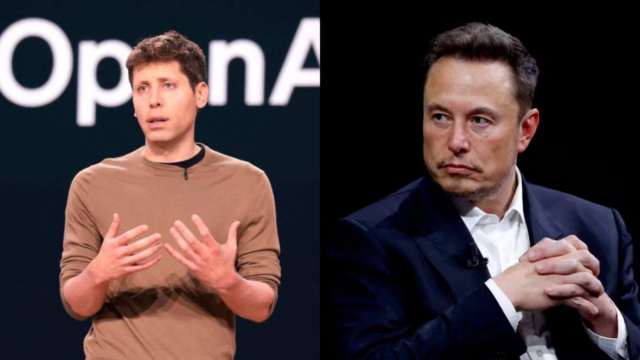
Elon Musk-Led Group Proposes $97.4 Billion Bid for OpenAI, CEO Sam Altman Firmly Declines

In a surprising twist, Elon Musk, along with his AI startup xAI and a consortium of investment firms, has made a bold offer to purchase OpenAI for approximately $97.4 billion. The move aims to revert OpenAI back to its original nonprofit mission as a charitable research lab dedicated to advancing artificial intelligence safely for public benefit.

Musk’s attorney, Marc Toberoff, confirmed the proposal, emphasizing that the acquisition would realign OpenAI with its founding goals. However, OpenAI CEO Sam Altman wasted no time in rejecting the unsolicited bid. Taking to Musk’s own social platform, X, Altman quipped, “No thank you but we will buy Twitter for $9.74 billion if you want.” Musk famously acquired Twitter, now called X, in 2022 for $44 billion.

A Long-Standing Feud Resurfaces

Musk, who co-founded OpenAI with Altman in 2015, has been at odds with the organization since stepping down from its board in 2018. He later sued OpenAI, alleging that it had strayed from its original mission as a nonprofit dedicated to building safe, better-than-human AI for public good. Musk had invested approximately $45 million in the startup during its early years.

The tensions escalated following the meteoric rise of ChatGPT, which brought global fame and financial success to OpenAI. Internal disputes over the organization’s direction came to a head in late 2023 when OpenAI’s nonprofit board briefly ousted Altman, only for him to return days later with a restructured board.

Legal Complications and Nonprofit Status

The legal landscape surrounding OpenAI’s potential transition to a for-profit entity is complex. U.S. tax law stipulates that assets or funds donated to a tax-exempt organization must remain within the charitable sector. Any conversion to a for-profit structure would require the for-profit entity to pay the fair market value of those assets to another charitable organization.

Musk and his legal team have expressed concerns about OpenAI’s relationship with Microsoft and its shift toward commercialization. Toberoff argued that if OpenAI transitions to a fully for-profit model, it must fairly compensate the charitable sector for its assets, describing the technology as “the most transformative of our time.”

Courtroom Battle Looms

Last week, lawyers for Musk and OpenAI faced off in a California federal court. U.S. District Judge Yvonne Gonzalez Rogers acknowledged the complexity of the case, stating that Musk’s claims of potential harm were a “stretch.” Nevertheless, she allowed the case to proceed toward a potential trial next year.

“It is plausible that what Mr. Musk is saying is true. We’ll find out. He’ll sit on the stand,” the judge noted, signaling a willingness to explore Musk’s assertions.

Competitive Bidding Concerns

In early January, Musk’s attorney sent a letter to the attorneys general of California and Delaware, urging them to ensure that any transactional process involving OpenAI’s charitable assets adheres to competitive bidding protocols to determine their fair market value.

Backing Musk’s bid are prominent investment firms, including Baron Capital Group, Valor Management, Atreides Management, Vy Fund, Emanuel Capital Management, and Eight Partners VC. Toberoff stressed the importance of protecting public interest, arguing that OpenAI’s leadership should fairly compensate the charity for relinquishing control over its groundbreaking AI technology.

What Lies Ahead?

As OpenAI continues to navigate its path forward, the standoff between Musk and Altman underscores the high stakes involved in the rapidly evolving AI landscape. With legal proceedings set to continue, the future of OpenAI’s structure and mission remains uncertain, while the world watches closely.

Source: apnews

SpaceX Falcon 9 Lights Up Southern California Sky

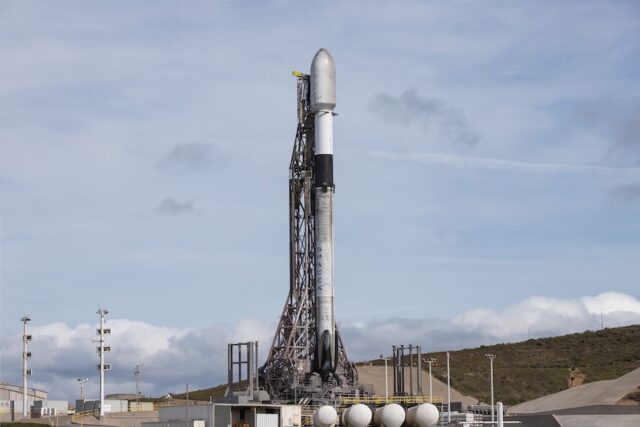
File: A SpaceX Falcon 9 rocket stands ready to launch the Starlink 7-14 mission from Vandenberg Space Force Base. Image: SpaceX

Southern California residents were treated to a spectacular sight on Monday evening as a SpaceX Falcon 9 rocket lit up the night sky.

The rocket launched from Vandenberg Space Force Base on a mission to deploy a new batch of Starlink satellites, part of SpaceX’s ambitious plan to provide global satellite internet coverage. The Falcon 9’s bright plume and dazzling trail streaked across the dark sky, captivating onlookers and sparking widespread social media buzz.

Reports flooded in from across the region, with residents capturing photos and videos of the mesmerizing display. Many described the sight as “otherworldly” and compared it to a glowing comet traversing the heavens.

A Mission for Connectivity

The successful deployment of the Starlink satellites marks another milestone for SpaceX, which continues to expand its satellite internet constellation. With thousands of satellites already in orbit, the company aims to provide high-speed internet access to underserved and remote areas around the globe.

Technological Feat

The Falcon 9 rocket, known for its reliability and reusability, flawlessly executed its mission. The first stage of the rocket made a controlled descent and landed on a drone ship stationed in the Pacific Ocean, showcasing SpaceX’s continued mastery of rocket recovery technology.

A Social Media Sensation

Social media platforms lit up with posts from thrilled witnesses. “I thought it was a UFO at first,” one user tweeted alongside a video of the rocket’s glowing trail. Others expressed awe at the beauty of the launch and shared gratitude for the unexpected spectacle.

Looking Ahead

This launch is just one of many planned missions as SpaceX continues to lead in commercial space exploration and satellite deployment. With its growing network of Starlink satellites, the company remains at the forefront of efforts to bridge the global digital divide.

As the skies over Southern California returned to their usual calm, the memory of Falcon 9’s stunning journey lingered—a testament to human ingenuity and the boundless possibilities of space exploration.

Source: spaceflightnow

Growing Measles Outbreak in Texas Raises Public Health Alarm

The measles rash is seen on the body of the child above. (iStock)

The Texas Department of State Health Services (DSHS) has issued a warning following confirmation of a growing measles outbreak in Gaines County. So far, 10 cases have been identified, with eight involving school-aged children and two under the age of five. Alarmingly, all affected individuals were unvaccinated, and seven have required hospitalization.

The Threat of Measles: A Highly Contagious Disease

Measles is one of the most contagious diseases in the world. Health officials caution that the virus can remain infectious in the air for up to two hours after an infected person coughs or sneezes. Given its airborne nature and high transmissibility, additional cases are anticipated.

This outbreak comes more than two decades after measles was officially declared eliminated in the United States in 2000. The resurgence of the disease underscores the importance of immunization and public awareness.

Call for Immediate Action and Vigilance

The DSHS has urged healthcare providers and the public to promptly report any suspected cases to local health departments. Quick identification and isolation of cases are critical to containing the outbreak.

In their advisory, health officials highlighted that symptoms of measles typically appear 7 to 14 days after exposure and include fever, cough, runny nose, red eyes, and a distinctive rash. Severe complications such as pneumonia, brain swelling, and death can occur, particularly in young children and immunocompromised individuals.

The Importance of Vaccination

To combat the outbreak and prevent future cases, the DSHS is strongly advocating for vaccination. The agency recommends that children receive two doses of the Measles, Mumps, and Rubella (MMR) vaccine. The first dose should be administered at 12 to 15 months of age, and the second dose between 4 and 6 years.

Scientific evidence shows that each dose of the MMR vaccine significantly reduces the risk of infection and severity of illness if infection occurs. Health experts warn that children too young to be vaccinated are particularly vulnerable to severe complications.

Community Response and Prevention Efforts

Public health officials are working closely with local healthcare providers and schools in Gaines County to manage the outbreak and prevent further spread. They are also raising awareness about the importance of vaccination, dispelling misinformation, and addressing concerns from hesitant parents.

“Vaccination remains our most powerful tool to protect children and communities from measles and other preventable diseases,” said a spokesperson for the DSHS. “We urge families to ensure that their children are up to date on their immunizations.”

A Wake-Up Call for Public Health

The outbreak serves as a stark reminder of the risks posed by declining vaccination rates and misinformation surrounding vaccines. Public health experts emphasize that herd immunity, achieved when a significant portion of the population is vaccinated, is crucial to safeguarding communities from outbreaks.

As Texas grapples with this health crisis, the DSHS and healthcare partners continue to monitor the situation closely, providing support to affected families and reinforcing preventive measures.

The message is clear: timely vaccination and vigilant reporting are essential steps in controlling the spread of measles and protecting public health.

Source: foxnews

US President Trump signs proclamation, renames Gulf of Mexico as Gulf of America

US President Donald Trump signed a proclamation aboard Air Force One, renaming the Gulf of Mexico as the "Gulf of America" during his journey to Super Bowl 59 in New Orleans on Sunday.

On February 9, 2025, aboard Air Force One en route to New Orleans for Super Bowl 59, President Donald Trump made history by signing a proclamation renaming the Gulf of Mexico to the “Gulf of America.” The signing occurred as the presidential aircraft flew over the area now bearing its new name.

This declaration follows the issuance of Executive Order 14172 on January 20, 2025, titled “Restoring Names That Honor American Greatness.” The order directed the Secretary of the Interior to rename the U.S. Continental Shelf region bordered by Texas, Louisiana, Mississippi, Alabama, and Florida, extending to the seaward boundaries with Mexico and Cuba.

President Trump emphasized the significance of the region to the nation’s history and economy. “The area formerly known as the Gulf of Mexico has long been an integral asset to our once-burgeoning nation and remains an indelible part of America,” Trump stated.

The proclamation also designated February 9 as the first-ever “Gulf of America Day.” Trump called upon public officials and citizens to observe the occasion with “appropriate programs and commemorations.”

“This is another step toward restoring American pride and history,” Trump noted, underscoring the symbolic importance of the renaming initiative.

The announcement sparked mixed reactions domestically and internationally. While some celebrated the decision as a patriotic move, others criticized it as unnecessary and provocative, particularly concerning international relations with neighboring Mexico.

In a statement on X, Google Maps confirmed it would update the label to “Gulf of America” on U.S. digital maps while retaining “Gulf of Mexico” for Mexican users. International viewers will see both names on the map interface.

As Trump’s administration continues to push for symbolic changes tied to American identity, the renaming of this historic water body marks a significant moment in his presidency. The proclamation reinforces Trump’s ongoing agenda to “Make America Great Again” and restore national pride.

Source: The Economic Times

Trump Announces New Tariffs on Steel and Aluminum Imports

President Donald Trump speaks to reporters aboard Air Force One where Trump signed a proclamation declaring Feb. 9 "the first ever Gulf of America Day," as he travels to New Orleans, Sunday, Feb. 9, 2025. Trump said he planned on announcing a 25% tariff on all steel and aluminum imports into the U.S. Monday. Ben Curtis/AP via CNN Newsource

President Donald Trump, speaking aboard Air Force One on Sunday, revealed plans to impose a 25% tariff on all steel imports and extend the same rate to aluminum entering the United States. The formal announcement is set for Monday.

“Any steel coming into the United States is going to have a 25% tariff. Aluminum, too,” Trump told reporters.

Expanding Trade Measures

In addition to the steel and aluminum tariffs, Trump announced an upcoming news conference, scheduled for Tuesday or Wednesday, to discuss “massive new reciprocal tariffs.” These measures could align tariffs dollar-for-dollar against those imposed by foreign countries on U.S. goods.

“Very simply, it’s if they charge us, we charge them,” Trump explained, without offering details on when these tariffs might take effect.

Historical Context and Recent Trade Actions

During his previous administration, Trump introduced similar tariffs—25% on steel and 10% on aluminum in 2018. Although those tariffs were later lifted for Mexico and Canada, Trump’s recent measures suggest a renewed focus on trade protections.

Just last week, the U.S. imposed a 10% tariff on Chinese goods, prompting swift retaliation from China, which placed tariffs on chips and metals, investigated Google, and blacklisted major brands.

To alleviate pressure, Trump paused tariffs on goods worth $800 or less and delayed across-the-board tariffs on imports from Mexico and Canada until March 1.

Economic Impact

The tariffs have sparked concerns over rising production costs in industries such as automotive, aerospace, oil, and construction. While they protect American steelmakers, the reduced competition often leads to higher domestic prices.

Kevin Dempsey, CEO of the American Iron and Steel Institute, praised Trump’s stance, emphasizing its importance for national security and economic prosperity.

However, the European Union criticized the move. “We see no justification for these tariffs and will respond to protect European businesses,” said Olof Gill, trade spokesperson at the European Commission.

Trade Data Trends

Since the initial tariffs in 2018, steel imports have plunged by 27%, though domestic production has not fully compensated for the gap. Recent figures show a 2% decline in domestic steel production compared to 2023 and a 10% drop over the last decade.

As Trump’s tariff strategy unfolds, the ripple effects will be closely monitored, impacting trade relations and industries dependent on global steel and aluminum markets.

Source: CNN

Who Is Janet Petro, Trump’s Pick for Acting NASA Administrator?

Janet Petro speaks to members of the media after the arrival of SpaceX Crew-4 astronauts to NASA's Kennedy Space Center, Apr. 18, 2022. (Image credit: HUM Images/ Universal Images Group via Getty Images)

Janet Petro made history on January 20 by becoming the first woman to lead NASA after being appointed acting administrator by President Donald Trump. Her appointment, announced on Trump’s first day back in office, surprised many in the space community. Traditionally, the associate administrator—currently Jim Free—would take over the role when a new administration transitions. However, Trump’s decision placed Petro at the helm instead.

A Life Shaped by Space

Born in Michigan in 1960, Petro’s passion for space was sparked by her father’s work with Chrysler on NASA projects. This involvement led the family to relocate to Florida, where Petro and her siblings often watched historic launches of the Mercury, Gemini, and Apollo missions from the beach.

Petro’s ambition and leadership qualities emerged early. Inspired by the integration of women into military academies, she applied and was accepted to the United States Military Academy at West Point. There, she honed crucial skills in time management, motivation, and teamwork. In 1981, she graduated with a Bachelor of Science in Engineering and served as a helicopter pilot in the U.S. Army, completing assignments in Germany.

After five years in military service, Petro transitioned to the private sector, taking on engineering and management roles. She furthered her education by earning a Master’s in Business Administration from Boston University’s Metropolitan College in 1988.

NASA Career Milestones

Petro joined NASA in 2007 as deputy director of the Kennedy Space Center (KSC), following in her father’s footsteps. Her leadership skills were soon recognized, and on June 30, 2021, she became KSC’s first female director under the leadership of then-NASA Administrator Bill Nelson.

Petro’s latest appointment as acting NASA administrator marks another groundbreaking achievement in a storied career. She expressed her gratitude in a LinkedIn post, stating she was “humbled and honored” by the opportunity. Petro emphasized NASA’s continued commitment to its mission and alignment with the policies of the new administration.

Policy Shifts and Administrative Changes

One of Petro’s first actions as acting administrator was to notify staff that NASA would comply with an executive order from President Trump by closing all Diversity, Equity, Inclusion, and Accessibility (DEIA) offices and ending related contracts. A reported memo attributed to Petro described these programs as divisive and wasteful.

Despite this directive, Petro has previously acknowledged the unique challenges faced by women in professional environments. “As women, we have had to overcome certain inherent obstacles to get where we are today. It’s neither right nor wrong—it’s just how it is. But it makes us stronger and better contenders,” she wrote in a personal essay on NASA’s website.

Looking Forward

Petro recently appointed Michael Altenhofen, a veteran technical executive at SpaceX, as a senior advisor. This move follows concerns about the growing influence of Elon Musk and SpaceX on NASA, given Musk’s close ties to President Trump.

Petro’s time as acting administrator is expected to be temporary, as billionaire and private astronaut Jared Isaacman has been nominated by Trump to lead NASA permanently. Isaacman’s confirmation process in the U.S. Senate began on January 20, though no timeline for its completion has been announced.

Until then, Petro will continue to steer NASA, overseeing its budget, programs, and strategic direction during a pivotal time for the space agency.

Source: SPACE.com

Shared Genetic Links Among Eight Psychiatric Disorders

(Kateryna Kon/Science Photo Library/Getty Images)

Recent research has shed light on the genetic connections among eight major psychiatric disorders, revealing common genetic roots that may pave the way for new therapeutic approaches. The disorders identified in this study include autism spectrum disorder, attention-deficit/hyperactivity disorder (ADHD), schizophrenia, bipolar disorder, major depressive disorder, Tourette syndrome, obsessive-compulsive disorder (OCD), and anorexia nervosa.

Key Genetic Discoveries

Scientists have identified 136 genetic “hot spots” linked to these conditions, with 109 of these hot spots shared across multiple disorders. This discovery underscores the interconnected nature of these mental health conditions at the genetic level. By analyzing 17,841 genetic variants found within these hotspots, researchers identified 683 variants that play a crucial role in regulating gene activity.

Variant Classification

The study categorized the genetic variants into two distinct groups:

  • Pleiotropic Variants: These affect multiple psychiatric disorders and are characterized by heightened activity and sensitivity during brain development. They influence neurodevelopmental processes that may contribute to symptoms across a range of conditions.
  • Disorder-Specific Variants: These are linked to a single disorder and provide insights into the unique biological pathways associated with individual conditions.

Implications for Brain Development

The heightened activity of pleiotropic variants during brain development suggests that they play a significant role in shaping neurological pathways that could lead to diverse psychiatric symptoms. This finding highlights the importance of early developmental stages in understanding mental health conditions.

Toward Targeted Treatments

Understanding the shared genetic factors among these disorders holds the potential for breakthroughs in treatment. By targeting common genetic pathways, scientists and medical professionals may develop therapies that address multiple conditions simultaneously, improving outcomes for individuals with comorbid psychiatric disorders.

Conclusion

The identification of shared genetic factors among eight psychiatric disorders marks a significant step forward in understanding the biological underpinnings of mental health conditions. Continued research in this field offers hope for more effective, targeted treatments that could benefit millions of individuals living with these challenging disorders.