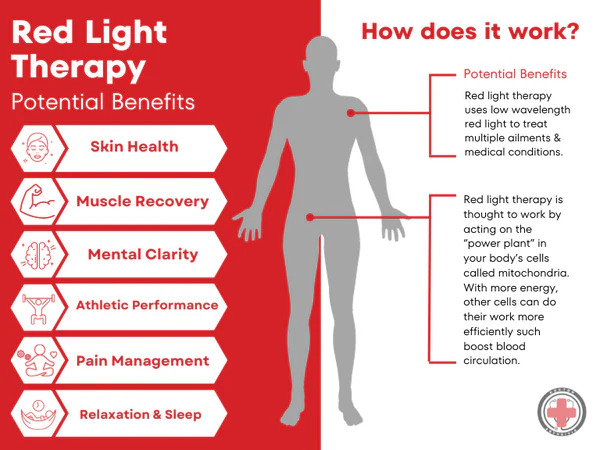
Red light therapy (RLT), also known as photobiomodulation, is gaining attention for its potential to treat a variety of conditions using low-level red and near-infrared light. This non-invasive treatment is being explored for its impact on skin health, mood disorders, and even metabolic function.
Potential Benefits of Red Light Therapy
🔴 Skin Healing & Inflammation Reduction Researchers have observed that cancer patients undergoing radiation therapy experienced reduced skin damage and inflammation when treated with red light.
🔴 Mood Disorder Support A study at Massachusetts General Hospital found that applying red light therapy to the forehead improved symptoms of mood disorders, suggesting potential mental health benefits.
🔴 Blood Sugar Stabilization Emerging research indicates that red light therapy may help regulate blood sugar levels, pointing to possible applications for diabetes management.
Proceed with Caution
While promising, many of these studies are small-scale or based on animal research. Experts emphasize that RLT should not replace traditional treatments but rather serve as a complementary therapy.
As research continues, red light therapy could become a valuable tool in skincare, mental health, and metabolic health—but for now, consulting a healthcare professional before use is key.
Apple has announced a monumental $500 billion investment in the United States over the next four years, marking one of the largest financial commitments by a private company in American history. The investment will focus on job creation, artificial intelligence (AI) infrastructure, and expanding Apple’s footprint in the entertainment and manufacturing sectors.
Boosting Jobs and AI Development
As part of the initiative, Apple plans to hire 20,000 new employees, primarily in research and development roles. A significant portion of these jobs will support advancements in AI technology, an area where Apple is increasingly focusing its efforts.
To support its AI expansion, the company will build a new server factory in Houston, Texas, scheduled to open in 2026. This facility will manufacture high-performance servers essential for powering AI-driven features across Apple’s ecosystem.
Expanding Apple TV+ and U.S. Manufacturing
Apple’s investment extends beyond technology and into entertainment. The company plans to expand Apple TV+ productions across 20 states, reinforcing its commitment to original content creation and job growth in the film and television industry.
Additionally, Apple will double its Advanced Manufacturing Fund from $5 billion to $10 billion to strengthen domestic production efforts. This fund, originally designed to support U.S.-based suppliers and innovation in manufacturing, will further enhance Apple’s ability to develop and produce critical components within the country.
Avoiding Tariffs and Strengthening Ties with Washington
The announcement comes shortly after a meeting between Apple CEO Tim Cook and President Donald Trump. Reports indicate that Trump emphasized the importance of Apple’s investment in keeping production within the U.S., potentially shielding the company from future tariffs on its products.
With this massive commitment, Apple is positioning itself as a leader in both technological innovation and American economic development, ensuring a stronger domestic supply chain while expanding its influence across multiple industries.
RABBI SAM KASSIN, DEAN OF SHEHEBAR SEPHARDIC CENTER IN JERUSALEM, IS PROUD TO ANNOUNCE THE PLACEMENT OF EIGHT RABBIS IN COMMUNITIES AROUND THE WORLD. THESE RABBIS WILL REPORT TO THEIR NEW POSITIONS BEFORE THE FALL HOLIDAYS.
After nearly two years of being confined due to the global Corona virus pandemic, the event was celebrated with tremendous spirit during a Shabbaton on July 3, in Ashdod. The rabbis are taking positions in the following communities.
Rabbi Ralph Tawil (Tel Aviv) became the rabbi of one of the largest and influential Sephardic synagogues in Tel Aviv.
Rabbi James Benman Amar (Lima, Peru) will be the rabbi of the Sephardic Synagogue in Lima, Peru. The senior rabbi has served over six decades and at 90 years old is retiring. Rabbi Benman will inspire youth and bring the synagogue into the 21st century.
Rabbi Akiva Ben Ezra (Guam) is going to start a new kehillah in Guam. He had previously been going there only for holidays like Pesach and Hanukkah, but now he is going to set up a permanent shul. Guam has 100 assimilated Jews who are really happy to have a rabbi to give some spirituality to them as well as the Jewish soldiers.
Rabbi Yitzhak Hazzan (Dallas, Texas) will be the rabbi for the large Israeli community as part of the Dallas Kollel and will inspire them to be more involved in Judaism and be part of a community.
Rabbi Aharon Ben Zadon (Madrid, Spain) is working for the Outreach Kollel which is involved with Jewish French medical students and young Jewish students from all over Spain.
Rabbi David Mizrachi (Lisbon, Portugal) is going to be assistant rabbi to Rabbi Reuben Suissa who came from South America.
Rabbi Yair Oz (Cooper City, Florida) established the synagogue in Cooper City, Florida over 10 years ago and is coming back to be the rabbi again and to open up a rehab center there.
Rabbi Gil Amoyal (Montpellier, France) is returning to France to work with community youth and kashrut supervision.
Rabbi Yair Oz
At the Friday night meal, Rabbi Sam Kassin related his experiences in Russia after the fall of the Iron Curtain when people were completely oblivious to anything Jewish. He told stories of how the rabbis he sent were brought closer to Judaism through simple gestures like putting up a mezuzah or having a Hanukkah celebration and learning to light candles. Teaching these simple acts in Russia and Uzbekistan brought the guests to tears.
During the dinner, CPT David Gingold related amazing, exciting stories about his community in Kobe, Japan and exciting adventures as a chaplain in the United States Army. For example, Kobe experienced an earthquake when he was there in 1995. Under his leadership, the Jews threw themselves into relief mode for three weeks helping victims of the crippling earthquake that devastated Japan.
“Only days after the earthquake, we received dozens of phone calls from people affected by the event,” said Rabbi Gingold. “I spoke to the board and insisted on a policy of doing all that is needed, for all that we have in our possession is Hashem’s blessing. How can we enjoy His blessing and not open our hands to those who are in need? As it says ‘thou shalt surely open thy hand unto him.’ (Deut.15:8)”
In the aftermath of the earthquake, Rabbi Gingold led a heroic 24 hour a day relief effort, providing food, housing, water, clothing and other critical relief to earthquake victims, both Jews and gentiles, who were given a haven in Synagogue Ohel Shelomoh. This is but one example of the efforts of SSC rabbis who work in remote parts of the world.
During Saturday morning prayers, two of the graduates spoke about the excitement of the opportunity to do something for the Jewish people. After the prayers, there was an unbelievable kiddush setup by the wives of the eight new rabbis who felt gratitude and honor about the opportunity to spread Torah. After the kiddush, they broke up into groups to discuss how to deal with the everyday issues and challenges they might face in their new communities.
There was a panel discussion with Rabbi Yaakov Benizri, Rabbi Sam Kassin and Rabbi Ezra Kassin. Often a rabbi may be criticized if he is stricter than a previous rabbi, or the congregants may be upset about a ruling or decision. There may also be internal congregation politics which need to be handled with diplomacy.
Rabbi James Benman Amar
Led by Rebbetzin Malka Kassin, Rebbetzin Michal Kassin, Rebbetzin Gingold and Rebbetzin Shekalim, the women discussed the importance of inspiring community women to become involved, to plan events to bring people together, as well as organize hesed programs like Bikur Holim, gemachs, and food for the poor.
After minha, Rabbi Ezra Kassin, Rabbi Benizri and CPT David Gingold discussed important issues that arise when living in the Disaspora, such as education where there is no Jewish school and how to handle couples not married in the traditional way by a rabbi. They discussed logistical issues such as how to deal with two synagogues and one kehillah, strategies to attract people to come to a class or minyan. These issues are especially important in less established communities.
The event ended with all of the people thanking Rabbi Sam Kassin for what he has done for them and the wives thanked Rebbetzin Malka Kassin for supporting his lifetime commitment to enlightening Jews around the world by training and placing rabbis where they are needed.
A genealogist and historian, Sarina Roffé is the author of Branching Out from Sepharad (Sephardic Heritage Project,2017), Backyard Kitchen: The Main Course, Backyard Kitchen: Mediterranean Salads, and the cooking app, Sarina’s Sephardic Cuisine. She is the editor of Dorot, and holds a BA in Journalism, and MA in Jewish Studies and an MBA. Sarina is President of the Sephardic Heritage Project, Co-Chair of the Brooklyn Jewish Historical Initiative and Chair of the Sephardic Research Division of JewishGen.
Friedrich Merz, the candidate of the mainstream conservative Christian Democratic Union party, gestures while addressing supporters at the party headquarters in Berlin, Germany, Sunday, Feb. 23, 2025, after the German national election. (AP Photo/Markus Schreiber)
Germany’s latest election has reshaped the nation’s political dynamics, with the conservative Christian Democratic Union (CDU) emerging victorious while the far-right Alternative for Germany (AfD) achieved unprecedented success.
CDU Secures Victory, AfD Gains Momentum
The CDU, led by Friedrich Merz, secured 28.5% of the vote, reaffirming its position as Germany’s dominant conservative force. However, the AfD surged to 20.5%, marking its strongest electoral performance since World War II. This significant gain underscores a shift in voter sentiment and a growing discontent with traditional political parties.
SPD Hits Historic Low
Chancellor Olaf Scholz’s Social Democratic Party (SPD) suffered a major defeat, garnering just 16% of the vote, the party’s lowest postwar result. The dismal performance signals waning support for the ruling government amid economic struggles and rising concerns over immigration policies.
Record Voter Turnout
The election saw an 83.5% voter turnout, the highest since Germany’s reunification in 1990. This surge in voter participation reflects the electorate’s growing engagement in shaping the country’s future.
Coalition Challenges for Merz
Despite CDU’s win, forming a stable coalition remains a challenge. Merz has ruled out any alliances with AfD, which mainstream parties have labeled extremist. This leaves him with limited options to establish a majority government and may result in prolonged negotiations.
Policy Priorities: Economy and Immigration
Merz has pledged to tighten immigration policies and focus on economic revitalization to counter Germany’s stagnant growth. His leadership will be tested as he navigates coalition talks and addresses pressing national concerns.
Conclusion
Germany’s election results highlight a dramatic shift in political allegiances, with conservatives retaining power while far-right populism gains traction. The coming weeks will determine how Merz navigates coalition-building and whether his policies can address the electorate’s growing concerns.
In a shocking cyberattack, major cryptocurrency exchange Bybit has fallen victim to the largest theft in crypto history, with losses exceeding $1.4 billion. This unprecedented heist has sent shockwaves throughout the digital asset industry, reigniting concerns over security vulnerabilities in crypto exchanges.
The Attack: How It Happened
Hackers targeted Bybit’s Ethereum cold wallet, successfully transferring approximately 401,000 ETH to unidentified addresses. Cold wallets, typically considered a safer alternative to hot wallets due to their offline nature, are designed to prevent unauthorized access. However, this breach suggests a sophisticated exploit or internal vulnerability that allowed cybercriminals to gain access.
Bybit’s Response and Assurance
Despite the massive financial hit, Bybit CEO Ben Zhou has reassured users that the platform remains solvent and all client assets are backed 1-to-1. Bybit reportedly holds around $20 billion in assets, which Zhou emphasized would cover any losses incurred in the attack. The exchange has since launched a full-scale investigation to determine the breach’s origin and prevent future incidents.
Market Impact
The repercussions of the heist have extended beyond Bybit, affecting the broader cryptocurrency market. Ethereum’s value has dropped by 4%, bringing it down to $2,641.41 per coin. Investors remain on edge, fearing that such large-scale thefts could undermine confidence in crypto security measures.
The Bigger Picture
This record-breaking heist underscores the ongoing risks associated with cryptocurrency exchanges and the critical need for enhanced security measures. While blockchain technology provides transparency, it is only as secure as the platforms facilitating transactions. As the industry grapples with this latest attack, regulators and investors alike are calling for stricter security protocols and improved cybersecurity frameworks.
The Bybit hack serves as yet another reminder that, despite the promises of decentralization and security, the crypto space remains a prime target for cybercriminals. Users and exchanges must remain vigilant, adopting stringent security practices to mitigate the risks of digital asset theft.
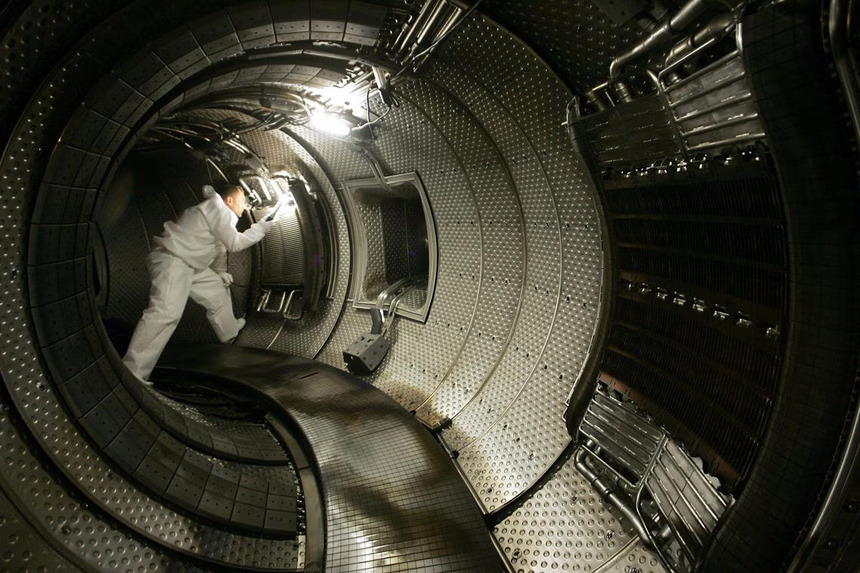
A major breakthrough in nuclear fusion research has been achieved by the CEA’s WEST tokamak, which sustained a high-temperature plasma for an unprecedented 1,337 seconds. This milestone surpasses the previous record of 1,066 seconds set by China’s EAST tokamak, marking a 25% improvement.
The plasma, heated to a scorching 50 million degrees Celsius, represents a significant step toward the long-term goal of achieving sustained fusion reactions. This advancement is particularly important for future fusion power plants, including the ITER project, which aims to produce energy through sustained plasma confinement.
To achieve this record, researchers at WEST utilized 2 MW of heating power, carefully managing plasma stability and energy efficiency. Located in Cadarache, France, WEST continues to serve as a critical testbed for next-generation fusion technology.
Despite this progress, experts caution that numerous challenges remain before fusion can become a viable energy source. Achieving net energy gain—where more energy is produced than consumed—remains the key hurdle. Scientists are now focused on extending plasma durations further and increasing temperatures to levels necessary for practical fusion power generation.
As the world seeks sustainable energy solutions, advancements like these bring humanity closer to the promise of limitless, clean energy through nuclear fusion.
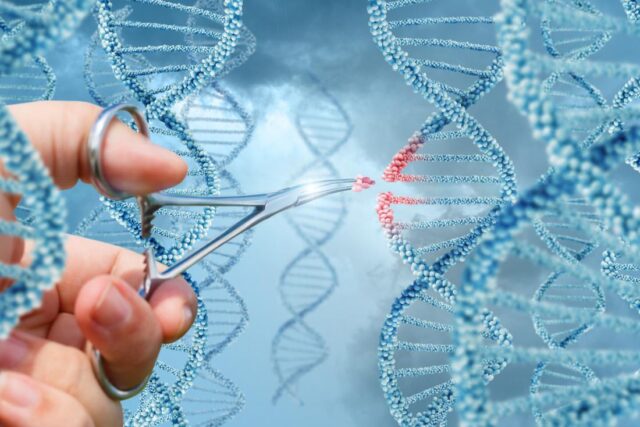
Gene editing has rapidly evolved since the 1970s, allowing scientists to precisely modify DNA and even create new life forms. Technologies like CRISPR have revolutionized the field, making genetic modifications more accurate and accessible. Today, advancements in artificial intelligence are further refining these techniques, opening new doors for medicine, agriculture, and biotechnology.
AI-Enhanced Gene Editing
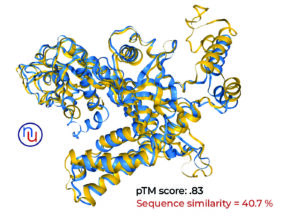
Companies like Neoclease are leveraging AI to enhance the accuracy of gene editing. Their AI-driven process has generated approximately 7,000 potential gene editors, significantly reducing off-target effects—by up to sixfold—compared to traditional methods. This advancement ensures safer and more precise genetic modifications, making it possible to correct mutations linked to various diseases.
Improved Specificity in Genetic Modifications
Another breakthrough comes from 123Genetix, which employs a ‘Wise Learning’ approach to improve gene editing specificity. Their AI model has analyzed around 65 million gene relationships, enabling more precise modifications that can lead to effective treatments for rare genetic disorders. By identifying subtle genetic interactions, this approach enhances the potential of personalized medicine and gene therapy.
Precision Gene Editing with ZFDesign
The ZFDesign gene editor has also emerged as a powerful tool, offering single-target resolution for genetic modifications. With an impressive 80% success rate in modifying target genes, ZFDesign provides a higher degree of precision, reducing unintended genetic alterations. This technology holds promise for developing targeted treatments for genetic diseases while minimizing risks associated with genetic interventions.
The Road Ahead
As AI continues to refine gene editing techniques, the potential applications are vast. From curing inherited diseases to engineering more resilient crops, these innovations could reshape multiple industries. Ethical considerations and regulatory oversight will play a crucial role in ensuring that gene editing is used responsibly and equitably.
With continuous advancements, gene editing stands at the forefront of scientific progress, offering a future where genetic disorders may become a thing of the past, and new possibilities for life itself may emerge.
In a somber development, Israel has recovered the remains of four hostages from Gaza, including Shiri Bibas and her two young sons, Ariel, 4, and Kfir, 9 months. Also among the returned remains is 83-year-old Oded Lifshitz. Their tragic deaths mark yet another painful moment in the ongoing conflict between Israel and Hamas, with their fates previously shrouded in uncertainty.
A Symbol of Tragedy and Global Concern
The Bibas family became an international symbol of suffering after their harrowing abduction during Hamas’s October 7 attack on Israel. Images of Shiri, clutching her two small children while being forcibly taken into Gaza, circulated widely on social media, triggering an outpouring of shock and concern across the world. Their plight remained at the forefront of international discussions surrounding hostage negotiations, particularly as Hamas and Israel engaged in intermittent talks for prisoner exchanges.
Despite several rounds of hostage releases in the past months, the Bibas family was never among those freed. Their continued captivity and the lack of information regarding their welfare left both their relatives and the public in agonizing uncertainty.
Conflicting Claims on Their Fate
Hamas has claimed that Shiri and her children were killed in Israeli airstrikes targeting Gaza, a statement that Israeli officials have not confirmed. However, given Hamas’s history of manipulating hostage information, skepticism remains regarding the true circumstances of their deaths. Israeli authorities are expected to conduct forensic examinations to determine the exact cause and time of death.
Adding to the heartbreak, Shiri’s husband, Yarden Bibas, was recently released in a separate hostage deal. While in captivity, he was reportedly informed by Hamas that his wife and children had perished. The psychological and emotional toll of such devastating news has been immense, with Yarden now left to grieve the loss of his entire immediate family.
The Return of Oded Lifshitz
Among the remains was also 83-year-old Oded Lifshitz, a well-known peace activist and journalist who was abducted alongside his wife, Yocheved Lifshitz. Yocheved was released in a previous hostage deal and later spoke publicly about her ordeal in Gaza, describing the conditions in captivity and the treatment of the hostages. The return of Oded’s remains brings closure to his family, though it underscores the heavy human cost of the ongoing conflict.
A Grim Reminder of the Conflict’s Toll
The recovery of these remains is a stark reminder of the humanitarian crisis unfolding as the war between Israel and Hamas persists. While diplomatic efforts continue to secure the release of the remaining hostages, the fate of those still in captivity remains uncertain. Families of hostages continue to demand action from both Israeli and international leaders to bring their loved ones home, whether alive or, in the worst cases, for a dignified burial.
As Israel mourns the loss of the Bibas family and Oded Lifshitz, the broader conflict shows no signs of abating. The tragedy of October 7 continues to reverberate, fueling tensions and shaping the geopolitical landscape of the region.
The Gaza Strip is set to launch an emergency mass polio vaccination campaign from February 22 to 26, 2025, in an effort to curb the ongoing transmission of poliovirus detected in recent environmental samples. The campaign will administer the novel oral polio vaccine type 2 (nOPV2) to over 591,000 children under the age of 10, aiming to boost immunity and prevent further infections.
Urgency of the Campaign
The decision to continue vaccinations follows the detection of poliovirus in wastewater samples from Deir al Balah and Khan Younis in December 2024 and January 2025, confirming that the virus is still circulating. Though no new polio cases have been reported since a ten-month-old child was paralyzed in August 2024, health officials warn that without continued immunization efforts, the virus could spread further.
The situation in Gaza’s overcrowded shelters and damaged sanitation infrastructure creates ideal conditions for poliovirus transmission, particularly via the fecal-oral route. The recent ceasefire has allowed for greater access to children in previously hard-to-reach areas, ensuring more widespread vaccine distribution.
Challenges and Previous Vaccination Efforts
In 2024, health workers conducted two successful vaccination rounds in September and October, reaching over 95% of the target population. However, during the second round, an estimated 7,000 children in central, north, and south Gaza missed their vaccines due to restricted access in conflict-affected areas like Jabalia, Beit Lahiya, and Beit Hanoun.
The current campaign seeks to close immunity gaps, particularly among children who were previously unable to receive the vaccine. An additional polio vaccination round is planned for April 2025 to further strengthen immunity.
Collaboration for a Polio-Free Gaza
The initiative is being led by the Palestinian Ministry of Health, with crucial support from the World Health Organization (WHO), United Nations Children’s Fund (UNICEF), United Nations Relief and Works Agency for Palestine Refugees (UNRWA), and other health partners.
Health experts emphasize that polio vaccines are safe, and there is no maximum number of doses a child can receive—each additional dose provides stronger protection against infection.
A Call for Lasting Peace
WHO, UNICEF, and their partners welcome the recent ceasefire and stress the importance of maintaining peace to ensure continued access to healthcare and immunization efforts. They urge all parties to prioritize long-term stability so that children in Gaza and beyond can grow up healthy and free from preventable diseases like polio.
The U.S. housing market took a sharp downturn in January 2025, as housing starts fell 9.8%, marking a significant slowdown in construction activity. The annualized rate of 1.366 million units represents a concerning drop in homebuilding, driven by economic uncertainty, supply chain concerns, and potential new tariffs on key materials.
Declining Housing Starts Across the Board
The slowdown affected both single-family and multifamily construction:
Single-family home starts fell 8.4% to 993,000 units, showing a 1.8% decline year-over-year.
Multifamily construction (which includes apartment buildings) suffered an 11.0% drop, with 355,000 units started.
These declines signal a cooling housing market, despite strong demand for homes.
Building Permits Hold Steady, but Long-Term Concerns Grow
While building permits—a key indicator of future construction—rose 0.1% to 1.483 million units, single-family permits remained unchanged at 996,000, reflecting a 1.7% drop from last year. This suggests builders remain hesitant to ramp up projects, likely due to economic uncertainty and rising material costs.
Regional Disparities in Housing Growth
The impact of the slowdown varied across the country:
Northeast: A staggering 27.6% decline in housing starts
West: A 42.3% surge, showing a regional rebound despite broader declines
These regional shifts highlight how local market conditions, job growth, and demand are playing a major role in homebuilding trends.
Tariff Concerns and Market Confidence
The National Association of Home Builders/Wells Fargo Housing Market Index hit a five-month low, signaling waning builder confidence. A major concern is the looming threat of 10-25% tariffs on materials like lumber, which could drive up costs and further discourage new construction.
Looking Ahead
While housing demand remains strong, the drop in starts and stagnant permits suggest that affordability challenges, material shortages, and economic uncertainty could keep homebuilding sluggish in 2025. Unless supply constraints and cost pressures ease, the industry may continue to struggle to keep pace with demand.
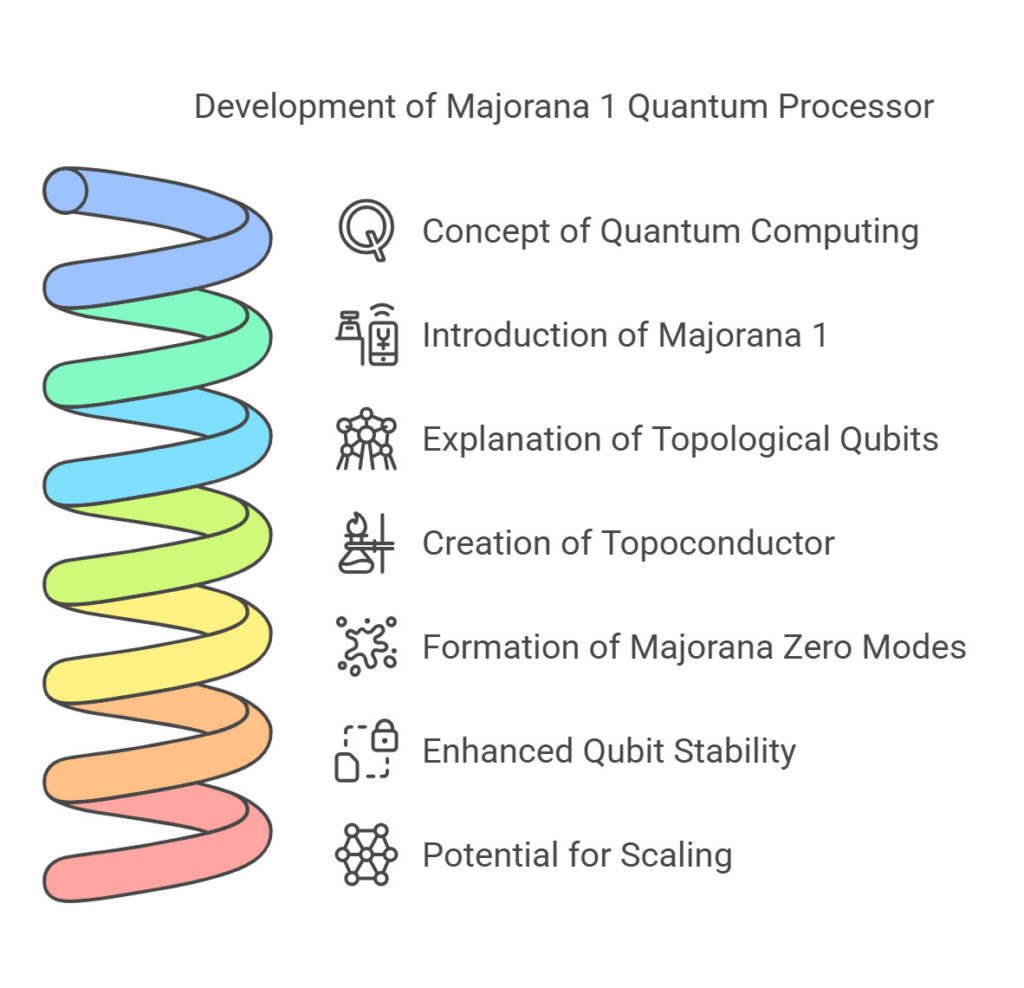
After nearly two decades of research, Microsoft has introduced its groundbreaking Majorana 1 quantum chip, marking a major step forward in quantum computing. Unlike conventional quantum chips, which struggle with stability and error rates, the Majorana 1 harnesses topological qubits—a revolutionary approach based on Majorana fermions, an exotic state of matter that offers enhanced stability and fault tolerance.
A New Era in Quantum Computing
The Majorana 1 currently contains eight qubits, but Microsoft’s ambitious roadmap aims to scale that number to one million. This aggressive expansion could bring commercially viable quantum computing within reach in years, not decades—a claim that puts Microsoft in direct competition with Google and IBM, both of whom have been racing to achieve quantum supremacy.
Why Majorana Qubits Matter
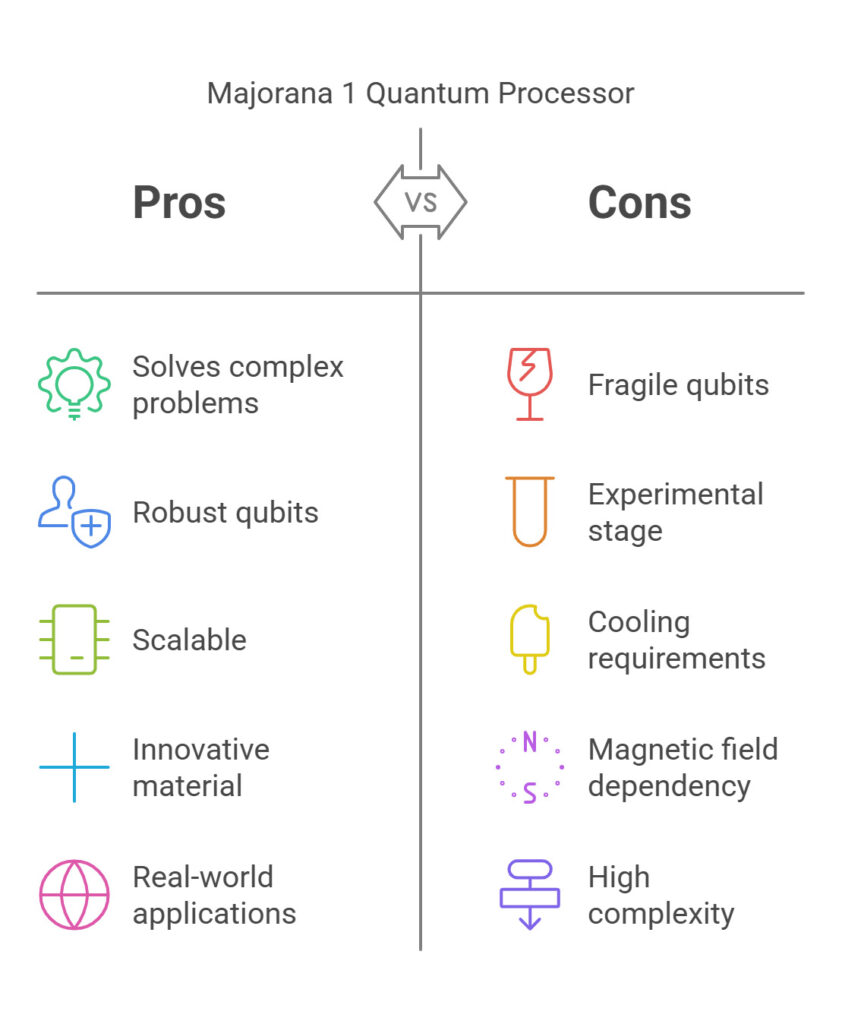
Microsoft’s breakthrough relies on a topological superconductor made of indium arsenide and aluminum, enabling the detection and control of Majorana particles. These qubits offer: ✅ Greater stability – reducing the common problem of decoherence. ✅ Lower error rates – making computations more reliable. ✅ Better scalability – paving the way for large-scale quantum machines.
The Race to Quantum Supremacy
While Google and IBM have pursued superconducting qubits, Microsoft’s approach using topological qubits could lead to more practical, error-resistant quantum computers. If successful, the Majorana 1 chip could accelerate advancements in cryptography, AI, material science, and complex problem-solving on an unprecedented scale.
With the quantum revolution drawing closer, Microsoft’s Majorana 1 chip may redefine the future of computing. Will this technology deliver on its promise of stable, large-scale quantum computing? Only time will tell.
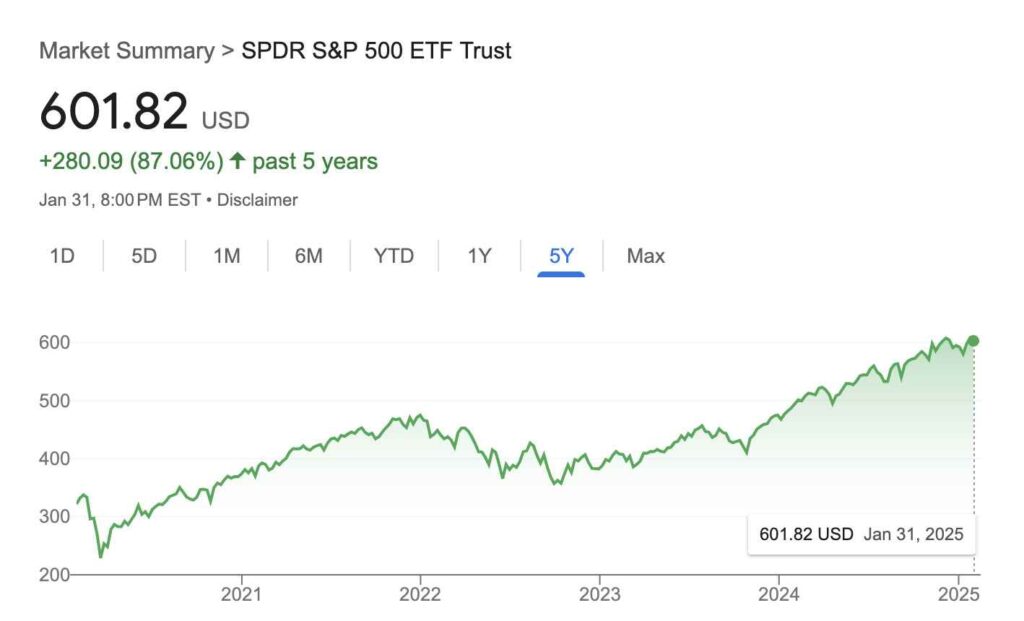
Vanguard’s S&P 500 ETF (VOO) has officially dethroned State Street’s SPDR S&P 500 ETF (SPY) as the world’s largest exchange-traded fund (ETF) by assets under management. This marks a major shift in the investment landscape, as SPY had dominated the market for over three decades.
VOO Takes the Lead
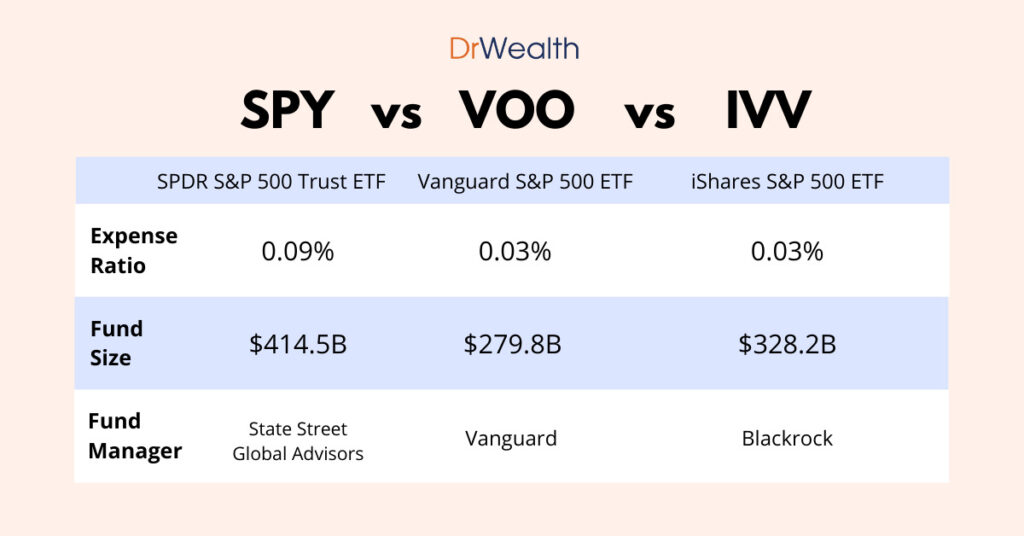
As of February 2025, VOO holds $632 billion in assets, edging out SPY, which now sits at $630 billion. The change in rankings is fueled by a massive $21.3 billion in inflows into VOO in January alone, accounting for 12.9% of all U.S. equity ETF inflows. Meanwhile, SPY experienced a sharp $19.4 billion in outflows, representing 25.7% of total U.S. equity ETF outflows.
Why Is VOO Winning?
One of the key reasons for VOO’s rise is its ultra-low expense ratio of 0.03%, significantly lower than SPY’s 0.0945%. Vanguard’s reputation for cost efficiency and long-term investing has attracted investors looking for lower fees and better compounding returns over time.
Another factor is the growing shift away from actively traded funds like SPY, which is often used for short-term trading. VOO, on the other hand, appeals to long-term investors seeking broad market exposure with minimal costs.
A Three-Way Race?
While VOO now leads, BlackRock’s iShares Core S&P 500 ETF (IVV) remains a formidable competitor, holding $609 billion in assets. IVV also offers the same low 0.03% expense ratio as VOO, making it a strong alternative for cost-conscious investors.
The Future of ETFs
The battle for ETF supremacy underscores a larger trend: investors are increasingly prioritizing low costs and long-term growth. Vanguard’s triumph signals a potential shift in ETF dominance, and it remains to be seen whether SPY can reclaim its top spot or if IVV will close the gap.
As competition in the ETF space intensifies, investors stand to benefit from lower fees and better investment options in the years ahead. 🚀📈
Deep in the cosmos, 900 light-years from Earth, lies WASP-121b, a world so extreme it defies imagination. Nicknamed Tylos, this exoplanet falls into the category of “ultra-hot Jupiters”—gas giants that orbit perilously close to their stars. Completing an orbit in just 30 Earth hours, Tylos endures scorching temperatures of 3,320°F (1,800°C), hot enough to vaporize metals.
The Fastest Winds Ever Recorded
Astronomers recently mapped Tylos’ atmosphere in unprecedented 3D detail, revealing a layered composition of iron, sodium, hydrogen, and titanium—elements carried by winds of unimaginable speed. A colossal jet stream, racing at 26.8 kilometers (16.7 miles) per second, now holds the record for the fastest known atmospheric winds in the universe.
Tylos (or WASP-121b) is a gaseous, giant exoplanet located some 900 light-years away in the constellation Puppis. Using the ESPRESSO instrument on ESO’s Very Large Telescope (VLT), scientists have been able to prove into its atmosphere, revealing its 3D structure. This is the first time that this has been possible on a planet outside of the Solar System. The atmosphere of Tylos is divided into three layers, with iron winds at the bottom, followed by a very fast jet stream of sodium, and finally an upper layer of hydrogen winds. This kind of climate has never been seen before on any planet.
A World of Extreme Contrasts
The planet’s day and night sides are locked in a battle of extreme temperatures, with a 1,250°F (950 Kelvin) difference driving these violent winds. Unlike Earth, where jet streams meander at a few hundred miles per hour, Tylos’ ferocious gales could circumnavigate our planet in just over a minute.
What Tylos Teaches Us
Studying such extreme exoplanets helps scientists understand atmospheric physics beyond our solar system. The chaotic winds of Tylos challenge our understanding of how weather works on distant worlds—offering clues to how gas giants evolve and survive under such hostile conditions.
As telescopes like JWST continue peering into the cosmos, Tylos is just the beginning. How many more unthinkable worlds are waiting to be discovered?
President Donald Trump’s nominee for Secretary of Labor, former Rep. Lori Chavez-DeRemer, is set to face intense scrutiny as she appears before the Senate Committee on Health, Education, Labor, and Pensions (HELP) for her confirmation hearing on Wednesday. The hearing, scheduled for 10 a.m., will see Chavez-DeRemer defend her pro-union stance, which has already drawn criticism from some Republicans, including Sen. Rand Paul (R-KY).
GOP Pushback Over the PRO Act
Sen. Paul has been vocal in his opposition, citing Chavez-DeRemer’s previous support for the Protecting the Right to Organize (PRO) Act, a bill aimed at strengthening union protections while overriding state-level Right-to-Work laws. “Her support for the PRO Act, which would not only oppose national Right-to-Work but also preempt state law, makes it hard for me to support her,” Paul stated.
The PRO Act, introduced in Congress several years ago, has been a contentious issue among Republicans. It would eliminate laws that prevent unions from requiring mandatory dues from workers—a position that aligns with union interests but clashes with traditional conservative values supporting worker choice.
Can Chavez-DeRemer Clarify Her Stance?
While Senate Majority Leader John Thune (R-SD) acknowledged that most Republicans have not supported the PRO Act in the past, he suggested that Chavez-DeRemer could ease concerns by addressing the issue during the hearing. However, as of the night before the hearing, she had yet to publicly clarify whether her stance on the PRO Act had changed.
Fox News Digital reached out to Chavez-DeRemer’s team for comment, but no response was provided.
A Contentious Path to Confirmation
If Paul votes against her or abstains, Chavez-DeRemer could face a deadlock in the committee vote. This would force her nomination to be reported without a favorable recommendation, meaning she would need 60 votes in the full Senate to secure confirmation—a tough hurdle given the divided stance within the Republican Party.
As the hearing unfolds, all eyes will be on Chavez-DeRemer’s responses and whether she can convince enough senators to back her nomination. Will she distance herself from her pro-union past, or double down on her stance? The outcome could have major implications for the future of labor policy under the Trump administration.