The United States Treasury has officially sanctioned Iranian national Behrouz Parsarad, the mastermind behind the Nemesis Darknet Marketplace, a notorious platform that facilitated the trade of illicit goods and services. This move comes as part of ongoing efforts to combat cybercrime and disrupt illegal online marketplaces.
Nemesis Market: A Hub for Illicit Trade
Nemesis Market, which was taken down in March 2024, had grown into one of the most active darknet marketplaces, with over 150,000 registered user accounts and more than 1,100 seller accounts. Operating on the Tor network, it provided an anonymous platform for criminals to engage in a wide range of illegal activities.
The marketplace offered a vast array of contraband, including narcotics, stolen financial data, counterfeit documents, and cybercrime tools such as Distributed Denial-of-Service (DDoS) attacks and ransomware services. From 2021 to 2024, Nemesis facilitated the sale of tens of millions of dollars worth of illicit substances, making it a prime target for international law enforcement agencies.
Parsarad’s Role and Financial Operations
Behrouz Parsarad played a central role in the operations of Nemesis Market, controlling both the platform and its associated cryptocurrency wallets. Through transaction fees and money laundering schemes, Parsarad profited significantly from the marketplace’s illicit activities.
Cryptocurrency transactions were the backbone of the marketplace, enabling anonymous financial exchanges that made it difficult for authorities to trace funds. However, blockchain forensic experts and federal agencies were eventually able to track and disrupt Nemesis Market’s financial infrastructure, leading to its shutdown.
U.S. Treasury Actions and Implications
In response to the operation of Nemesis Market, the U.S. Treasury’s Office of Foreign Assets Control (OFAC) imposed sanctions on Parsarad, effectively freezing his U.S.-based assets and barring American entities from engaging in financial transactions with him. These sanctions are part of a broader strategy to curb the influence of darknet marketplaces that fuel global crime syndicates.
By sanctioning individuals like Parsarad, the U.S. government aims to deter future cybercriminal activities and prevent darknet marketplaces from providing a safe haven for illegal trade. Law enforcement agencies, including the Federal Bureau of Investigation (FBI) and the Drug Enforcement Administration (DEA), continue to collaborate with international partners to dismantle similar operations worldwide.
The Fight Against Darknet Marketplaces
The shutdown of Nemesis Market is just one victory in the ongoing battle against cybercrime. Authorities have been cracking down on major darknet platforms, including previous operations targeting markets like AlphaBay, Silk Road, and Hydra. The challenge remains as new marketplaces emerge, often learning from past takedowns to evade detection.
As cybercriminals continue to adapt, law enforcement agencies are leveraging advanced technologies such as artificial intelligence, blockchain analytics, and international cooperation to track and dismantle these illicit platforms. The sanctions against Parsarad serve as a strong warning to those engaging in or facilitating illegal activities online.
Conclusion
The U.S. Treasury’s decision to sanction Behrouz Parsarad and dismantle Nemesis Market marks a significant step in curbing darknet-based crime. While the fight against illegal online marketplaces is far from over, these actions reinforce the message that cybercriminals will ultimately face justice. Moving forward, increased global collaboration and technological advancements will be crucial in preventing the resurgence of similar platforms in the future.
In today’s digital world, social media is an integral part of daily life. Studies show that adults spend nearly two hours daily on social media, while younger users often exceed five hours. This prolonged exposure raises important questions about its effects on both the body and mind. Recent research highlights how social media usage triggers distinct physiological and psychological responses, influencing everything from stress levels to memory perception.
Physiological Effects of Social Media Use
A study examining social media’s impact on the body revealed unique physiological responses when participants scrolled through platforms like Instagram. Researchers observed that participants experienced:
Slowed heart rates – indicating deep immersion and focus.
Increased sweating – a sign of heightened emotional engagement.
Reduced cognitive awareness – leading to a state of passive consumption.
Interestingly, when participants switched from social media to reading news articles, their heart rates increased, and sweating intensified. These changes suggest that consuming structured, information-heavy content can evoke stress and anxiety, whereas social media fosters a hypnotic, escapist experience.
Social Media and Addiction-Like Symptoms
Another key finding was the craving for social media when participants were disconnected. This craving closely mirrors addiction-like symptoms, including:
A need for prolonged engagement to maintain satisfaction.
However, the study found that physiological effects were consistent across all participants, regardless of their self-reported addiction levels. This suggests that even casual users experience profound bodily changes while engaging with social media.
Psychological Impact: Distorted Memory and Perception
Beyond its physiological effects, social media also influences memory and perception.
Unrealistic Benchmarks – Exposure to highly curated celebrity lifestyles and influencer content sets unattainable standards, leading to:
Lower self-esteem
Body image issues
Dissatisfaction with personal achievements
Reinforced Echo Chambers – Algorithms designed to personalize content contribute to confirmation bias, limiting exposure to diverse perspectives. Users become trapped in self-reinforcing loops that:
Distort reality by favoring extreme or sensational content.
Reduce critical thinking by discouraging independent analysis.
Reduced Attention Span – The rapid, dopamine-driven reward system of social media shortens focus duration, making it harder to engage with long-form content or deep conversations.
Conclusion
Social media’s influence on both body and mind is undeniable. From slowed heart rates and stress responses to memory distortion and addiction-like behaviors, its effects go beyond simple entertainment. While platforms offer connection and information, their psychological and physiological impact necessitates greater awareness and moderation. Balancing social media use with real-world interactions, mindful consumption, and digital detoxes may help mitigate its negative effects and promote healthier engagement.
Rabbi Elharar’s Teshuat Columbia program—giving hope to the poor families of Columbia, providing food and clothing once a month
The Shehebar Sephardic Center (SCC) trains and sends rabbinical leaders to the four corners of the earth helping to revive dying communities by instilling Jewish values and practices, educating Jews about their history, preventing assimilation and assuring continuity. Their work is possible thanks to Rabbi Sam Kassin and Rabbi Eli Shamoula of the SSC in Jerusalem
These newly ‘emerging’ communities are provided with rabbinical leaders who are able to transform these communities into thriving Jewish centers. This highly accredited leadership program has given its rabbis skills in public speaking, substance abuse, philosophy, psychology and family counseling, and shochets and mohels are trained in order for these communities to sustain their rich heritage and provide for all their needs. During the course of the next decade, they hope, with G-d’s help, to be able to place 100 additional rabbis in communities throughout the world.
BlackRock, the world’s largest asset manager, is set to acquire a majority stake in key ports along the Panama Canal in a landmark $22.8 billion deal. This transaction includes the strategic ports of Balboa and Cristobal, previously under the ownership of Hong Kong-based CK Hutchison. The acquisition marks a significant shift in control over critical maritime infrastructure, addressing growing concerns over foreign influence in the region.
Under the agreement, BlackRock and its consortium partners will hold a 90% interest in the Panama Ports Company. This deal extends BlackRock’s reach across the global shipping industry, granting it control over 43 ports worldwide, with a total of 199 berths spanning 23 countries.
Addressing U.S. Concerns Over Chinese Influence
The acquisition aligns with U.S. policy objectives, particularly those of President Donald Trump, who has raised alarms over China’s growing presence in the Panama Canal. The waterway is a critical link in global trade, with approximately 70% of its traffic consisting of U.S.-bound shipments. Trump previously criticized Panama’s decision to lease ports to Chinese companies, asserting that the U.S. must regain influence over the canal to protect national security and economic interests.
Economic and Strategic Importance of the Panama Canal
Originally constructed in the early 1900s, the Panama Canal was controlled by the United States until its official transfer to Panama in 1999. The canal plays a crucial role in international trade, handling nearly 4% of global maritime commerce. In 2024 alone, it generated $5 billion in profits, contributing to approximately 23.6% of Panama’s total national income.
With this deal, BlackRock is set to enhance port operations, increase efficiency, and potentially invest in infrastructure improvements to accommodate growing global trade demands. The acquisition also underscores the increasing privatization of critical infrastructure worldwide, sparking debates over corporate influence on geopolitics.
Next Steps and Future Implications
The deal is expected to be finalized following regulatory approvals from both Panamanian and U.S. authorities. While BlackRock has stated its commitment to maintaining operational stability and fostering economic growth in Panama, opposition voices have raised concerns over corporate monopolization of key trade routes.
As the global economic landscape continues to evolve, this acquisition will likely shape the dynamics of trade, international relations, and economic power shifts in the years to come.
In his latest address to Congress, President Donald Trump unveiled a series of major economic and foreign policy initiatives, including new tariffs, trade adjustments, and diplomatic efforts concerning the war in Ukraine. The speech underscored his administration’s stance on trade, immigration, inflation, and federal spending while taking sharp aim at the policies of his predecessor.
New Tariffs on Mexico, Canada, and China
President Trump confirmed the implementation of 25% tariffs on goods imported from Mexico and Canada and a 10% tariff on Chinese imports. He argued that these measures were necessary to protect American industries and workers, emphasizing his administration’s commitment to ensuring fair trade practices.
Trump also announced a policy of reciprocal tariffs, stating that any country imposing taxes on American imports would face similar levies in return. “If they tax us, we will tax them,” he declared, reinforcing his administration’s protectionist stance on global trade.
Ukraine War and Zelensky’s Willingness to Negotiate
On the international front, Trump addressed the ongoing war in Ukraine, calling it a “horrific and brutal conflict” that demands a peaceful resolution. He revealed that Ukrainian President Volodymyr Zelensky had reached out, expressing a willingness to negotiate. Trump positioned himself as a potential mediator in ending the war, aligning with his long-standing stance of prioritizing diplomacy over prolonged conflict.
$5 Million ‘Gold Card’ for US Residency
A surprising policy announcement came in the form of a $5 million ‘gold card’ initiative, which would grant permanent U.S. residency to foreign nationals willing to invest significantly in the American economy. The proposal is expected to stir debate over immigration and economic policy, with supporters praising its potential economic benefits and critics warning against selling residency status to the highest bidder.
Blaming Biden for Inflation and Rising Prices
Trump was quick to blame the previous Biden administration for ongoing inflation, particularly in the food sector. He pointed to the 37% surge in egg prices over the past year, claiming that reckless spending and poor economic policies had fueled the cost-of-living crisis.
His remarks reflected a broader effort to contrast his economic policies with those of his predecessor, asserting that his administration was making strides in bringing down inflation and stabilizing prices.
Trump’s Approval Rating and Praise for Elon Musk
Trump highlighted what he called a 27-point swing in his approval rating since taking office, attributing the increase to his administration’s strong economic performance and decisive leadership.
Additionally, he praised Elon Musk for his efforts in combating federal waste and fraud, citing Musk’s initiatives as an example of private-sector efficiency that the government should emulate.
Looking Ahead
President Trump’s address set the stage for the next phase of his administration, outlining a mix of aggressive trade policies, diplomatic engagement, and economic reforms aimed at reshaping America’s domestic and international standing. As debates unfold over the impact of tariffs, Ukraine peace talks, and economic policies, the nation will closely watch how these initiatives influence the economy and global relations in the coming months.
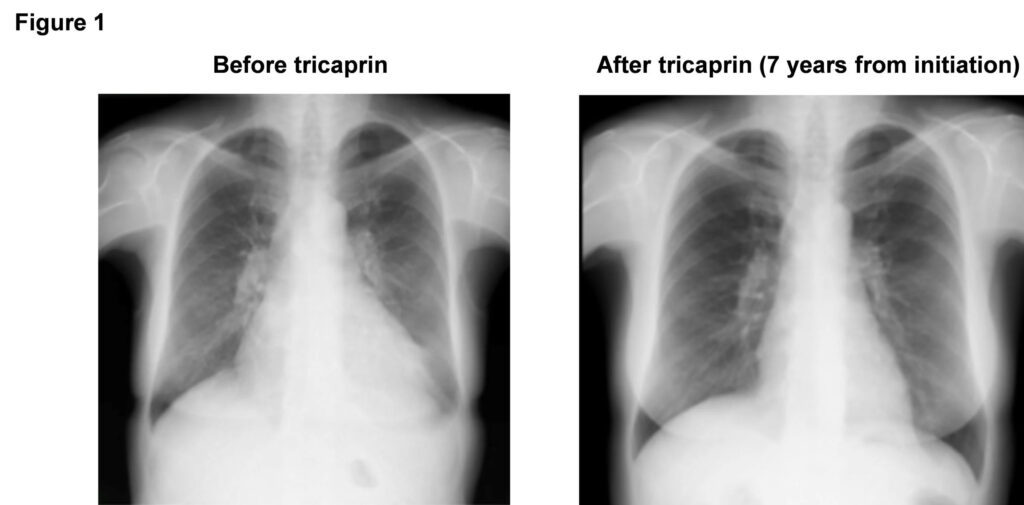
A recent study has revealed that tricaprin, a naturally occurring supplement, offers significant benefits in improving survival and recovery for patients suffering from triglyceride deposit cardiomyovasculopathy (TGCV), a newly identified and severe heart condition. The findings indicate that tricaprin could be a game-changer in cardiovascular treatment, providing new hope for those affected by the disease.
Understanding TGCV
TGCV is a rare and debilitating heart disease characterized by the heart’s inability to effectively break down triglycerides. This dysfunction leads to the accumulation of fatty deposits in the coronary arteries, resulting in severe damage and, in many cases, heart failure. Given the progressive nature of TGCV and its impact on cardiovascular health, effective treatments have remained elusive—until now.
The Study and Key Findings
The groundbreaking research examined the effects of tricaprin on 22 patients diagnosed with TGCV, comparing their outcomes to a control group of 190 patients who did not receive the supplement. The results were compelling:
100% survival rate at three and five years for patients taking tricaprin.
Significantly lower survival rates in the control group—78.6% at three years and 68.1% at five years.
Improved heart function and structural recovery in those treated with tricaprin.
The study also highlighted that many participants who benefited from tricaprin had previously undergone hemodialysis, indicating its potential therapeutic advantages even for patients with existing severe health conditions.
The Mechanism Behind Tricaprin’s Effectiveness
Tricaprin is a medium-chain triglyceride (MCT) known for its unique metabolic properties. It helps to facilitate the breakdown of triglycerides, preventing their harmful buildup in the cardiovascular system. By improving lipid metabolism, tricaprin reduces stress on the heart, enhancing both its structure and function over time.
Future Implications and Next Steps
These promising results suggest that tricaprin could become an essential component of treatment strategies for TGCV. However, further large-scale clinical trials are necessary to validate the findings and explore its potential use for broader cardiovascular conditions.
Researchers are optimistic that tricaprin’s success in treating TGCV could pave the way for its application in managing other lipid-related heart diseases. Given the high survival rates observed in the study, medical professionals are calling for increased attention to tricaprin as a potential life-saving intervention.
Conclusion
The discovery of tricaprin’s efficacy in treating TGCV marks a significant step forward in the fight against heart disease. With its ability to enhance heart function, improve survival rates, and offer hope to patients with limited treatment options, tricaprin could soon become a vital tool in cardiology. As further research unfolds, the medical community remains eager to explore the full potential of this remarkable natural supplement.
FILE PHOTO: A SpaceX Falcon 9 rocket with the Dragon capsule launches from Pad-39A on the Crew 5 mission carrying crew members commander Nicole Mann, pilot Josh Cassada, Roscosmos cosmonaut Anna Kikina and Mission Specialist Koichi Wakata from the Japan Aerospace Exploration Agency (JAXA) to the International Space Station from NASA's Kennedy Space Center in Cape Canaveral, Florida, U.S. October 5, 2022. REUTERS/Joe Skipper
SpaceX is making a significant investment in Florida’s aerospace infrastructure, committing $1.8 billion to expand its operations at NASA’s Kennedy Space Center (KSC) and Cape Canaveral Space Force Station. This ambitious project is expected to create 600 new jobs by 2030 and reinforce Florida’s position as a global leader in space exploration.
Expansion Plans: New Launch Pads and Processing Facilities
The investment primarily focuses on enhancing SpaceX’s Starship program, the company’s next-generation, fully reusable spacecraft designed for missions to the Moon, Mars, and beyond. As part of the expansion, SpaceX will construct new Starship launch pads, processing facilities, and infrastructure to support increased flight frequency and payload capacity.
A centerpiece of the project is the new “Gigabay” facility, a state-of-the-art Starship production and integration center. This facility will stand 380 feet tall and span 815,000 square feet—making it 11 times larger than SpaceX’s current facilities in Boca Chica, Texas. The Gigabay is designed to streamline the production and assembly of Starship components, significantly boosting SpaceX’s ability to meet the growing demand for space missions.
Regulatory Review and Environmental Impact
While SpaceX has secured the necessary funding and support for the project, the expansion is currently undergoing an environmental review by the U.S. Air Force. The review aims to assess the potential impact of increased launch activity, construction, and operational changes on Florida’s coastal ecosystems and nearby communities. A final decision on the review is expected later this year.
Economic and Strategic Impact
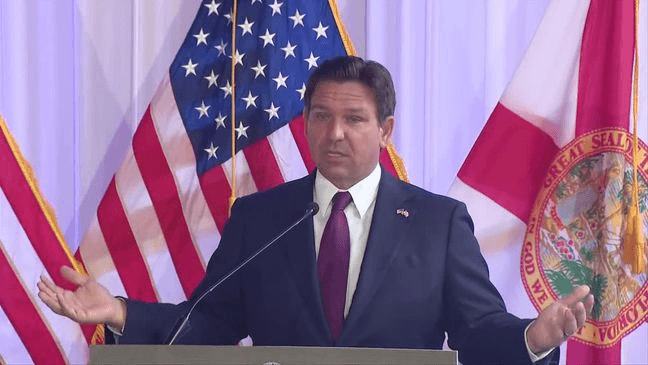
Florida Governor Ron DeSantis praised SpaceX’s commitment, emphasizing the state’s growing role in the aerospace sector. “With this investment, Florida is solidifying itself as the future of space exploration,” DeSantis said in a recent statement. The new jobs created by this project will include highly skilled positions in engineering, manufacturing, and operations, further strengthening Florida’s space economy.
This expansion also aligns with broader national interests, as the U.S. continues to push for advancements in space exploration and defense capabilities. SpaceX’s Starship program plays a key role in NASA’s Artemis program, which aims to return humans to the Moon and establish a long-term presence there.
Looking Ahead
As SpaceX moves forward with its plans, Florida’s Space Coast is set to see increased economic growth, technological innovation, and job opportunities. With the ongoing development of Starship and its critical role in future space missions, SpaceX’s $1.8 billion investment represents a pivotal moment in the evolution of commercial spaceflight.
Pending regulatory approval, construction of the new facilities is expected to begin later this year, with full operational capability targeted before the end of the decade.
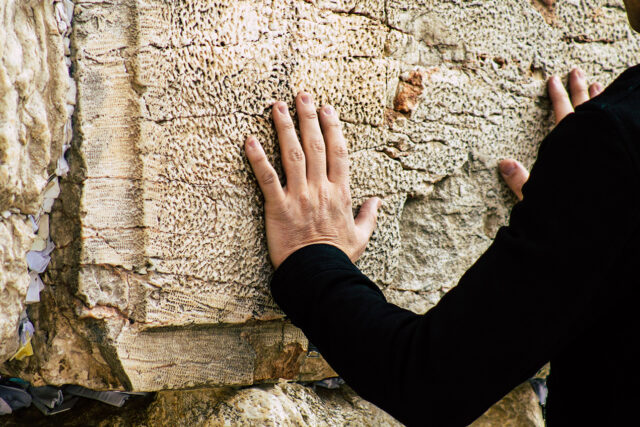
Jerusalem Israel December 12, 2019 View of unknown people praying front the Western Wall at the Old city of Jerusalem in the morning
Meditation has been at the heart of Jewish spirituality for centuries. In ancient times, it offered rabbis a gateway to connect deeply with Hashem, aligning themselves with divine wisdom. Practices like hitbodedut—a personal and heartfelt dialogue with Hashem—empower individuals to pour out their emotions through reflection and introspection. These sacred traditions form the foundation of my work, translating timeless practices into transformative experiences for the modern soul.
One extraordinary story became the cornerstone of my journey into meditative healing—a true testament to the incredible power of the mind and the connection between our thoughts and healing. This is the story of a young person who experienced a devastating accident, leaving him completely paralyzed. Doctors believed he had no chance of recovery, but he believed otherwise. He had deep knowledge about the power of the mind and used visualization to shape and manifest the reality he desired. Every day, he envisioned his future self, feeling fully healed, strong, and vibrant, bringing that vision into the present moment. He imagined walking, eating by himself, and performing even the smallest daily tasks with ease. His passion and vision were so vivid and unwavering that they became his reality. In just 11 weeks, he defied all odds and began walking. By the 12th week, he returned to work, proving that healing is not only physical but also deeply tied to belief, focus, action, and most of all, connection to the Creator. When I shared this miraculous story during a speech, something incredible happened. The audience was so inspired that they asked me to create a meditation focused on healing the body. I poured my heart into crafting that meditation, weaving together ancient Jewish wisdom and modern mindfulness techniques. The response was overwhelming, confirming the deep need for healing and spiritual connection through these transformative practices.
Participants reported profound physical and emotional healing, and the meditation’s success opened the door to what has now become my life’s work. Today, thank G-d, I have led countless meditations that bring light, healing, and inspiration to many. These guided meditations create a sacred space where individuals can connect to Hashem, the ultimate source of all healing and wisdom. Each session is infused with the values of the Torah and the light of the Creator. My meditations are carefully reviewed and approved by Rabbi Malka of New Jersey. I am deeply grateful to Rabbi Malka for his guidance and support, which ensures that my work aligns with Torah teachings and helps participants grow closer to Hashem. Through my meditations, I focus on themes like healing the body, cultivating self-love, being comfortable in one’s own skin, embracing the inner child, building confidence, relieving stress and anxiety, and helping participants recognize their divine uniqueness. Every session is an invitation to step into a space of empowerment, safety, and deep spiritual connection.
Meditation: A Tool for Transformation Some of my meditations also incorporate powerful prayers and blessings. By meditating on these blessings, participants connect to Hashem in profound and transformative ways, bringing healing to the mind, body, and soul.
Healing the Inner Child Another deeply rewarding aspect of my work is guiding participants in healing their inner child through upcoming meditations. Through sessions like Healing and Embracing the Inner Child with Hashem’s Light, I help participants experience emotional healing and spiritual renewal.
Exciting Announcements!
WhatsApp Community for Jewish Spiritual Healing I have started a WhatsApp chat, b’ezrat Hashem, which has been receiving great feedback. This WhatsApp group is where I post a variety of content, including inspirational messages, Jewish spiritual healing insights, daily or weekly tips. Often, I record snippets of my weekly speeches and share updates on upcoming events that I will be hosting.
New Three-Part Meditation Series Starting Soon! I’m absolutely thrilled to announce an upcoming three-part meditation series that will guide you through deep healing, forgiveness, and powerful spiritual growth. These transformative sessions are designed to help you reconnect with your divine light and experience profound change. If you’re ready to embark on this journey, reach out to me directly to learn more or to reserve your spot.
Special Meditation Event at DSN! I’m also excited to announce that I’ll be leading a special meditation at DSN on Thursday, March 27th, at 12:30 PM sharp! This session will be a powerful opportunity to experience healing and spiritual connection in a group setting. I can’t wait to share this sacred moment with you all.
Helping the Next Generation Recently, I’ve introduced children’s story-time meditations. These imaginative sessions guide young ones through feelings of anger, anxiety, and fear, helping them develop emotional regulation and spiritual grounding. Using relatable characters to connect them to Hashem’s guidance and love, these meditations are transforming how children understand and manage their emotions. Whether you’re seeking group sessions, personalized meditations tailored to your needs, or creative tools for children, my goal is to help you rediscover the divine light within you. Through the power of Jewish meditation, you can experience physical, emotional, and spiritual healing while deepening your connection to Hashem. Let’s embark on this transformative journey together. To learn more about my meditations or to schedule a session, please contact Esther Azizo at BeMindfulMeditation8@gmail.com.Together, we can uncover the limitless potential of connecting to Hashem through meditation and bring healing and light into every aspect of our lives.
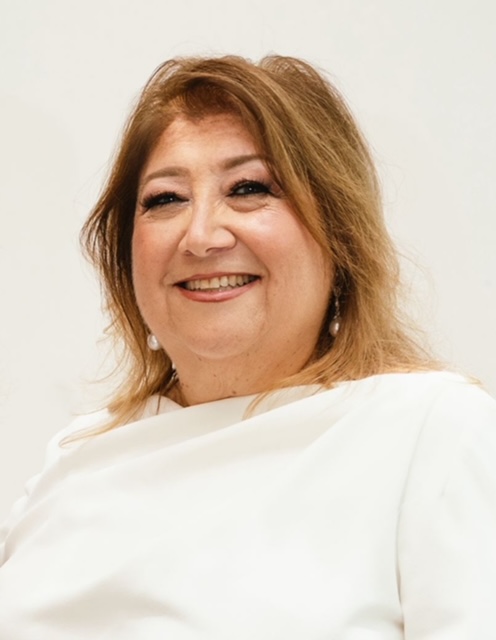
Esther Azizo is a Jewish meditation guide, specializing in spiritual healing through Torah-infused mindfulness practices. Her transformative meditations help individuals connect deeply with Hashem, fostering emotional, physical, and spiritual well-being. With guidance from Rabbi Malka, she leads personalized and group sessions that inspire healing, self-growth, and inner peace.
Cake stand with macaroons, mini cakes, cookies for tea.
The Art of Mindful Eating
Do you stress over what you may eat before going to an event? Do you have a wedding, bar mitzvah, bris, or engagement to attend that feels like every night? Social get-togethers can be a blast—there’s good music, good people, and, of course, good food. But for some, the food at these parties can feel overwhelming. We are blessed as a community to have so many happy occasions, but for many, the menus at these functions can be daunting.
Do you go to parties so hungry that, ten minutes in, you don’t even realize what you ate? Sound familiar? You’re not alone. We all know what it’s like to mindlessly graze, only to unconsciously consume an entire day’s worth of calories in just a few hours. Granted, festivities are meant for enjoyment, but between the socializing, the music, and the energy, it can be all too easy to lose sight of mindful eating. Mindful eating is a crucial component of overall health, from the portions on your plate to the feelings you have about food.
What Is Mindful Eating? One of the best ways to understand mindful eating is to break down the meaning of “mindfulness.” Mindfulness is “the practice of maintaining a nonjudgmental state of heightened or complete awareness of one’s thoughts, emotions, or experiences on a moment-to-moment basis.” In short, mindfulness is noticing what is happening as it’s happening, in a nonjudgmental manner. Mindful eating takes this concept and applies it to food. When you eat in the moment, you are fully present with your meal as you cook, serve, and eat it. Mindful eating also involves recognizing your emotional and physical responses as you eat. Every bite comes down to being fully present in the experience of eating. Many times, we are on autopilot during our day-to-day routines. Paying more attention to what you eat can put you on a healthier track. With this type of awareness, you create the opportunity to control your eating behaviors. In turn, you’ll be more likely to align your lifestyle and habits with your health and wellness goals. When you’ve got weddings and parties on the calendar, it can be difficult to find the mental space to practice mindful eating. With the right approach, though, it is possible to apply basic principles while still celebrating.
How Social Gatherings Challenge Mindful Eating From enticing dessert tables to sugary punch bowls, social gatherings are notorious for putting mindfulness to the test. That’s because we eat more when we’re with other people. Social eating enables bonding—the act of eating and talking creates a positive atmosphere. These experiences typically elicit joy and relaxation, which only fuels the tendency to keep eating. It’s all thanks to endorphins, the “feel-good” hormones typically associated with a runner’s high. Eating activates our endorphin systems, much like laughing and dancing. This release of endorphins promotes a sense of closeness with the people we’re enjoying the activity with, which releases even more endorphins. Basically, we eat more at parties because it makes our brains happy. We know overindulgence can disrupt an otherwise healthy diet, and strict eating rules can take the fun out of food—so how can one find balance?
How to Practice Mindful Eating at Parties When you’re at a social function, thinking about mindful eating might feel like an extra task. But with these simple tips, you can allow room for awareness and presence to naturally flourish while still enjoying the gathering. As with any lifestyle practice, it’s best to adopt these tips gradually, aiming for small changes. Over time, mindful eating will become second nature—your plus-one at every event.
Eat Before You Leave One of the simplest ways to control your appetite at a party is to take charge before you even arrive. Most of my clients think that when they are going to a party where they will eat a lot, they shouldn’t eat all day. But I have taught my clients that when you show up with this mindset—and an empty stomach—you create the opportunity for ravenous overeating. Instead, eat a snack with protein and fiber before you leave the house. These nutrients are extremely filling, so you’ll feel satiated for a long time.
Bring the Snacks It’s tricky to attend a party when you don’t know what’s on the menu. Depending on the host or event, you might already expect a variety of calorie-laden sweets and dishes. Offer to bring a healthy appetizer—like a veggie tray with hummus or guacamole—to the gathering. By contributing nutritious options to the party, you’ll be able to enjoy both healthy and indulgent foods. Plus, bringing a dish is a great way to show your appreciation for the host’s hospitality. Obviously, when it comes to events like weddings, this isn’t always an appropriate option. In those situations, eating a pre-party snack is your best bet.
Mingle Away from the Food Walk away from the buffet. Invite a friend to sit at a table or move to another area of the venue. By relocating yourself, you can avoid mindlessly refilling your plate as you mingle.
Eat Slowly Thanks to the high energy of social gatherings, it can be tempting to grab hors d’oeuvres quickly. But when you take the time to chew and eat slowly, you’ll have more control over your eating. It takes about 20 minutes for fullness signals to reach your brain. Eating slowly gives your body enough time to process these signals. While you’re at it, use this time to truly savor the food. Pay attention to the flavor, texture, and aroma. Notice how you feel. With these simple check-ins, you’ll automatically be more in tune with the food you’re eating.
Drink Water Staying hydrated is always essential, whether you’re at home or sweating in a hot yoga class. But when it comes to social gatherings, drinking water can completely transform your eating behaviors. Water increases the feeling of fullness and helps reduce food intake. Dehydration can even disguise itself as hunger, so try sipping on water before and during the party. If you’re truly hungry, you’ll still feel the hunger after drinking water. For many people, eating at parties is a habit born out of nerves. Grabbing and eating food gives them something to do with their hands while making small talk or standing alone between conversations. If that’s the case for you, holding and drinking a glass of water can act as a stand-in for those chocolates you can’t stop popping. Indulge Selectively Allowing yourself to enjoy your favorite treats will keep your cravings in check. People who strictly avoid the foods they crave often develop an even greater craving for that food. Most people who forbid themselves from having any sweets are more likely to either overeat dessert at the party or go home and binge on sugar because they felt deprived. Instead, aim for balance. Eat a plate of food that makes you feel good, then enjoy one item from the dessert table. This way, you satisfy your cravings without overindulging.
Finding Your Balance It will take time to master these habits. There are many factors to consider, including your current eating behaviors and how often you attend social gatherings. But as you repeatedly practice mindful eating, you’ll eventually find a style that works for you. Eating is more than just physical fuel—it’s a social, cultural, and emotional experience. When you make the effort to connect with each of these aspects, you’ll be able to eat, drink, and be happy in the most mindful way possible.
Laura Shammah MS, RDN specializes in eating disorders but has clientele that run the gamut from people dealing with PCOS, infertility hypertension, high cholesterol, Crohn’s disease, diabetes and cancer. She also helps clients who run in marathons, are pregnant and those who would like to lose or gain weight in a healthy way.
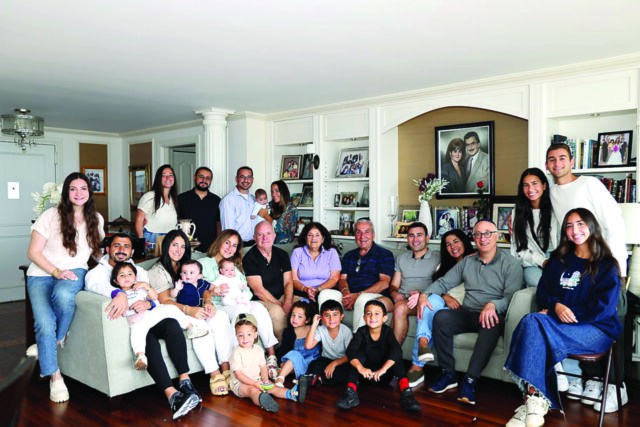
Haiti was the magical island, full of palm trees and lush flora, where Micheline Caracocly nee Chrem, grew up. The youngest of five children born to Antoine and Salha Chrem (nee Safdieh), Egyptian Jews, Micheline has fond memories of life in Haiti.
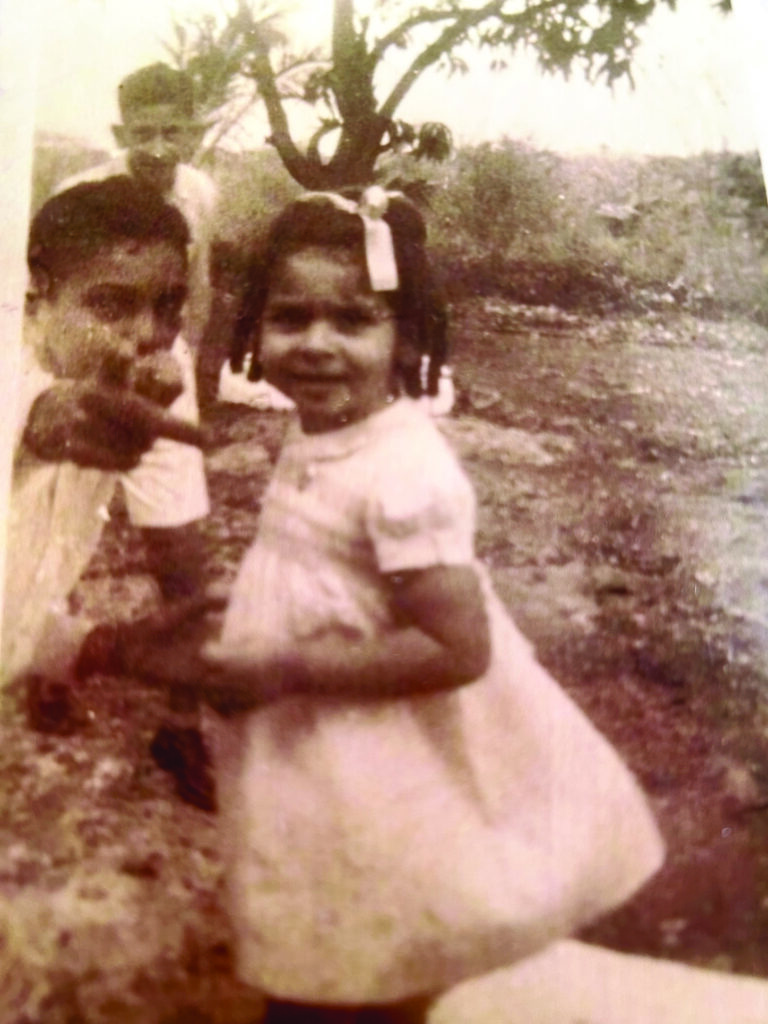
Rose Dana, Micheline, Esther and Molly ChremRaymond Dana and Micheline, cousins
Sephardic Jewish families have been in Haiti since the 1492, when Luis De Torres, an interpreter for Christopher Columbus, settled there. Haiti was colonized by the French in 1633 and Dutch Jews from Brazil, who were employees of sugar plantations, emigrated to Haiti. A few years ago, archaeologists uncovered an ancient synagogue of Crypto-Jews in the city of Jérémie, the only one found on the island At the end of the 19th century, approximately 30 mostly Sephardi Jewish families had arrived from Lebanon, Syria, and Egypt; many Jews from the Middle East felt secure emigrating to Haiti, as a law in France had been passed during this period that gave French citizenship to minorities in the Americas. Antoine Chrem was among those who arrived in Haiti during this period. From 1915 to 1934, the United States occupied Haiti to stabilize its political and financial interests. During that time, many Syrian Jewish families settled there including the Ades, Suttons, Danas, Dayans, Bijous, Bigios, Silveras, Ashkenazies and Shaloms. Gilbert Bigio has been the unofficial leader of the Sephardic community in Haiti. Bigio owns the only Torah in all of Haiti. He serves as Israel’s Honorary Consul to Haiti. Gilbert Bjgio’s uncle went to Haiti in 1896 and his father followed during World War I, when he was escaping the Ottoman Empire and conscription in the Army. Antoine Chrem had a good business selling textiles. In those days, people bought the fabric and took it to a tailor to make their clothing. Jews generally preferred to settle on the coastline in port cities, as many were involved in commerce and trade, establishing communities in major industry centers. Antoine’s mother wanted him to marry a Jewish woman so she went to Egypt and found Salha, age 16. Salha had lost mother her as a young child and was working. Antoine’s mother convinced her to marry Antoine and told her she was going to America. Salha was enticed by going to American and insisted on bringing her younger brother. Once in Haiti, Salha was disappointed as she thought she was going to America. Antoine and Salha married in 1923 in Haiti and had five children–Isaac, Esther, Molly, Albert, Micheline. They lived in Porto Prince. Micheline remembers a very large home with many servants who cooked, did gardening and other chores. “There were no Jewish schools or synagogues,” she said. “So the Jewish children attended the public schools, which were all Catholic. The nuns used to kneel and make the cross. At one point, my older brother was doing it and when my mother found out, she took him out of school. They wanted him to be a priest. There was a lot of non-Jewish influence. That’s why people sent their daughters to Brooklyn, to get married.” Although there was no official Jewish sector in Haiti, the Sephardic Jews settled in neighborhoods surrounding Port-au-Prince. Unlike the Jewish communities of Curacao and Suriname, the Jews of Haiti had no synagogue, no rabbi, no schools, and no community center of their own. Since there was no rabbi or center of Jewish life on the Island even the Jewish ritual of circumcision had to wait until a mohel was brought in from the United States. The ritual might be delayed for years. For example, Elie Abady did not receive a bris until the age of two. On holidays, local Jews got together in the Bigio home, which was large enough to accommodate services. The community would bring a rabbi to the island for the holidays. On Passover, they brought matza and whatever else they needed was shipped in. If someone had a boy, they had to wait for a mohel to come to do the bris. “We kept the religion. My mother koshered the beef herself. We kept Shabbat and all the customs,” said Micheline. “She did a fantastic job to make sure we kept our religion and heritage.” Micheline’s best friend was Irene Bigio. Irene came to Brooklyn a few years after Micheline. “I was 11 when I came to Brooklyn in 1954. I stayed with my older sisters in Bensonhurst and went to Seth Low JHS and Lafayette HS. My sisters were working in the city. A neighbor took me to school and picked me up. I learned English from watching TV and from school. It was a big adjustment. I had an Italian friend, Maria from Italy.” Isaac Caracocly left Egypt with his brother Albert during the time of Nassar, when Jews were expelled. He attended Mirrer Yeshiva on Ocean Parkway. Micheline married Isaac, also from Cairo, on Nov 25, 1962. Married 62 years, they have three daughters, Ninette a”h, Sharon and Jacqueline. She worked with her husband in the jewelry business, selling women’s accessories and handbags. Micheline enjoys spending a few weeks in Florida each winter with her family, especially her grandchildren and great grandchildren.
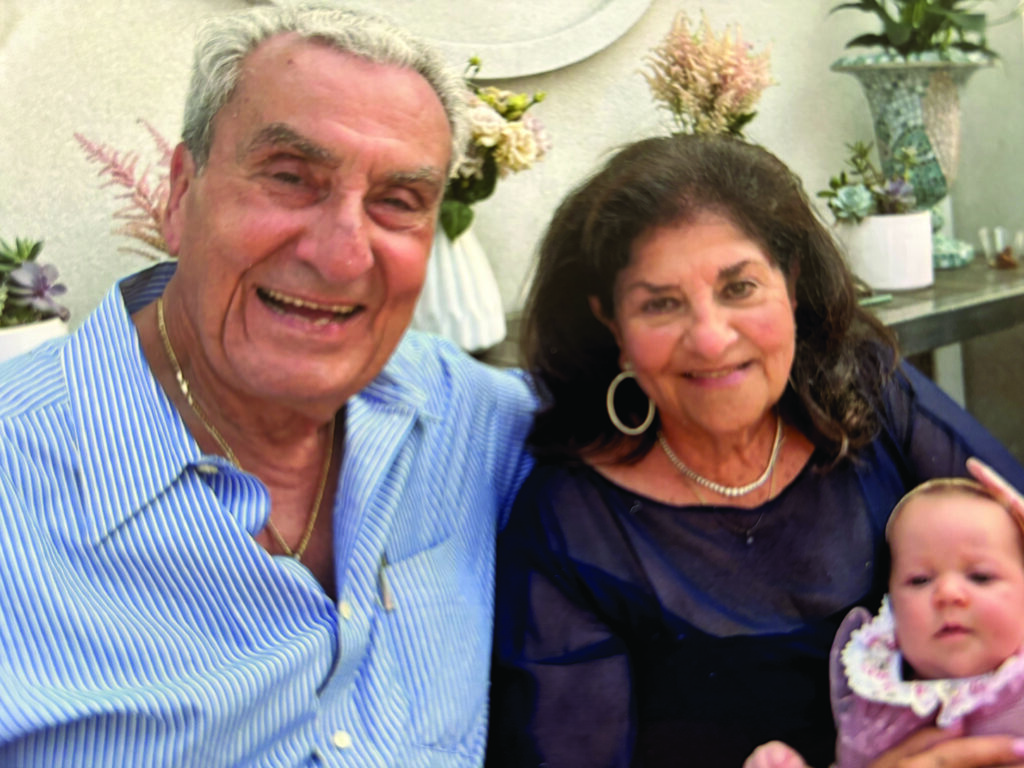
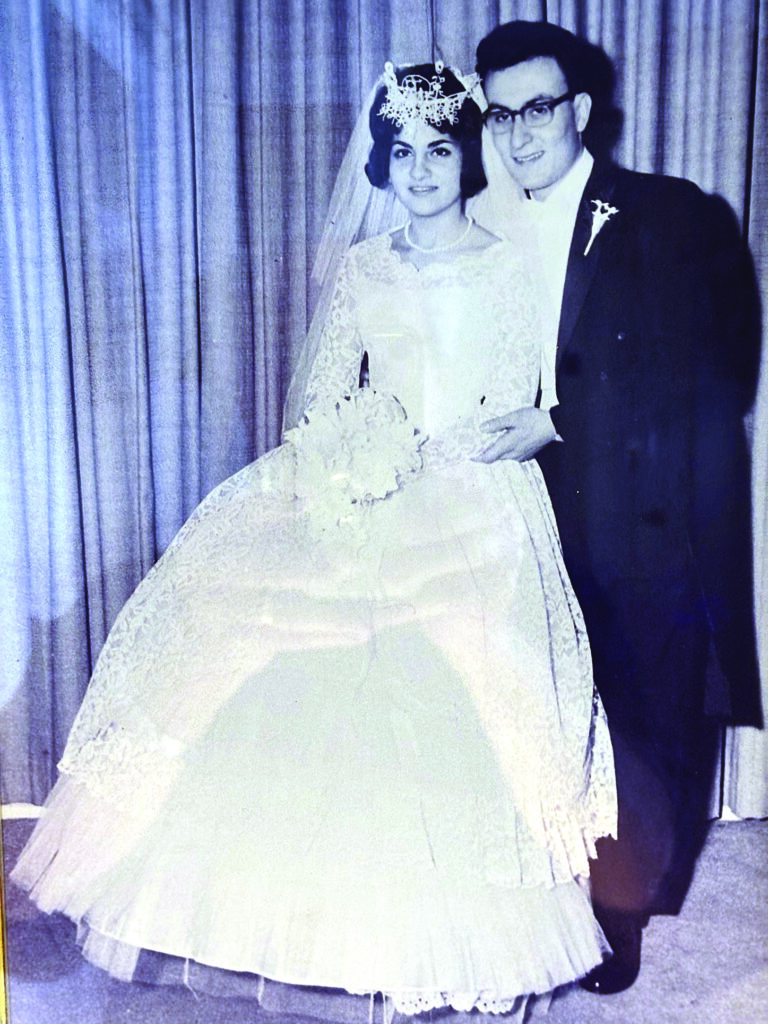
Micheline and Isaac CaracoclyThe wedding of Micheline and Isaac Caracoly on Nov 25, 1962
A genealogist and historian, Sarina Roffé is the author of Branching Out from Sepharad (Sephardic Heritage Project, 2017). She is researching a new book: Syria – Paths to Freedom. Sarina holds a BA in Journalism, and MA in Jewish Studies and an MBA.
IMAGINE BEING AWAY FROM HOME ON A BUSINESS TRIP IN HONG KONG, A LARGE BUSTLING ASIAN CITY. YOU ARE ALONE WITH FEW FOOD OPTIONS, NO FRIENDS, NO ONE TO PRAY WITH AND A PARTIAL SUITCASE FULL OF CANNED SOUP AND CRACKERS. THERE IS NO KOSHER FOOD AND CERTAINLY NO KOSHER FOOD FOR SHABBAT. AROUND YOU ARE THOUSANDS OF CHINESE PEOPLE.
The earliest Syrian travelers—the Seven Orient Originals—were Albert (Bero) Chehebar, Manny Haber, Alfred Sutton A”H, Ralph Harary A”H, Jack E. Mamiye, Joseph M. Sutton (Joe “Camera”), Ralph S. Tawil A”H and Saul H. Tawil. These men had to make grave sacrifices while overseas to make a living for their families, all the while keeping with tradition and religion. They did their best.
A famous story highlights just one small sacrifice that they had to deal with. Sunset was nearing on a Friday night, and they realized they didn’t have any more kosher grape juice. There was no supermarket that they could just run to to buy it. There were no Jewish people who they could ask for grape juice. Instead, they quickly ran to a local supermarket, bought grapes and squeezed them into a cup, so they had wine, so to speak, for Friday night kiddush. “When you’re in the shul you aren’t far from home, you are home!” said Joseph Sutton, one of the originals. “It’s amazing how the shul, the rabbi and staff can service 350 people for minyan, Shabbat dinner, lunch, classes and Seuda Shelesheet, and do it in an organized manner with warmth and friendship—I saw it with my own eyes−super.” Hong Kong has two sides—Hong Kong island and the Kowloon side. Hong Kong island had a synagogue built by the Sassoon family in 1901. The Kowloon side is mostly for transient business travelers and could not accommodate the needs of the passerby, let alone a Jewish community.
In the mid-90’s, while still in his early years of placing rabbis, Rabbi Sam Kassin of Shehebar Sephardic Center got a call from Eddie Sitt and Jack Mamiye. “Rabbi, we have an office in Kowloon, and we want a rabbi here, and we will give him space in our office to set up a mini shul for minyanim and Torah learning.” Rabbi Kassin knew Rabbi Netanel Meoded, who had studied in Hebron Yeshiva, was looking for an opportunity abroad.
Born in Jerusalem to Yemenite immigrants, Rabbi Meoded’s grandfather was Av Beit Din in Yemen. He learned in the Hebron Yeshiva and was one of the star students. He was close to many prominent rabbis including Maran the Rishon LeZion Rabeinu Ovadia Yosef zt’l, who called him Talmidi v’Havivi.
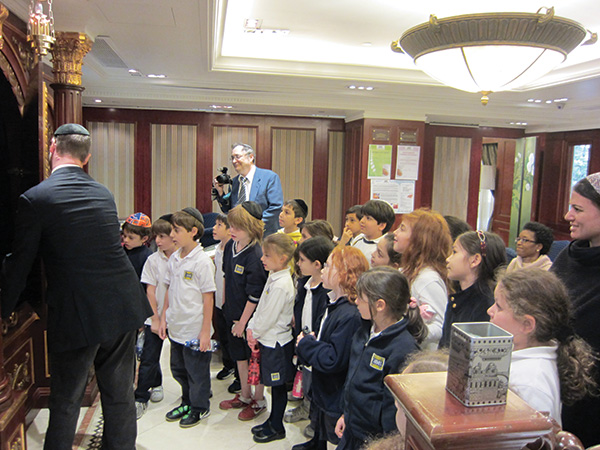
“The shul started in my office with the help of Eddie Sitt,” said Jack E. Mamiye. “It grew with the help of Rabbi Sammy Kassin, Rabbi Meoded and his wife. Finding the right person is only with the blessing of Hashem.” Immediately, Rabbi Kassin and Rabbi Meodod went to Hong Kong with the hope of bringing the light of Torah and daily minyanim to the Far East. The men set them up to use part of their office as the synagogue and the rabbi’s residence. It was small and basic , yet fine for starting out. The synagogue had been prepared, they brought a Sefer Torah, prayer books and other essentials to have a shul.
Rabbi Meoded went to the local hotels, looking for business men, backpackers and even Jewish residents to try to form minyanim. He would go to the reception and ask if there was a Mr. Sutton or Mr. Cohen and keep on saying popular Jewish names until he would round up the people needed. His wife, Rebbetzin Yael, always prepared a wonderful meal from her own kitchen for the guests.
As a young businessman, Joey Habert was in Hong Kong and saw a rabbi putting up mezuzot in one of the local offices. It was such a strange sight, a rabbi in Hong Kong. Joey had little food left and was wondering what he would do for Shabbat. He thought the rabbi must be having a Shabbat meal somewhere, so he approached Rabbi Meoded and was invited for Shabbat and minyan. Joey accepted and brought a few friends who were also there that weekend. The minyan and Friday night dinner were was like manna from heaven! It was the best meal they had in weeks. That was the very beginning of a long journey ahead between Joey and Rabbi Meoded to build what we know today as Kehilat Zion/Hechal Ezra—our home away from home.
Every week, Rabbi Meoded continued going to the hotels, asking for people by Jewish names, and inviting them to come for Shabbat and prayers. In addition to businessmen, the rabbi was able to pull in non-religious people and have them join for prayers and meals. Eventually, many of them returned to Judaism. Word spread and soon more and more people were coming for meals and services. When Joey returned a few months later there were more people squeezed into the small space. It was clear that Rabbi Meoded and his wife had outgrown the space. The Rebbetzin expressed to us that the kitchen was too small to accommodate serving the crowds properly. Joey and the businessmen with him immediately raised $5,000 for a new kitchen, one that would enable proper cooking to visiting businessmen and tourists.
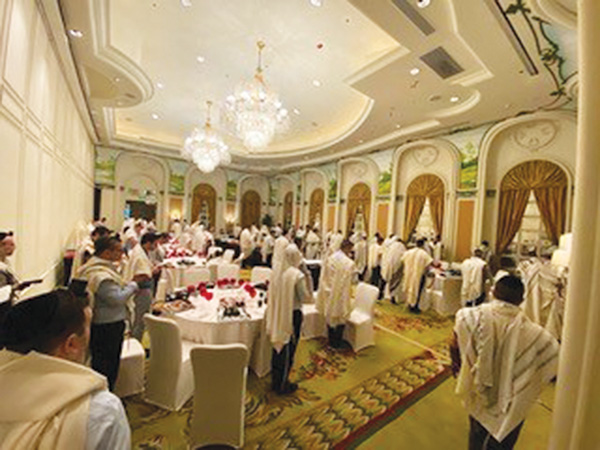
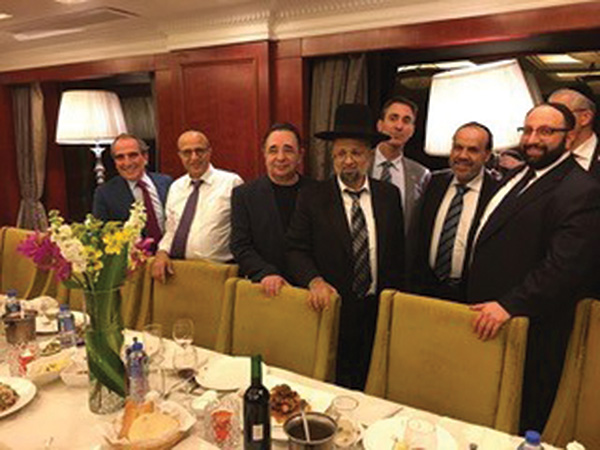
Twenty-seven years later, Joey Habert is still raising money for the synagogue, known as Kehilat Zion of Kowloon, now called Hechel Ezra. The name Hechal Ezra came about when Max Abadi a businessman and resident of Hong Kong approached the Rabbi and wanted to name the synagogue in memory of his father Ezra z’l. Since then, the synagogue has expanded twice, and now also has a restaurant to serve the Jewish community and travelers. During the enormous exhibitions and fairs held in China, as many as 300 people attend and are served three delicious hot Shabbat meals. There are businessmen, backpackers and tourists who all seek a good Sephardic meal. For the past 15 years, Kehilat Zion/Hechal Ezra has rented part of the Ritz Carlton Hotel in Guangzhou, established a synagogue and kosher l’mehadrin restaurant for the businessmen. Rabbis, rosh yeshivas and important public figures including the President of Israel, and members of the Knesset have attended.
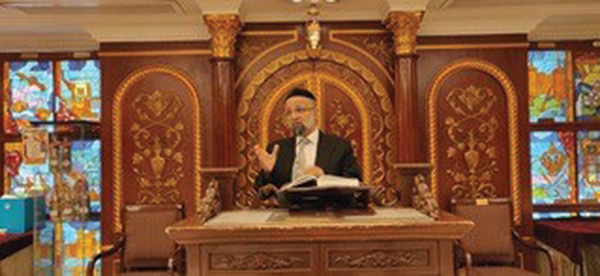
The synagogue has a kollel of 3-5 young men who are stationed there for months at a time to learn and also help make the minyanim. The shul also boasts one of the biggest and most in depth libraries of Hebrew books in all of Asia. The Far East Shehebar Sephardic Torah Center was donated by the Chehebar family, known for their support of Torah and hesed, in memory of their father Gabriel Shehebar z’l.
Syrian and Sephardic Jews who travel to Hong Kong from all over the world and visit Kehilat Zion/Hechal Ezra feel like they are in a synagogue in Brooklyn’s Syrian community because of the atmosphere, the food, and the strong adherence to Sephardic minhag. There you can meet Sephardim from Brazil, Argentina, Panama, Mexico, France, Israel and many more places. The Beit Knesset is truly a home away from home to more than 5,000 Jews a year, visiting from all over the world. Being a part of it is an amazing experience!
Due to the corona pandemic and the halt of travel to Hong Kong and China, the synagogue is coping with a lack of overseas visitors and a huge financial crisis. However, the synagogue made due and sought out 30 members of the local community to come make the Minyanim and Shabbat services. In addition to making sure all the spirituality is upheld for the community, Rabbi Meoded has many other responsibilities, which include assuring his workers are in compliance with government regulations, bringing in kosher food, and supervising it to supply kosher food to the community and travelers, organizing special meals, as well accommodating tourists and the businessmen who attend the multiple exhibitions in China. The local Chinese call Rabbi Meoded “Mister Rabbi.”
“When you are in China all week, you are not eating right, you’re all alone and you are working long hard hours, you look so forward to that meal and warm companionship,” said Joey Habert. “There are so many food challenges and you can pack just so much instant soup. When we get to the shul five minutes before candle-lighting, we smell the hallah, we see the rabbi and our fellow Jews from all over the world. It is truly a heavenly experience to walk into. The shul has an excellent chef who prepares familiar foods, as well as some local delicacies. They serve us a seven-course meal on real plates (not paper), with silverware. There is singing, socializing, Divrei Torah and catching up with people. We all pray the same tefillah, no matter where we are from. It is truly special.”
On Shabbat, visitors are among a spectacular mosaic of people from all over the world—Syrian businessmen alongside backpackers, Hasidim, Modern Orthodox and others, sitting together in wonderful unity. The concept of Klal Yisrael takes on a different meaning and special spiritual feeling during these joyful Shabbats. After a week of working, praying, having a minyan and sitting for a Shabbat meal at Kehilat Zion, with Rabbi Meoded and his wife, along with people from all over the world, is very comforting. Visitors feel at home.
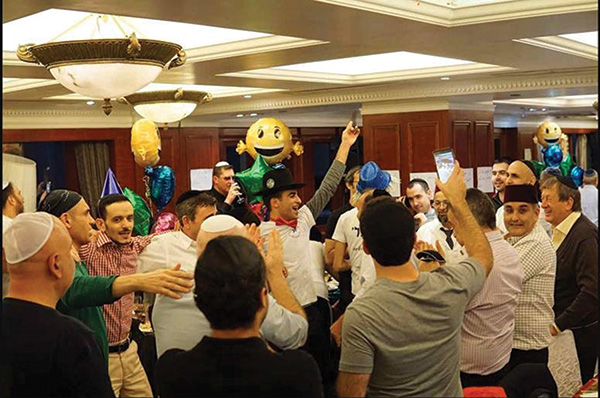
In 2002, the Raymond and Albert Habert families donated a Sefer Torah to the synagogue and held the Torah dedication in Hong Kong. Wow! What a Kiddush Hashem that the local Chinese people became so mesmerized seeing 400 people dancing and singing with musical instruments. They witnessed the rabbi and dignitaries carrying the Sefer Torah in the streets of Hong Kong! That was a weekend few will ever forget. In 2013, Joey Habert and his wife Leah, graciously hosted a summer fundraiser to help raise money for the synagogue.
“At the beginning it was not hard to raise funds for Kehilat Zion because the early travelers knew how it was before the synagogue was there. There was an appreciation for all the Rabbi provided. Being able to pray and get kosher food in Hong Kong was a big deal,” said Joey. “All these years, the Rabbi never charged for meals, for many years we were able to manage financially just on selling Aliyot.” As the local community grew, the businessmen and backpackers continued coming, our expenses and budget had grown so much that it became too difficult to cover all costs with just the selling of the Aliyot. Against the Rabbi’s wishes, we had no choice but to start charging for meals,” said Joey. “Of course, we never turn anyone away, but we need those incremental funds to keep afloat”
Joseph Sutton, third generation in his family to travel to the Far East, and the grandson of Joseph M. Sutton, tells a story that brings to light the necessity, warmth and atmosphere of Kehilat Zion of Kowloon. “In August 2018, my flight home to Deal from Hong Kong was on a Friday morning but would arrive in plenty of time for a summer Shabbat. After boarding the flight, I fell asleep. Two and a half hours later, I woke up to see we were still on the ground. Concerned I wouldn’t make it in time for Shabbat, I quickly called Rabbi Meoded and explained the situation. He gave me very specific instructions on praying, when to stop doing Melachot and when I could start again based on crossing the International date line. Every question was answered on the spot. Unfortunately, there were two more delays and I got off the plane with a few other businessmen and returned to the hotel.”
Joseph continued, “I was by myself in Hong Kong on Shabbat with no family, on a day that is supposed to be about family. I went to the shul feeling down and sad, thinking about my wife and children back at home. Right when I walked in, the Rabbi’s smile greeted me and instantly, I knew I was at home. The familiar faces, the tunes we sing on Friday night, the Syrian food and the camaraderie of all the people together made me feel at home even though I was 12,000 miles away. That’s Kehilat Zion/Hechal Ezra and Rabbi Meoded—a home away from home.”
A new committee was formed to connect to the next generation of visitors and travelers. Albert Arazi, Abie Dayan, David Sutton, Joseph Sutton and Israel Sasson are working to help us reach out and connect to younger visitors. “Due to the cessation of flights, there are no visitors to Hong Kong and therefore most of the businessmen who used to visit from all over the world cannot come. This has caused a difficult blow to the Kehila’s income,” said Rabbi Meoded. “This new reality makes us cope alone with the very high costs of renting the premises with the ongoing expenses, especially in a city like Hong Kong which is one of the most expensive places in the world. The Trade War caused a lack of certainty in trade that takes place between Hong Kong and the whole world, but we hope that, with G-d’s help, everything will return to how it was, and trade will be more stable here, in the US and all over the world. We, as Jews who live here, benefit from the governments in Hong Kong and China. Their attitude towards us is very good,” said Rabbi Meoded. “Thank G-d China (and Hong Kong) is one of the few places in the world without anti-Semitism.”
After moving to Hong Kong, he and his wife Yael were blessed with three children. His dream to go out in the world was from Hashem. Albert (Bero) Chehebar said, “My father would be ecstatic if he knew this synagogue’s Torah Center in Hong Kong carried his name. All his life he loved rabbis and supported religious institutions. That was his whole life and there was nothing he enjoyed doing more.”
“This is a landmark for the community,” said Saul H. Tawil, one of the Orient Originals. “When we traveled in the 70’s and 80’s, we always wished to have a shul. You can’t imagine the feeling after working all week in China and feeling lonely, it’s so good to walk into the shul on Friday night to the familiar faces with smiles and warm greetings. We need to secure this place for today and future generations.”
As Joey Habert said, “Thank you Rabbi Meoded for making this a true home away from home.”
A journalist and historian, Sarina Roffé is the author of Branching Out from Sepharad, Backyard Kitchen: The Main Course, Backyard Kitchen: Mediterranean Salads, and the cooking app, Sarina’s Sephardic Cuisine. Editor of Dorot, Sarina holds a BA in Journalism, and MA in Jewish Studies and an MBA. She is President of the Sephardic Heritage Project, Co-Chair of the Brooklyn Jewish Historical Initiative and Chair of the Sephardic Research Division of JewishGen.
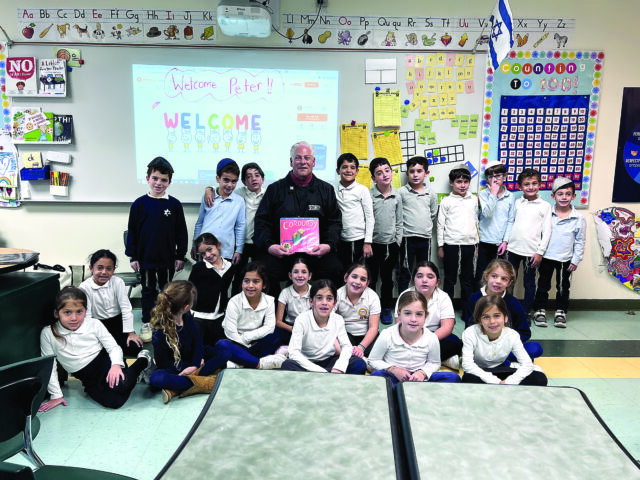
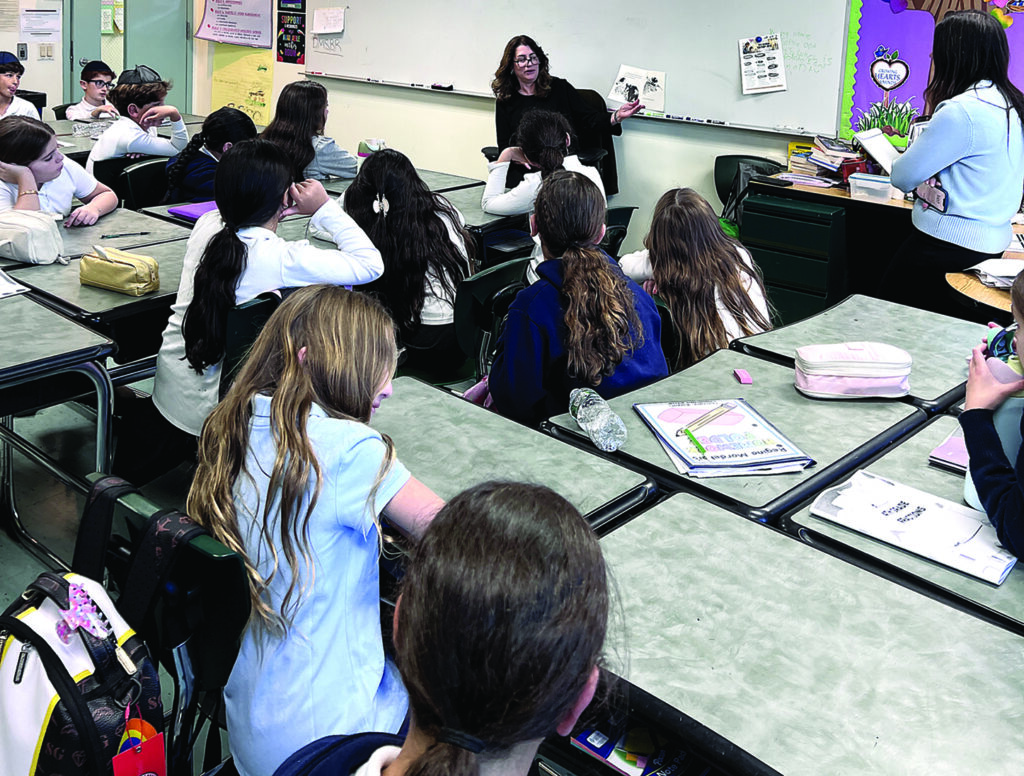
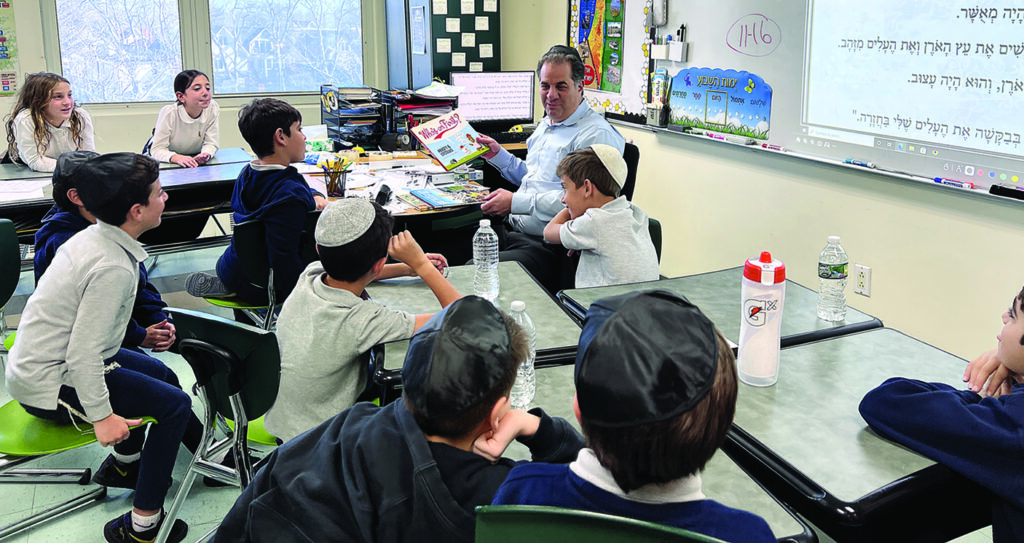
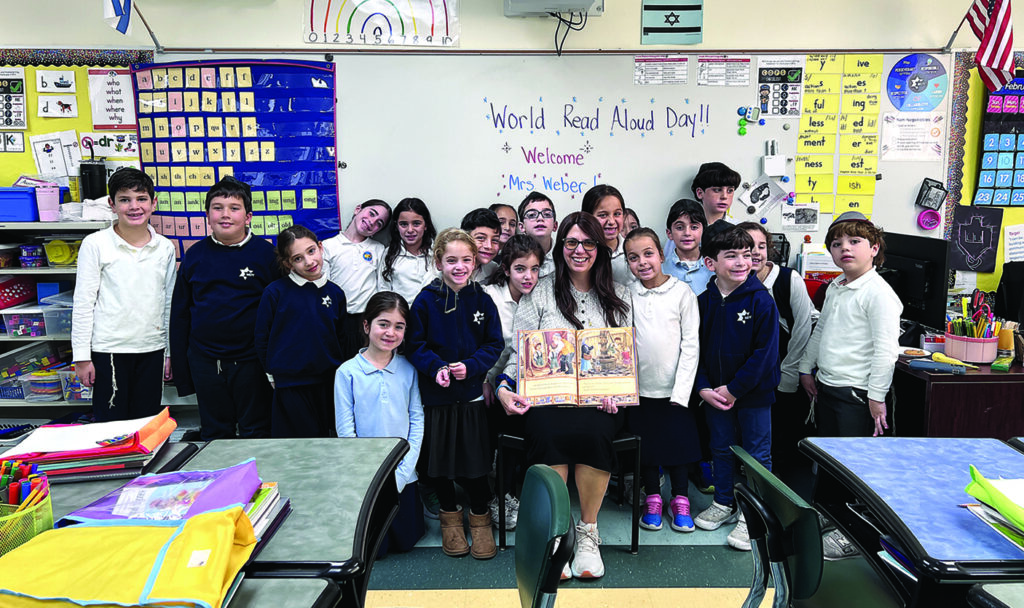
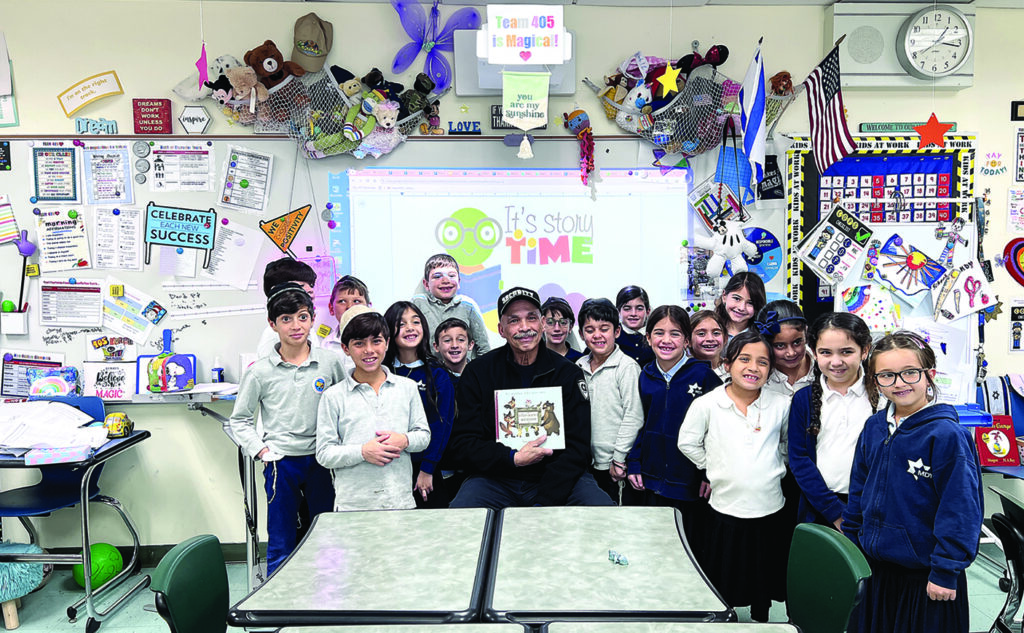
At Magen David Yeshivah, students were encouraged to Drop Everything And Read (D.E.A.R.) in celebration of World Read Aloud Day—a global event designed to highlight the joy and importance of reading. The initiative served as a powerful reminder for students of all ages to prioritize reading and appreciate the impact of storytelling.
For 30 minutes, students in grades K-5 paused their regular schedules, as 37 faculty members from multiple divisions read stories to the classes. By showcasing the importance of reading through example, these faculty members helped reinforce the significance of literacy in a meaningful and memorable way. The event not only emphasized literacy but also fostered a sense of excitement and enthusiasm for reading. The teachers, administrators, security team, and all others who participated in this event brought their stories to life through animated readings and discussions. These shared reading moments helped students develop a deeper connection with books while reinforcing the importance of literacy as a lifelong skill. Reading aloud has been proven to improve comprehension, fluency, and vocabulary, making events like World Read Aloud Day an essential part of fostering a love for literature. By hearing expressive readings, students were able to engage more deeply with the material and develop a greater appreciation for storytelling. Additionally, the presence of faculty members from various divisions emphasized the communal value of reading and showed students that literacy is a lifelong skill valued across all academic and professional fields. Beyond the immediate joy of reading, the event also encouraged students to see books as windows to different worlds, ideas, and experiences. By immersing themselves in different stories, they had the opportunity to expand their imaginations, improve critical thinking skills, and gain insights into cultures and perspectives beyond their own.
By participating in D.E.A.R., Magen David Yeshivah students embraced the joy of storytelling, strengthened their reading skills, and celebrated the power of words. This event served as a meaningful reminder that books have the ability to inspire, educate, and bring people together. As the students closed their books at the end of the day, they carried with them a renewed love for reading—a passion that will continue to grow well beyond World Read Aloud Day and into their everyday lives, shaping them into lifelong readers and learners.
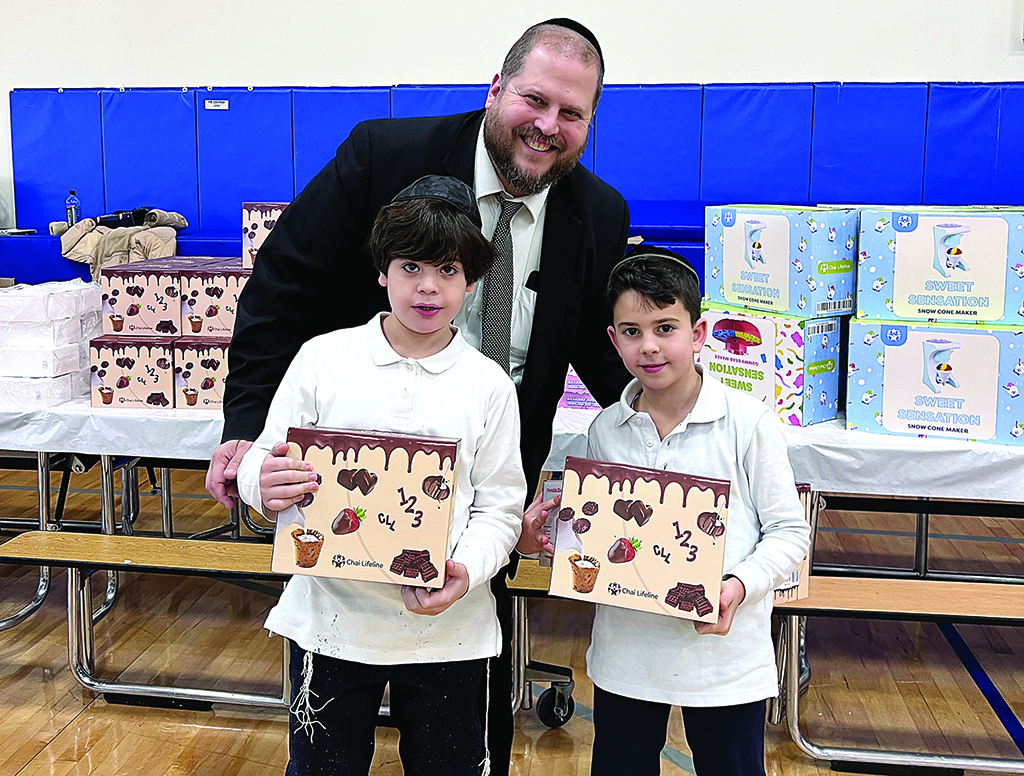
Magen David Yeshivah (MDY) students showcased their commitment to kindness by raising an impressive, record-breaking for Chai Lifeline—the highest amount MDY has ever raised for this cause. Representatives from Chai Lifeline visited MDY to distribute prizes to the top fundraisers, recognizing their dedication to this meaningful cause.
As part of the celebration, Rabbi Simcha Scholar from Chai Lifeline visited MDY and presented a giant check showcasing the incredible amount raised. His presence further emphasized the impact of the student’s efforts and the significance of their contribution to the organization. First, we would like to thank Rabbi Finkelstein! Without his help promoting and showcasing what it means to give, we wouldn’t have been able to raise as much as we had. We would also like to thank our top 10 fundraisers, who raised a record breaking amount.
Their selflessness played a crucial role in supporting Chai Lifeline’s mission. “Every dollar raised goes directly to Chai Lifeline’s vital programs, it will support Camp Simcha Without Borders, an initiative that brings the joy of summer camp to children with serious illnesses. This program provides day camps and events in locations across the U.S. and beyond, allowing Chai Lifeline clients and their siblings to experience the fun of camp closer to home. Since 2020, over 1,200 children have participated in programs across cities like Baltimore, Miami, Los Angeles, and Monsey.
A Community Effort All of this generosity couldn’t have been done without the community effort to help this wonderful cause. Our partnership with you is a testament to the values of kindness and compassion, inspiring future generations to make a difference. We thank each and every one of you who donated and made a difference in the lives of our children and the children abroad.
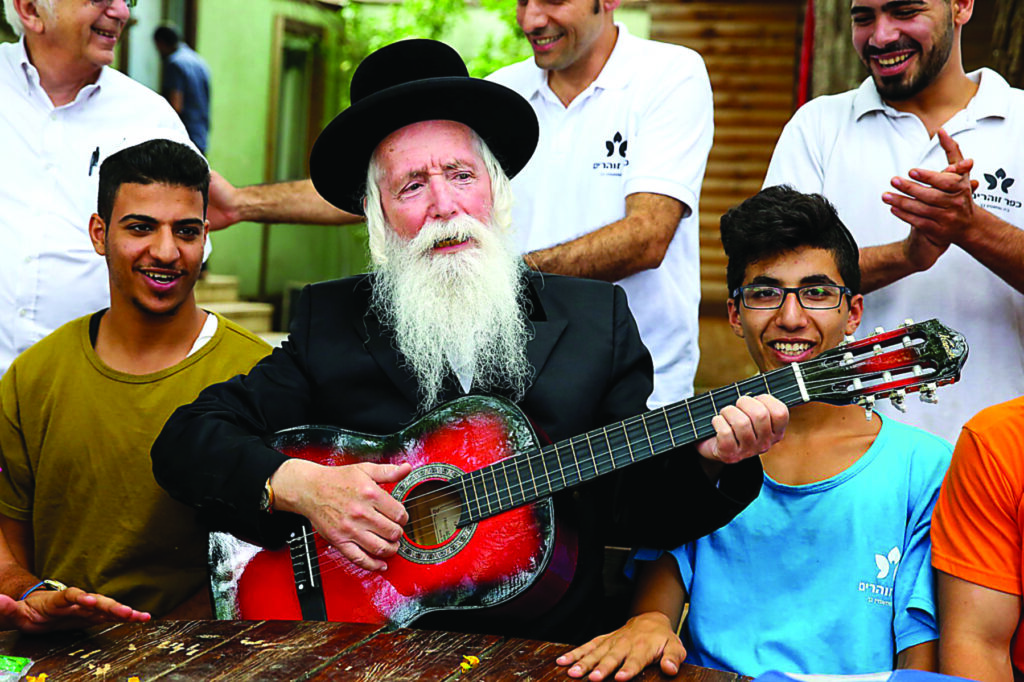
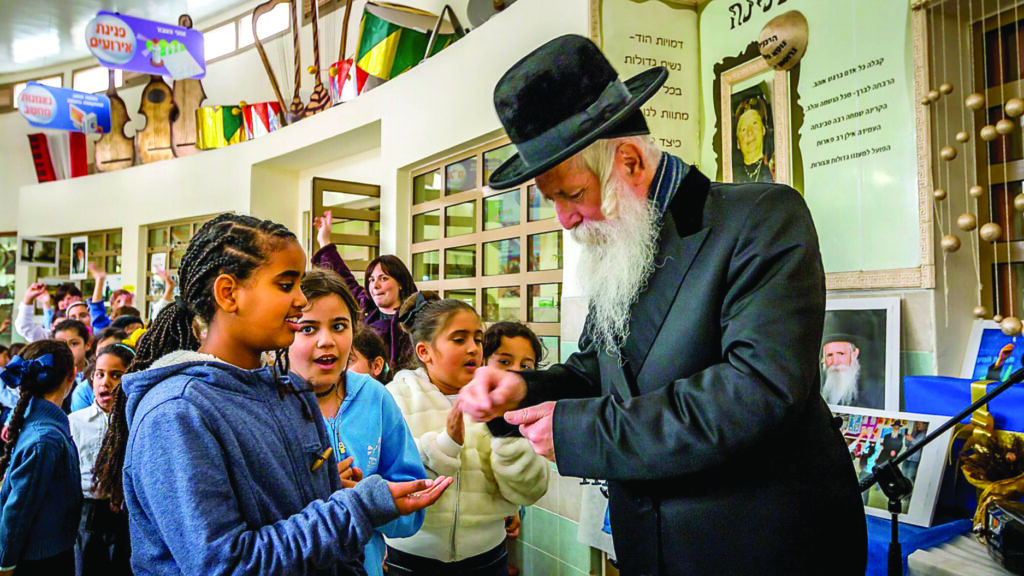
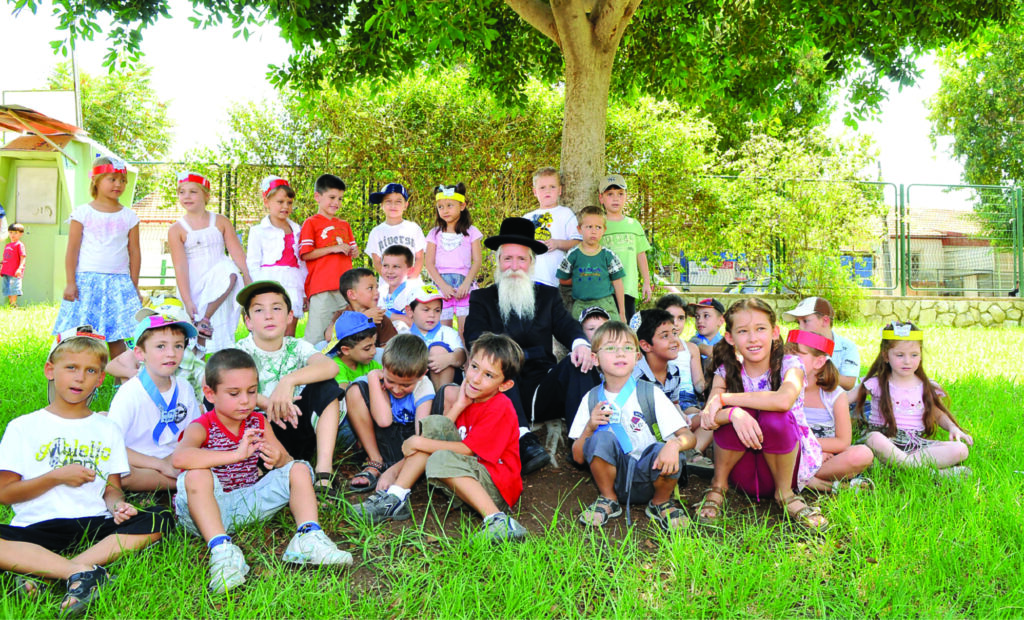
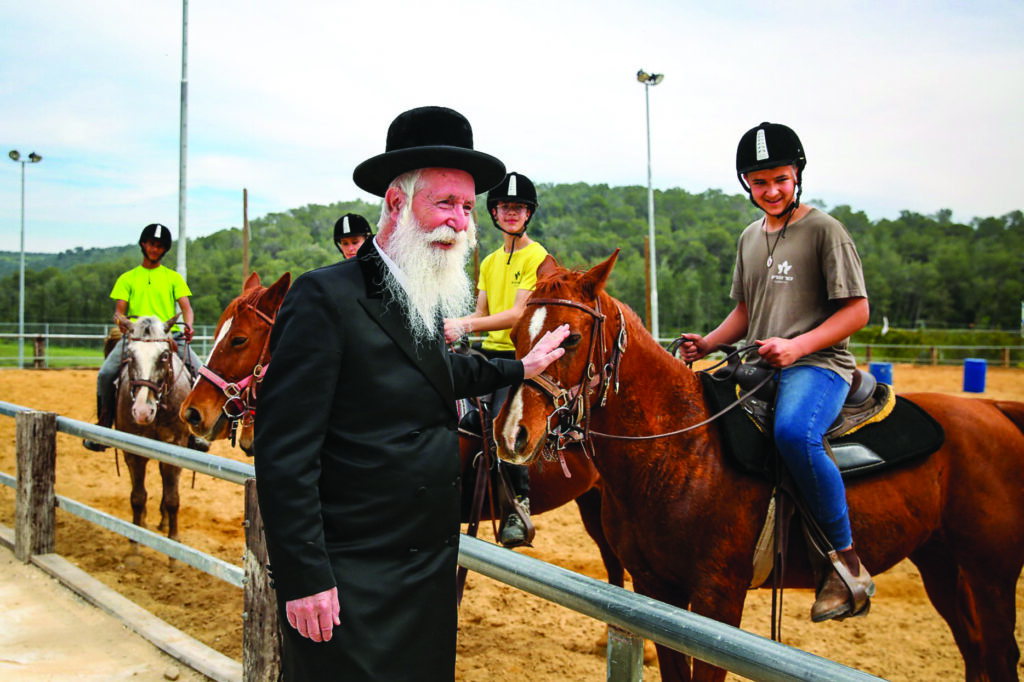
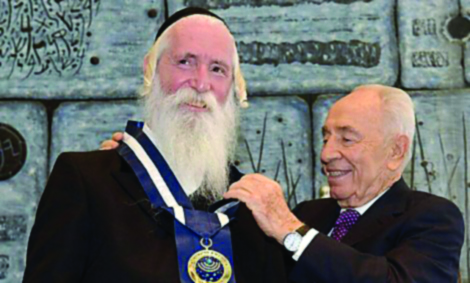
How Rabbi Grossman Transformed Lives and Inspired a Movement
Ever feel like the world’s a bit of a mess? It’s easy to get overwhelmed and think, “What can I possibly do?” But here’s the thing: history is packed with stories of ordinary people who did extraordinary things, simply by deciding to make a difference. Rabbi Yitzchak Dovid Grossman is one of those people – a real-life example of how one act of kindness can create a ripple effect that changes the world.
In 1967, Israel celebrated its victory in the Six-Day War. But amidst the jubilation, a young Rabbi Grossman saw a different battle being waged – a silent war on the streets, where a generation of Israeli youth was succumbing to crime, drugs, and despair. He saw children losing their fight for survival, and he knew he couldn’t stand idly by. He heard whispers of Migdal HaEmek, a town riddled with poverty, crime, and abandoned youth. It was a place where hope had seemingly vanished, a place no rabbi dared to go. But at just 23 years old, Rabbi Grossman made a promise: he would dedicate one year to these forgotten children.
That single year became a lifetime. The pain, the struggles, the desperate longing for love and acceptance he witnessed in these children resonated deep within him. He couldn’t walk away. He ventured into the darkness, into the nightclubs and the haunts of gang members, not to judge, but to understand. He listened. He embraced. He brought light where only shadows existed. Through unwavering warmth, boundless love, and an unwavering belief in their potential, Rabbi Grossman achieved the impossible. He transformed criminals into scholars, orphans into leaders, and broken children into builders of the future. He defied the naysayers and proved that even in the most desolate corners, hope can flourish. Rabbi Grossman’s work embodies the very essence of the Torah’s command to care for the vulnerable. It’s not merely a suggestion, but a divine imperative: “You shall not pervert the justice due to the stranger or the orphan.” (Deuteronomy 24:17) “He upholds the cause of the orphan and the widow, and He loves the stranger, giving him food and clothing.” (Deuteronomy 10:18) These verses weren’t just words on a page for Rabbi Grossman; they were a call to action. He saw them as a mission, a responsibility he embraced with his entire being. The impact of his dedication is immeasurable. Yossi, a hardened gang leader, found redemption and is now a Torah scholar guiding others. David, once homeless and hopeless, now serves as an IDF officer, protecting the very country he felt had abandoned him. Tamar, an orphan left to navigate the world alone, now empowers other orphans as a social worker. These are just a few examples of the thousands of lives touched by one man’s unwavering commitment. Rabbi Grossman’s story challenges us: If one person can achieve such profound change, what’s stopping us from changing even one life? We often wait for grand gestures, for sweeping reforms initiated from the top down. But true change begins at the grassroots level, with individuals who choose to care. We don’t need to be Rabbi Grossman to make a difference. We don’t need to build institutions or rescue thousands. We simply need to take responsibility. This means finding that struggling student and offering a word of encouragement. It means checking in on a lonely neighbor. It means volunteering our time, donating to causes we believe in, and uplifting those around us. It means choosing to believe in someone who has lost faith in themselves. Because the truth is, there’s a Yossi, a David, or a Tamar in every community, waiting for someone to see them, to believe in them, to remind them that they matter. They’re waiting for us. Rabbi Grossman didn’t wait for the world to change; he changed the world. And the question we must ask ourselves is: Will we? We don’t need to perform extraordinary feats. We just need to start with one. One act of kindness. One child in need of guidance. One family requiring support. One neighbor longing for connection. When we step up, when we rise above our own concerns, we ignite a chain reaction of goodness that reverberates far beyond our own lives. As Maimonides, the Rambam, so eloquently stated: “There is no greater or more glorious joy than bringing happiness to the poor, to orphans, widows, and strangers. One who brings them joy is likened to the Divine Presence itself.” (Mishneh Torah, Hilchot Megillah 2:17)
Rabbi Grossman’s legacy is not just about the thousands of lives he touched, but about the ripple effect he created, inspiring countless others to follow his example. Let us be part of that ripple. Let us be the change we wish to see in the world. The power is within each and every one of us. Go out and ignite your spark. Find your “one.” And together, let us illuminate the world, one life at a time.
Eliav Ronan is a writer, speaker, and NYU-certified life and business coach specializing in personal growth, resilience, and purpose through Jewish wisdom and psychology. For 18 years, he has guided individuals toward fulfillment, sharing insights through his writing on Substack and other platforms. His forthcoming book, An Elevated Mindset: A Journey Through Life, explores faith, self-awareness, and resilience, accompanied by a website and podcast. Ronan speaks to diverse audiences, from students to professionals, on mindset, leadership, and personal growth. He lives with his wife and two children, splitting his time between Israel, South Jersey, and Florida.