


Linda Argalgi Sadacka
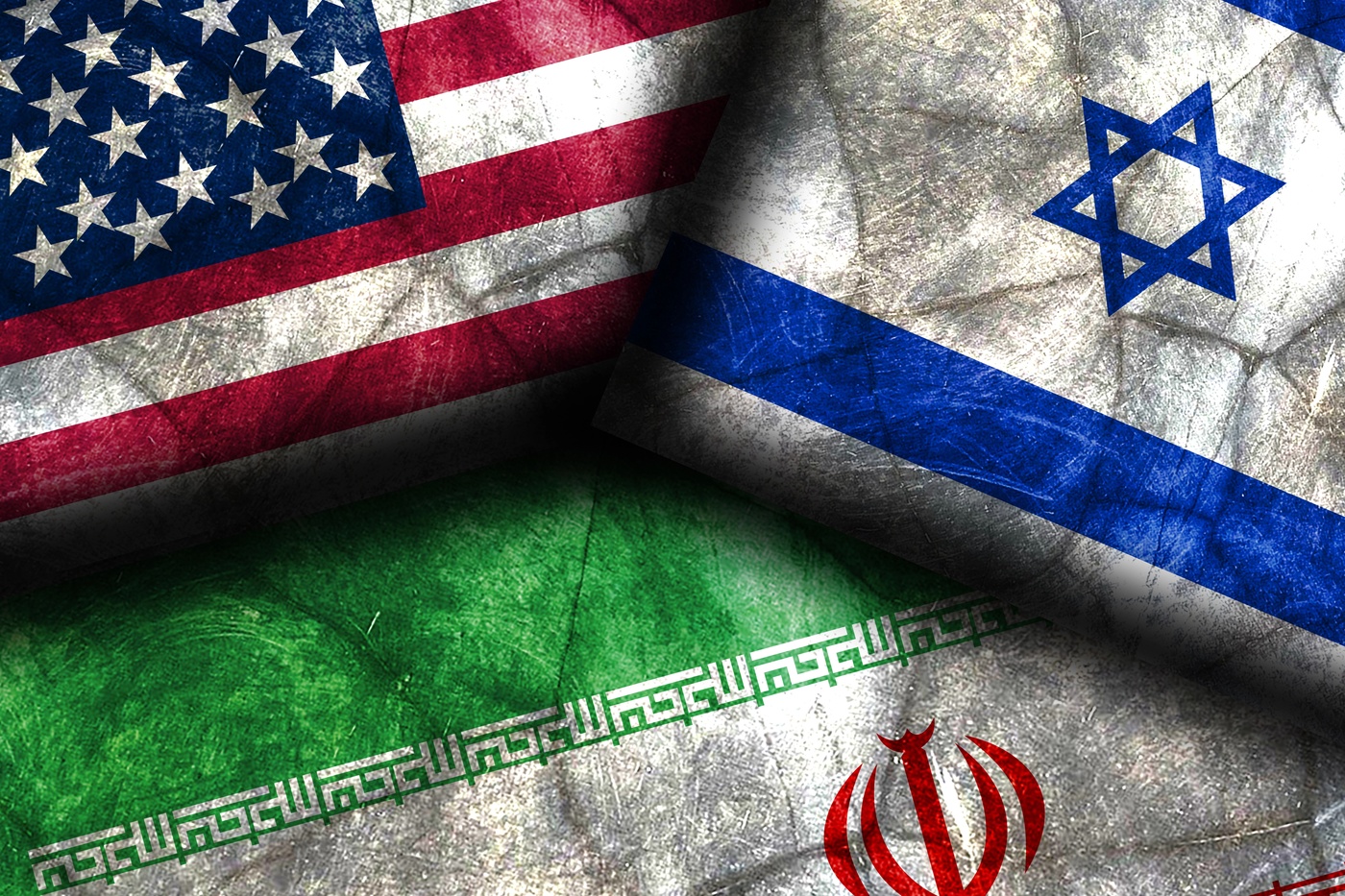
The growing coordination between Jerusalem and Washington reflects a strategic reality that transcends any single diplomatic encounter. The subject is Iran.
Israel faces the Iranian regime as a direct security threat. Tehran arms and finances proxies on Israel’s borders and openly declares its intent to erase the Jewish state. Missiles are not symbolic. They are operational. The United States confronts the same regime from a broader vantage point. American forces remain positioned across the region. U.S. naval power secures critical maritime corridors. American deterrence shapes the behavior of adversaries well beyond the Middle East. If Iran alters the regional balance of power, the consequences will extend to both democracies.
The character of the regime is not speculative. It is visible. The world remembers Mahsa Amini, whose death in custody ignited nationwide protests. Teenagers like Nika Shakarami became symbols of a generation punished for demanding dignity. And now there is Diana Bahador. Nineteen years old. Known as “Baby Rider.” A young woman whose refusal to disappear behind imposed restrictions became an act of quiet resistance. She was shot by security forces during protests. These are not excesses of chaos. They are instruments of governance.
A regime that governs through repression at home does not transform into a reliable actor abroad. Internal strain does not soften ideological hostility. It can intensify it. When legitimacy erodes domestically, projecting strength externally becomes a tool of consolidation. This dynamic matters. Iran’s leadership defines itself in opposition to both Israel and the United States. Its hostility is structural. The rhetoric directed at Jerusalem and Washington is not incidental. It is foundational to the regime’s identity.
If Iran were to secure nuclear capability, the implications would not be confined to Israel’s security calculus. It would reshape deterrence across the region, embolden aligned militias, and test American credibility on a global scale. Alignment between Jerusalem and Washington is therefore not diplomatic theater. It is strategic necessity.
Israel cannot permit an existential threat to mature unchecked. Its doctrine does not allow it. If action becomes unavoidable, the repercussions will not remain localized. The United States would confront the strategic consequences whether by design or by default. The question is not whether the two nations are connected in this challenge. They already are. The question is whether that connection is acknowledged clearly enough to shape policy with precision rather than reaction. Iran views Israel and America as linked adversaries. Clarity requires that they respond as linked allies. A regime reveals itself first in how it treats its own citizens. The evidence is already before us.


