



59 Years Since the Reunification of Jerusalem
Rabbi Steven Pruzansky, Esq.
Yom Yerushalayim (Jerusalem Day), the annual celebration of the liberation and reunification of Jerusalem in 1967, is an opportune time to reflect on what was, what is, and what can be. Fifty-nine years ago, after the Jordanian army began shelling western Jerusalem, the IDF stormed the Old City, captured the Temple Mount and environs, and fulfilled the biblical prophecy that “Rebuilt Jerusalem is like a city that is united together” (Tehillim 122:3).

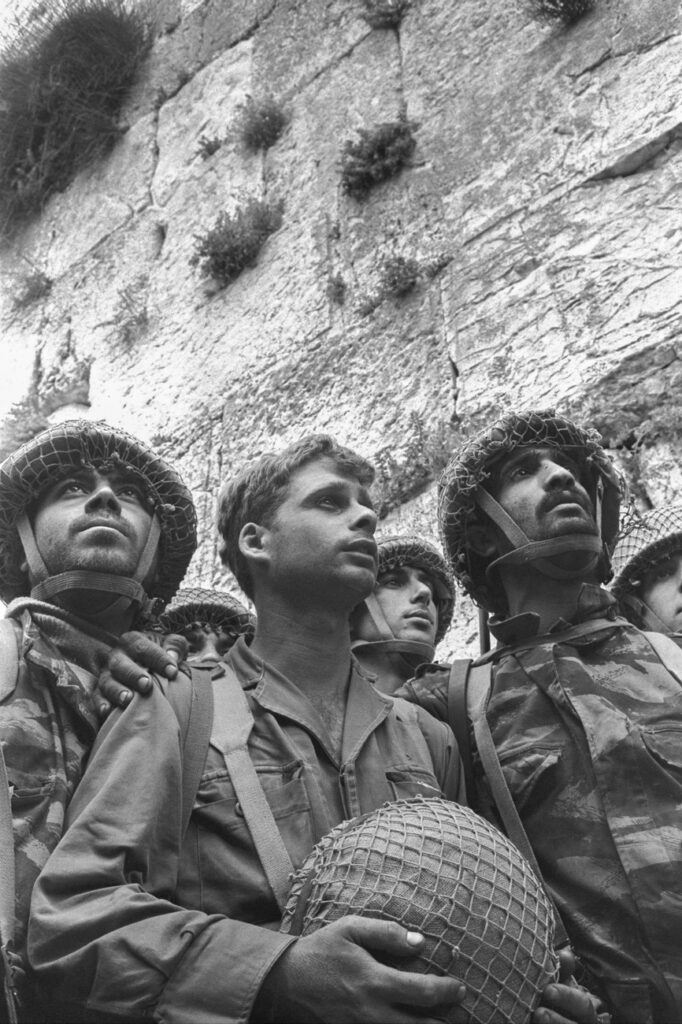

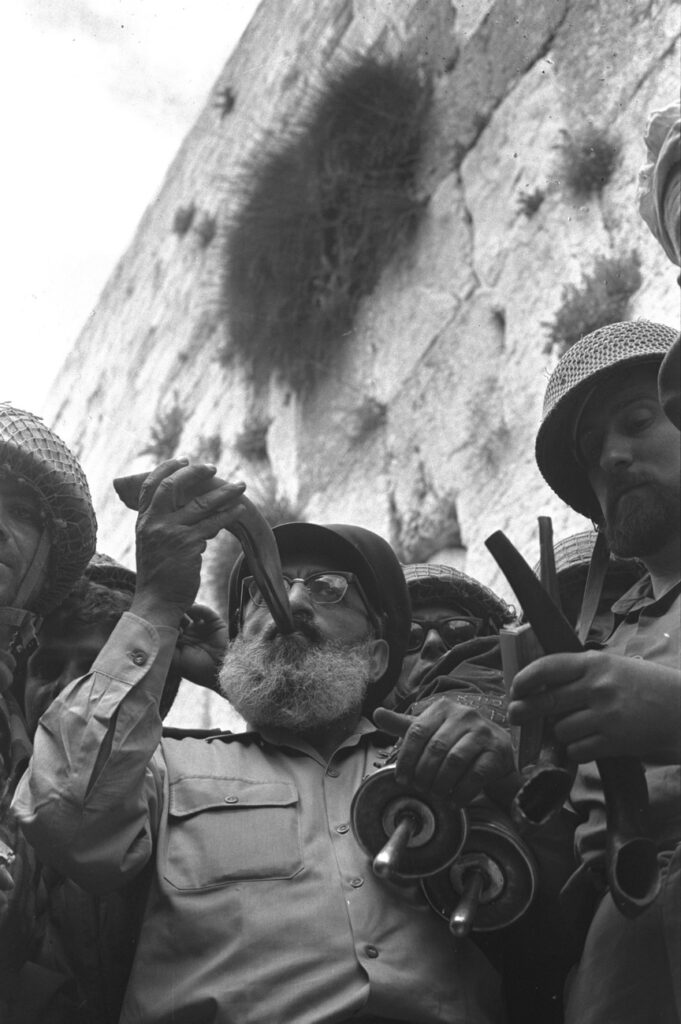
It is hard to imagine that the Jordanian occupation of Jerusalem lasted only nineteen years, from 1948 to 1967. The Jewish community of the Old City had dwelled there since ancient times. After a valiant struggle including a siege and bombardment that lasted weeks, the Jewish fighters surrendered on May 28, 1948, after their food supply and ammunition were exhausted. Only a small contingent of 35 soldiers remained and were taken captive by Jordan together with more than 200 civilians. The commander of the Jordanian Legion was shocked by the minuscule numbers of fighters that had withstood the onslaught of his large force, commenting that had he known there so few Israeli soldiers, he would have fought them with sticks.
The Jordanian occupation of Jerusalem, not recognized by the international community, was brutal. The Jewish Quarter was ravaged. Numerous synagogues were destroyed and residential buildings were demolished. The area lay desolate and forlorn, with the tiny space in front of the Western Wall desecrated and used as a garbage dump. In a mass grave on Gal Ed Street, 48 Jewish soldiers were buried. The divided city was a physical eyesore and a moral abomination as centuries of Jewish life was eradicated and the historic connection of the Jewish people to its spiritual center mocked. Jewish access to our holy sites was summarily denied.
Nineteen years later, Jerusalem was recaptured. The Old City was liberated and Jewish life flourished anew. The barricades that had divided the city were torn down. The 48 soldiers buried in the mass grave were reburied, each identified and each given his own grave, in the ancient Jewish cemetery on the Mount of Olives. Jerusalem was annexed and declared Israel’s eternal, indivisible capital. A new era dawned.
It is bitterly ironic, and extremely hypocritical, that to many people nineteen years of Jordanian occupation established a “reality” that fifty-nine years of Jewish presence has not. Multiple “peace” plans have called for the re-division of Jerusalem, with the newly added twist of declaring the eastern part of Jerusalem the capital of a Palestinian state. (Such deference to the Palestinians was never considered during the Jordanian occupation, perhaps because the “Palestinians” had not yet been invented or had not materialized as a political entity.) One should be forgiven for questioning the sincerity of these proposals, as if Jewish sovereignty in Jerusalem is a temporary concession rather than a recognition of our biblical and historical rights.
Since 1967, the population of Jerusalem has more than tripled. New construction has become routine, infrastructure has expanded, and the city has become a center of the high-tech industry. Its sacred spaces, synagogues and study halls, chesed organizations and religious life, are remarkably vibrant. Although we still await the rebuilding of the Holy Temple, the city of Jerusalem no longer “sits in solitude, like a widow” (Eicha 1:1) but has welcomed the return of its children as was prophesied millennia ago.
Yet, there are still challenges ahead. Several nations including the United States have already returned their embassies to Jerusalem, and others have committed to do so, but much of the world still denies Jewish rights and sovereignty. NATO members like France and Turkey maintain consulates in Jerusalem that function as embassies to the Palestinians, in defiance of law and reality. Other nations like Qatar are primary subsidizers of radical Muslim forces that seek to undermine Israeli sovereignty in Jerusalem and promote the fantasy of Israel’s demise. Just in the past year, UNRWA, a major source of hostility against Israel, was closed down and banned from Jerusalem. Israel will need to act against these and other nefarious forces in order to strengthen its sovereignty over the Holy City.
Israel’s administration of Jerusalem has guaranteed freedom of worship to all religions and the preservation of all holy places, a sharp contrast to the predation of the Jordanians and what could be expected if the city ever reverts to Arab rule in any form.
Our generation is privileged to have witnessed the liberation of Jerusalem earned through the sacrifice of our soldiers as well as the renaissance of the city now that its children have returned home. Jerusalem, today as always, is a conduit for the divine blessings that flow from heaven to earth. “Pray for the peace of Jerusalem, those who love you will find serenity” (Tehillim 122:6). Israel will meet all the challenges ahead and, we pray, usher in an era of universal peace, in which all nations will heed the “word of G-D that goes forth from Jerusalem” (Yeshayahu 2:3).


