



A Bold Move to Defend the Future
For years, tensions between Israel and Iran have simmered just below the surface. But in a moment that reshaped the region’s balance of power, Israel launched a stunning, successful strike against Iran’s nuclear and military infrastructure. The operation, carried out with absolute precision, was not just a military maneuver—it was a statement of resolve and a reaffirmation of Israel’s commitment to protect its people and its future.

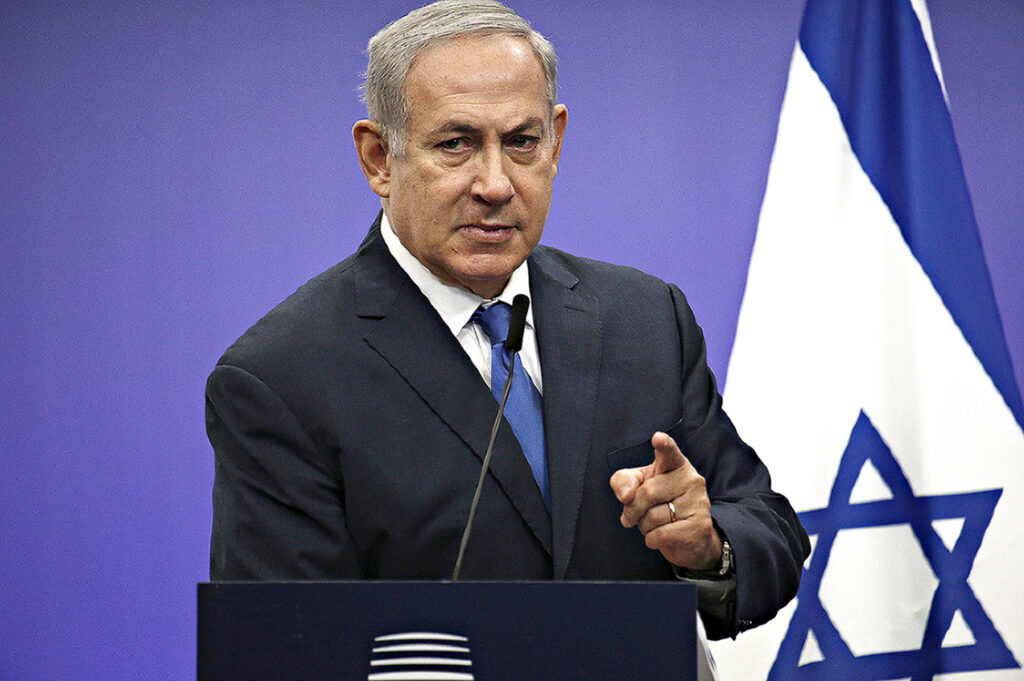
Israel’s Prime Minister Benjamin Netanyahu has long warned that Iran’s nuclear ambitions pose an existential threat—not just to Israel, but to global stability. For over a decade, he has sounded the alarm on international stages, presenting maps, documents, and intelligence evidence to support his claim that Iran was secretly working toward a nuclear weapon. World powers signed agreements and imposed sanctions, but Netanyahu remained firm in his message: Iran cannot be trusted. While some dismissed these warnings as political posturing, recent intelligence reports revealed just how close Iran had come. Their enrichment capabilities had advanced, secret facilities were discovered, and Israeli security services confirmed that the regime was within striking distance of developing a functional nuclear warhead.
Faced with the harsh reality that time was running out, Israel made its move. The surprise attack was swift, coordinated, and deeply rooted in world-class intelligence gathering. Behind the scenes, Israel’s Mossad and IDF worked together to identify the most critical targets, analyze Iranian defense patterns, and prepare for every possible outcome. In classic Israeli fashion—quiet, focused, and deliberate—the operation struck at the very heart of Iran’s nuclear network. Explosions rocked known and previously unknown facilities, paralyzing Iran’s nuclear progress and sending a clear message across the globe.
The brilliance of the mission wasn’t only in its execution, but in the secrecy and surprise that defined it. Iran’s military was caught completely off guard. Reports from the region indicate that radar systems were bypassed, communications were jammed, and defenses were neutralized before they had a chance to respond. Some officials in Tehran tried to minimize the damage in public statements, but satellite images and independent analysis confirmed otherwise: the operation was a resounding success.
This was not an act of aggression, but a necessary strike rooted in defense. Iran’s leadership has openly called for the destruction of Israel, funded terror organizations across the region, and pushed for dominance through fear and force. No sovereign nation could ignore such a threat, especially one that has survived multiple wars, suicide bombings, and rocket attacks. For Israel, acting preemptively wasn’t just a choice—it was an obligation.
Mossad’s role in the operation reminded the world why Israel’s intelligence agency is among the most respected and feared. Years of groundwork—tracking scientists, intercepting communications, planting surveillance devices—paid off. The operation was a masterclass in coordination and information warfare. And while Israel rarely comments on such missions publicly, the confidence shown by its leaders in the aftermath speaks volumes. This wasn’t just a blow to Iran’s ambitions—it was a reminder that Israel, even when surrounded by enemies, will never be a passive observer when its security is at stake.
Despite the injuries, loss of civilian life, damage to neighborhoods, and the ongoing threat of ballistic missile retaliation, citizens across Israel responded with pride and a renewed sense of unity. In cities like Tel Aviv, Haifa, and Jerusalem, there was a clear and widespread understanding: the government had acted decisively to prevent a far greater catastrophe. Parents tucked their children into bed with a bit more hope for the future. Soldiers stood taller, knowing their service had made a difference. Even within the often-divided Knesset, opposition parties set politics aside to publicly praise the government’s successful operation. And from around the world, both Jewish and non-Jewish supporters recognized the bravery it took to act when so many others remained silent.

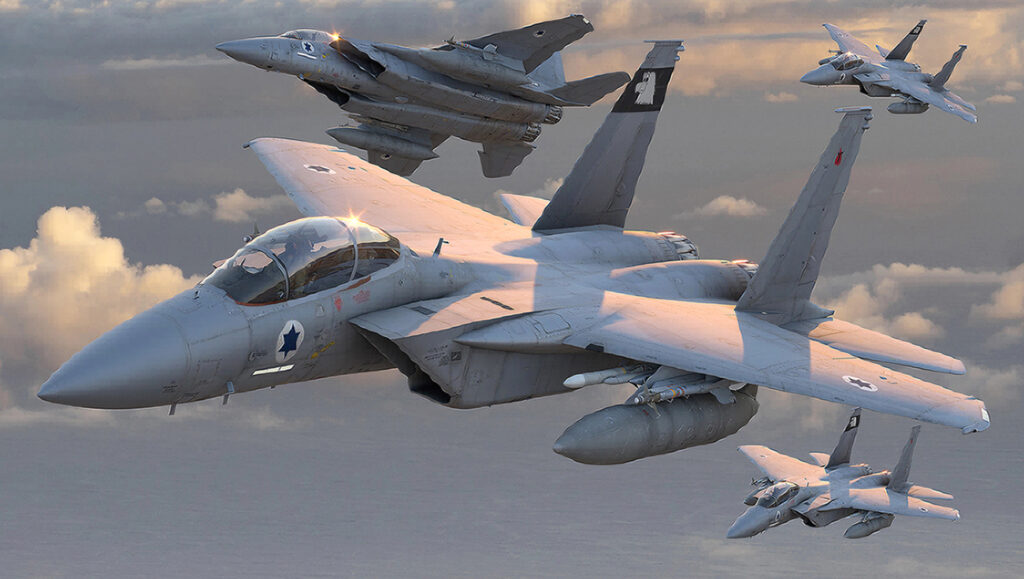
While the coming weeks may bring political debates and international posturing, Israel’s message is simple and clear: it will never allow another Holocaust. The Jewish people, scattered and slaughtered for generations, now have a homeland that stands up, speaks out, and acts when necessary. This mission wasn’t just about planes and bombs—it was about history, legacy, and the right to live in peace.
The future remains uncertain, and challenges lie ahead. But with this operation, Israel reminded the world that courage, clarity, and conviction still have a place in international affairs. Backed by unmatched intelligence, guided by a deep sense of responsibility, and driven by love for its people, Israel stood alone and stood strong—and history will remember it.


