



Tips to ease anxiety, manage stress, and build emotional strength at any age
The back-to-school season brings more than new backpacks and sharpened pencils. It often comes with a heavy mix of emotions—excitement, nervousness, even fear. Whether your child is starting kindergarten, switching schools, or heading into middle or high school, these transitions can stir up a whirlwind of feelings. Supporting their mental well-being during these moments is one of the most important things you can do as a parent.

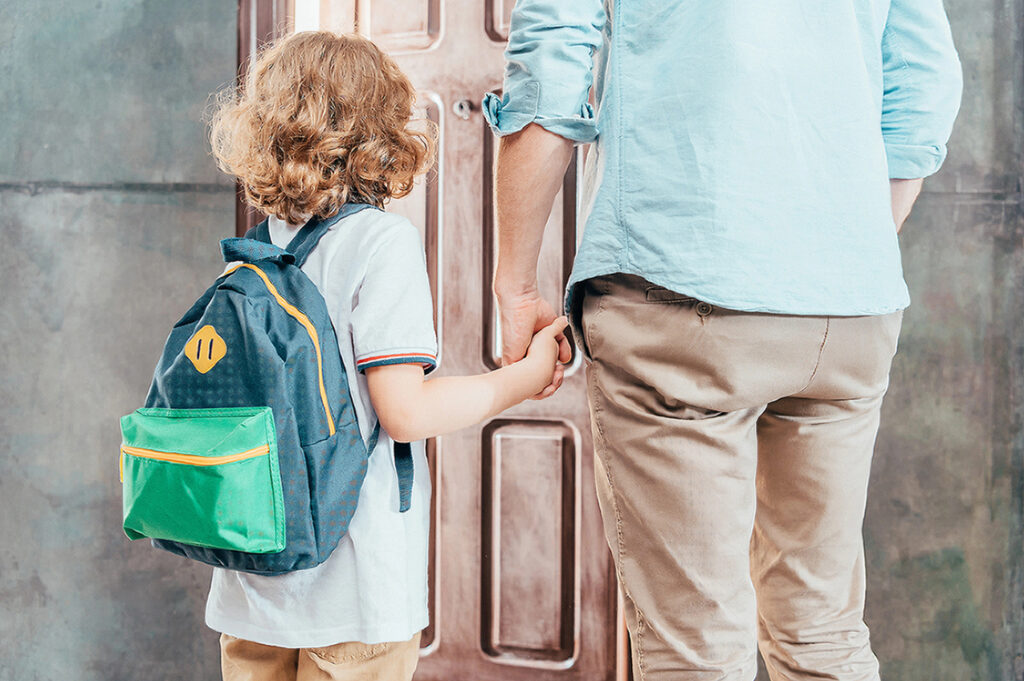
Each stage of childhood presents unique challenges, but transitions are often when anxiety spikes. Experts say the key is to create a sense of safety and routine while giving your child the tools to face change with confidence.
Begin by opening a dialogue well before the first day. Ask open-ended questions such as, “How are you feeling about the new school year?” or “What are you excited—or nervous—about?” Listen without jumping to fix the problem. Often, just being heard can help a child feel more in control. Child psychologists suggest that naming emotions gives children a sense of power over them. It helps to validate your child’s feelings, even if they seem small. Rather than dismissing worries with “It’ll be fine,” try saying, “I understand why that might feel scary. Let’s talk about it together.”
Establishing routines early also helps reduce uncertainty. Start waking up and going to bed on a school schedule a week or two before school starts. For younger children, practicing the walk to school or doing a “pretend drop-off” can ease first-day jitters. For older kids, helping them organize supplies, set up a workspace, and map out their class schedule can bring a sense of preparedness that lessens anxiety. Children of all ages feel safer when they know what to expect.
Some kids worry about social dynamics, especially if they’re entering a new school or grade level. Encourage them to reconnect with old friends before school starts or attend school-sponsored meet-and-greets. If socializing is difficult, role-play possible scenarios and responses. Practicing how to introduce oneself or ask to join a group at lunch can make a big difference.
For children dealing with perfectionism or academic pressure, it’s especially important to focus on effort rather than outcomes. Celebrate hard work, resilience, and learning from mistakes. Remind them that one test or grade does not define their worth. Mental health professionals point out that stress around achievement often starts earlier than many parents realize. You can protect your child’s emotional well-being by making sure your home remains a safe place where love is unconditional.
Watch for signs that your child may be struggling more than expected. Changes in appetite, sleep habits, or mood, excessive clinginess in younger kids, or withdrawal in teens can be red flags. If your child refuses to go to school or shows signs of panic, don’t hesitate to reach out to a school counselor or mental health professional. Early support can prevent bigger problems later on.
Teaching kids how to cope with stress is just as important as helping them avoid it. Introduce simple tools like deep breathing, journaling, or mindfulness apps made for children. Encourage physical activity, which is known to reduce anxiety and improve mood. Even a short walk after school can help children process the day’s events and reset emotionally.
Transitions are also an opportunity to build emotional resilience. Praise your child when they show bravery, even in small ways—like walking into class with a smile or speaking up when something feels wrong. Share your own stories of school transitions and how you handled nerves or challenges. Children feel stronger when they know others have struggled and grown from it.
The most powerful thing you can do is be present. Your consistent support, patience, and calm will send a clear message: “Whatever happens at school, I’m here for you.” Life doesn’t stop throwing changes at us—but with the right foundation, our kids can learn to face them with strength, confidence, and hope.


