



Ari Baum, CFP®
When you hear the word “tariffs,” you might think of political debates, trade wars, or headlines that don’t really seem to apply to your everyday life. But make no mistake: tariffs can quietly show up in places you might not expect. From the price of a car to the cost of a new pair of sneakers, these taxes on imported goods can have a lasting effect on how much you spend—and how much your investments grow.

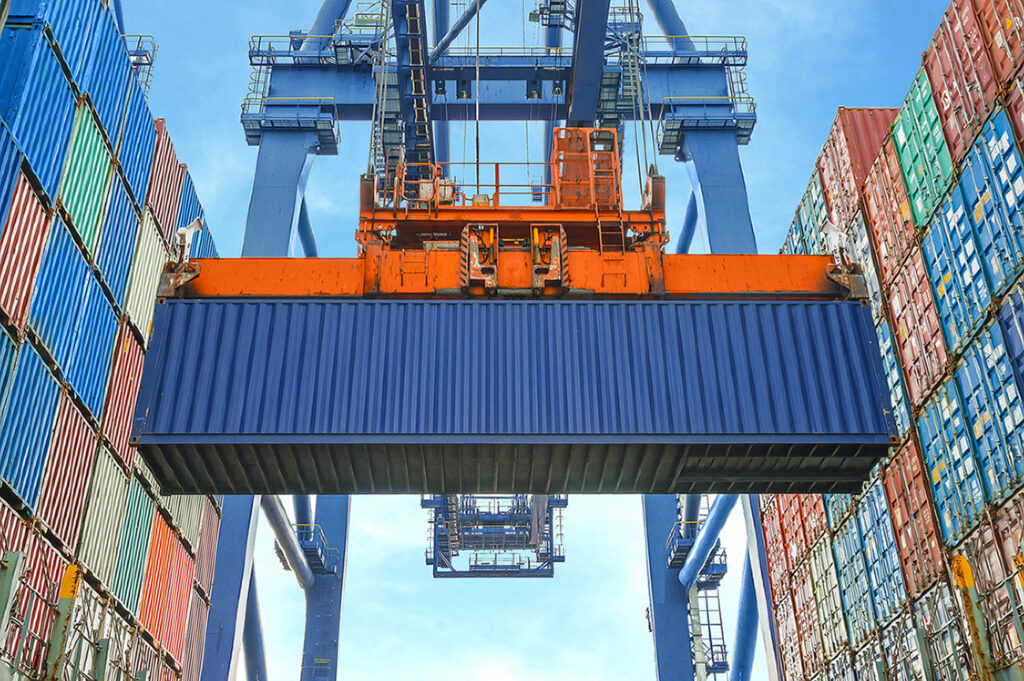
So, how exactly do tariffs work? And why should investors keep them on their radar? Let’s follow the ripple effect from the moment a tariff is announced all the way to your wallet and your portfolio.
Tariffs 101
What They Are—and Why They Matter
At their core, tariffs are taxes placed on products coming into the country. Governments use them for a variety of reasons: to protect local industries, raise revenue, or put pressure on foreign trading partners.
When a tariff is set—say, 50% on imported aluminum—companies bringing that material into the U.S. have to pay more at the border. That added cost doesn’t just stay on paper. It travels down the supply chain and usually ends up in the price tag you see in stores or the costs companies pass on to consumers. This can create both problems and possibilities for investors.
Supply Chains
Where Tariffs First Leave a Mark
Once tariffs go into effect, supply chains often feel the pressure first. Imagine a U.S. manufacturer that depends on Chinese aluminum. Overnight, the price of that material jumps because of a new tariff. Now the company has to make a choice: pay the higher cost and absorb the hit to profits, pass the cost on to customers, or look for new suppliers—maybe closer to home.
None of these options are simple, and all can lead to delays, increased spending, and production slowdowns. In some industries, businesses might even have to redesign their products or rethink entire workflows to stay competitive.
For investors, this means keeping a close eye on companies in vulnerable industries—especially those with global supply chains and thin profit margins.
Winners and Losers
How Industries React
Tariffs don’t hit all sectors the same way. Some benefit—at least temporarily. U.S. companies that produce goods similar to those being taxed may suddenly look more attractive. They can raise prices slightly without losing customers and enjoy a boost in demand.
Others aren’t so lucky. Industries that rely on global parts or materials may see production costs soar. Agriculture, construction, and retail often find themselves squeezed in these moments.
Take the recent 50% tariffs on steel and aluminum. Domestic metal producers saw a modest bump in business. But automakers and construction firms? Many faced higher costs and shrinking profits. For investors, that kind of shift can mean one sector surges while another stumbles.
Your Portfolio
Where the Ripples Land
All these changes—from shifting suppliers to rising prices—eventually make their way to your investments. If you own stocks in a company struggling with tariffs, you could see those shares dip. If you’re invested in a sector that benefits, you might see a short-term gain.
But here’s the tricky part: markets don’t just respond to reality—they respond to expectations. Even the rumor of a new tariff can send shockwaves through Wall Street. That’s why volatility often spikes when tariffs are in the news.
This is where a diversified portfolio shines. If you’ve spread your investments across industries and regions, you’re less likely to feel every bump in the road.
The Bigger Picture
What Tariffs Teach Us About Planning
Understanding tariffs isn’t about predicting every government move. It’s about being prepared for change and understanding how global policies can affect your day-to-day life and your long-term financial plans.
If a single policy can ripple from a port in China to a factory in Michigan to your 401(k), then it makes sense to pay attention—not to panic, but to plan. That might mean reviewing your portfolio with a professional, being aware of how your favorite brands source materials, or simply staying informed about economic trends.
Tariffs remind us that no investment exists in a vacuum. Everything is connected. The more you understand those connections, the better prepared you’ll be to make smart, timely decisions.
When the next round of trade headlines hits, don’t just skim and scroll. Consider what they could mean for your financial goals. Being curious today might help you stay confident tomorrow. q
The content is developed from sources believed to provide accurate information. Investing involves risk including the potential loss of principal. No investment strategy can guarantee a profit or protect against loss in periods of declining values. Past performance does not guarantee future results. Consult with a financial professional regarding your specific situation.
Ari Baum, CFP® is the Founder and CEO of Endurance Wealth Partners, with over 25 years of experience in the Financial Services industry. He brings his in-depth experience to Conceive. Believe. Achieve. for his clients. Securities and Advisory services offered through Prospera Financial Services Inc. Member FINRA/SIPC. Brokerage and Advisory accounts carried by Wells Fargo Clearing Services LLC.


