


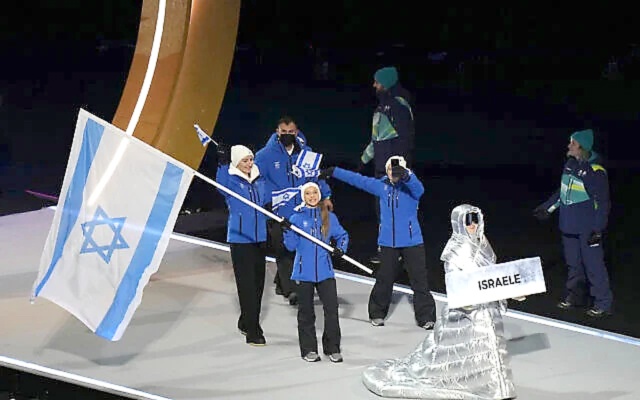
How Israeli Athletes Showed Resilience and Pride at the 2026 Winter Olympics
Israel rarely comes to mind when people think about the Winter Olympics. Snow and ice sports are not part of daily life in a Mediterranean country better known for beaches and desert heat. Still, every four years, a small group of Israeli athletes steps onto the world stage to compete in events shaped by cold climates and long traditions. Their presence is modest in size but meaningful in spirit. It reflects persistence, identity, and the steady growth of winter sports connected to Israel.


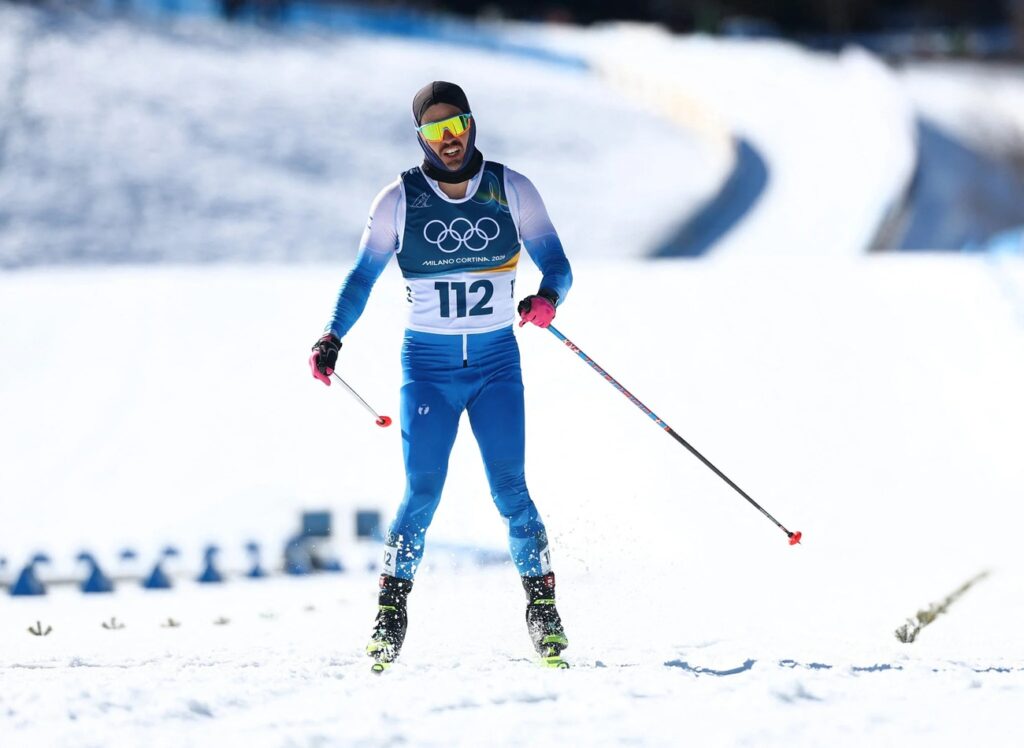
At the 2026 Winter Olympics in Milan and Cortina d’Ampezzo, Israel sent nine athletes competing in five sports: alpine skiing, cross-country skiing, figure skating, skeleton, and bobsleigh. The delegation finished the Games without a medal. Yet the results told only part of the story.
Israel has participated in the Winter Olympics since 1994, and its delegation has always been small. Unlike countries with deep winter traditions, Israel relies heavily on athletes who train abroad. Many competitors grow up in colder climates or develop their skills in Europe or North America. Participation itself carries weight.
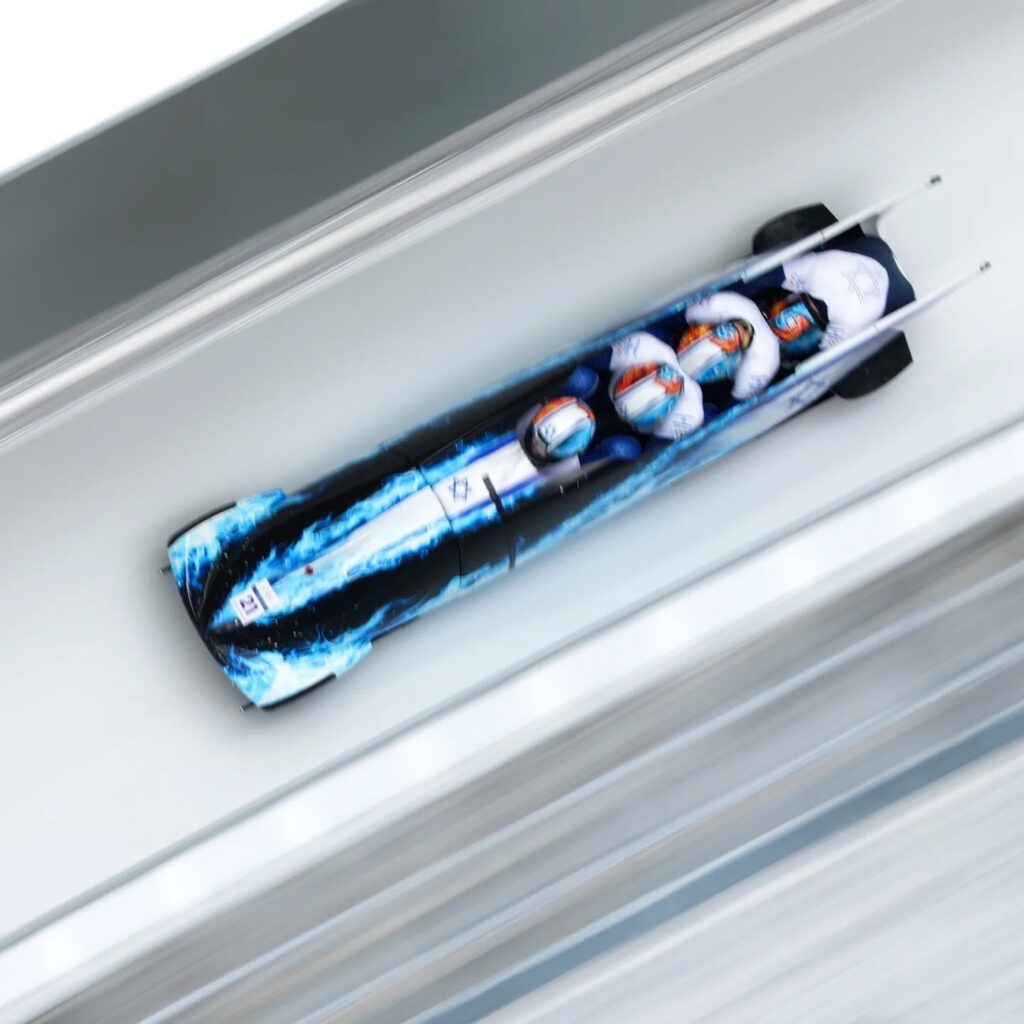
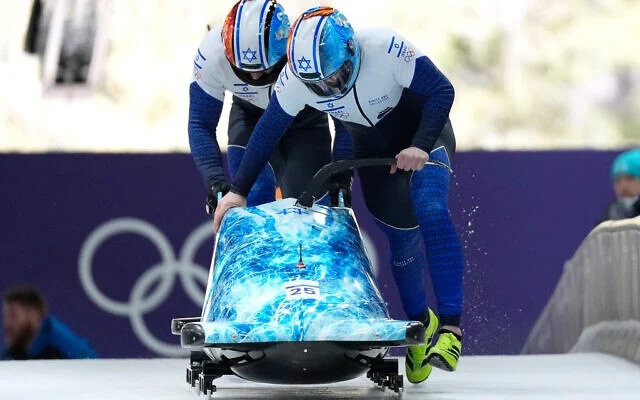
One of the most notable developments at these Games was Israel’s first Olympic bobsled team. Pilot Adam “AJ” Edelman spent years building the program, recruiting athletes, raising funding, and securing training opportunities overseas. Edelman previously competed for Israel in skeleton at the 2018 Winter Olympics in PyeongChang before turning his focus to bobsled development. He is also recognized as the first openly Orthodox Jewish athlete to compete in the Winter Olympics while maintaining full religious observance during competition.
In the two-man bobsled event, Edelman competed alongside brakeman Menachem Chen. The team completed its Olympic runs and recorded Israel’s first official Olympic result in the sport, finishing 26th. The four-man team completed two heats before being disqualified due to a substitution violation involving an attempted lineup change.
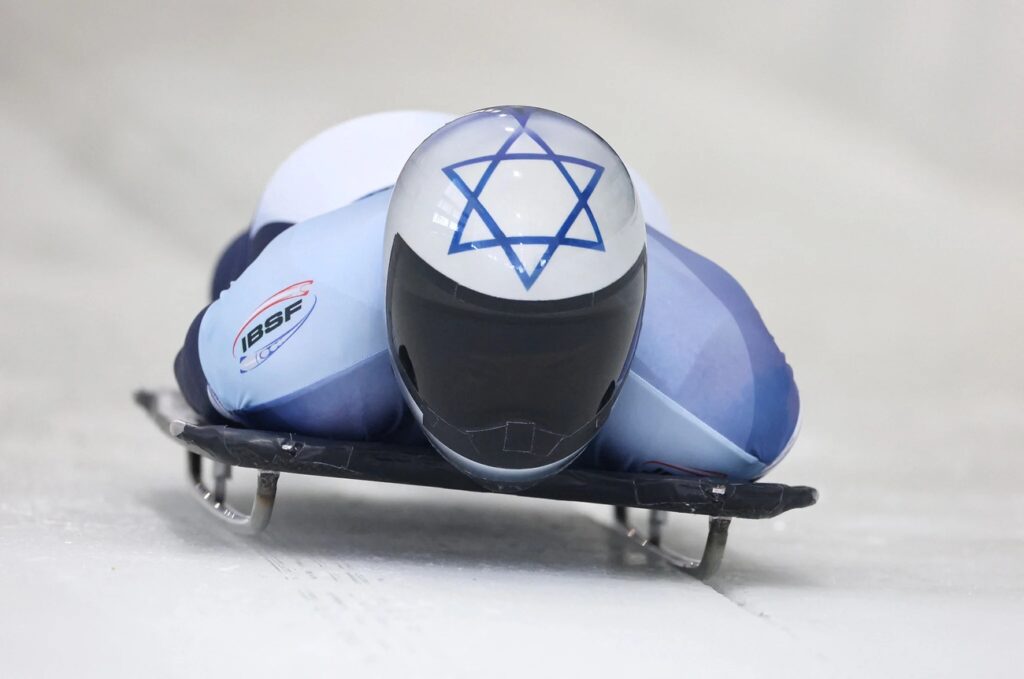
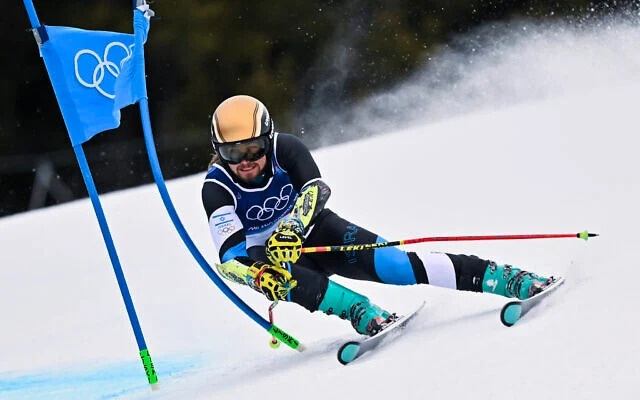
Israel was also represented in skeleton by Jared Firestone, who finished 22nd overall. In alpine skiing, Barnabas Szollos finished 26th in slalom, continuing a career that included both alpine skiing and short track speed skating at the Olympic level.
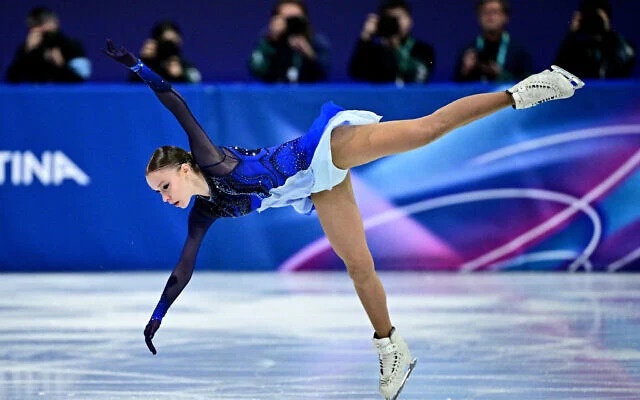
Figure skating remained one of Israel’s most visible winter disciplines. Mariia Seniuk finished 24th in the women’s singles event. Daniel Samohin continued to represent Israel internationally, and ice dancer Evgeni Krasnopolski added to his long Olympic résumé, having represented Israel in multiple Winter Games with different partners over the years.

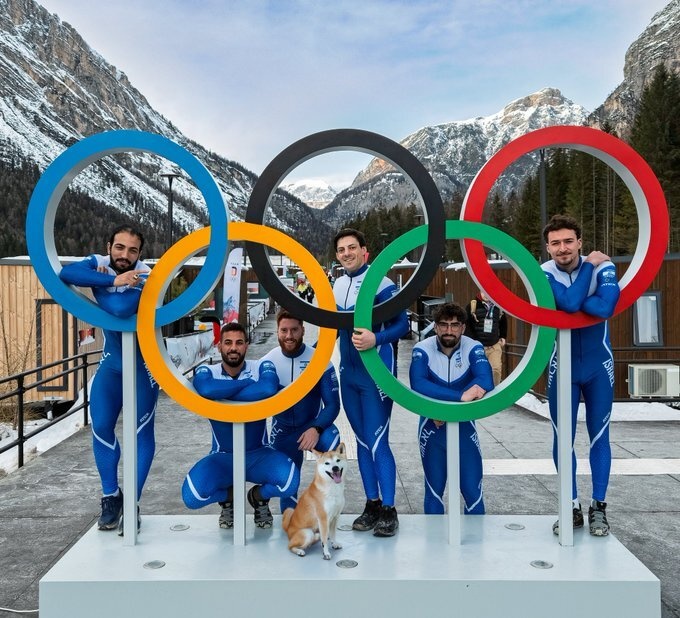

Israel’s first Olympic bobsled appearance came with unusual challenges. During training in Italy, members of the Israeli bobsled team reported that their apartment had been burglarized while they were away at the track. Suitcases, equipment, personal belongings, and team passports were stolen, creating serious logistical obstacles just days before competition. The team continued preparing while working to replace essential documents and gear.
The bobsled team, sometimes referred to as “Shul Runnings,” pressed forward despite the disruption. Their participation also drew international attention during a live broadcast when a Swiss television commentator questioned Edelman’s presence at the Games, prompting criticism and later removal of the remarks by the broadcaster. In a separate incident, an Italian state broadcaster issued a public apology after an inappropriate off-air comment about the Israeli bobsleigh team was inadvertently aired. During the opening ceremony in Milan, the Israeli delegation entered the stadium to a mixed reaction from the crowd, including a small number of boos that were largely drowned out by music and applause.
The Olympics were meant to be politically neutral, focused on sport and international unity, yet global conflicts followed athletes onto the world stage. For Israeli competitors in Milan and Cortina, the ongoing war in Gaza and broader debates about Israel surfaced in public conversation around the Games. Israel’s delegation reflected the country’s diversity, including participation by a Druze athlete competing under the Israeli flag. Jewish sports organizations and Olympic observers also pointed to increased antisemitic incidents connected to international sporting events in recent years.
Despite finishing without a medal and facing setbacks during the Games, Israel’s athletes expressed pride in representing their country and competing on the Olympic stage. They stood tall and focused on performance, even when the environment around them felt tense.
Winter Olympic participation looks different for smaller delegations. Success is measured less by medals and more by qualification, completion, and growth. Each athlete who reaches the Olympic stage helps build momentum for future competitors.
When the Milan Cortina Games closed, Israel returned home without a medal but with experience, historic firsts, and greater visibility for winter sports connected to the country. Competing on the Olympic stage as proud Jews and Israelis, the athletes represented their nation with determination and dignity. For a country without snow-covered mountains or sliding tracks, showing up and competing at the highest level remains an achievement in itself.


