



Linda Argalgi Sadacka
What struck me first was not the event itself, but the space. The White House is not simply a venue. It is a witness. Within its walls, a nation has been formed, tested, fractured, rebuilt, and reaffirmed. Decisions that altered history were debated there. Wars were weighed. Peace was brokered. Presidents carried the burden of command through moments of triumph and national reckoning. Standing inside it, you are acutely aware that you are occupying ground where the American experiment has been continuously argued into existence.

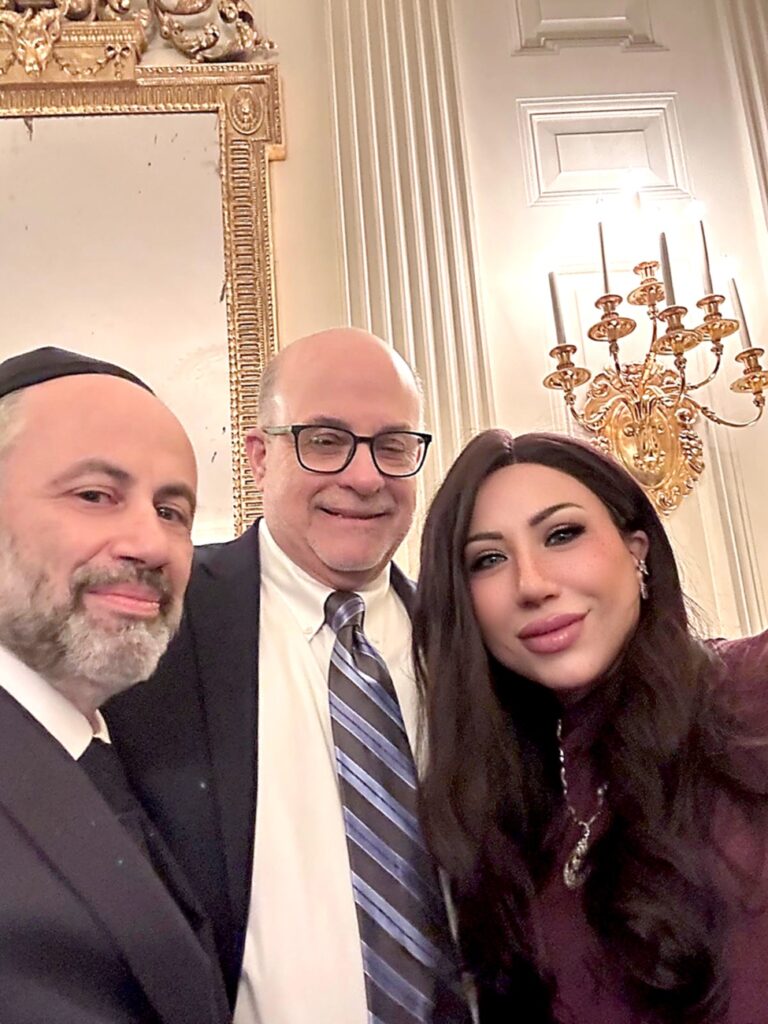
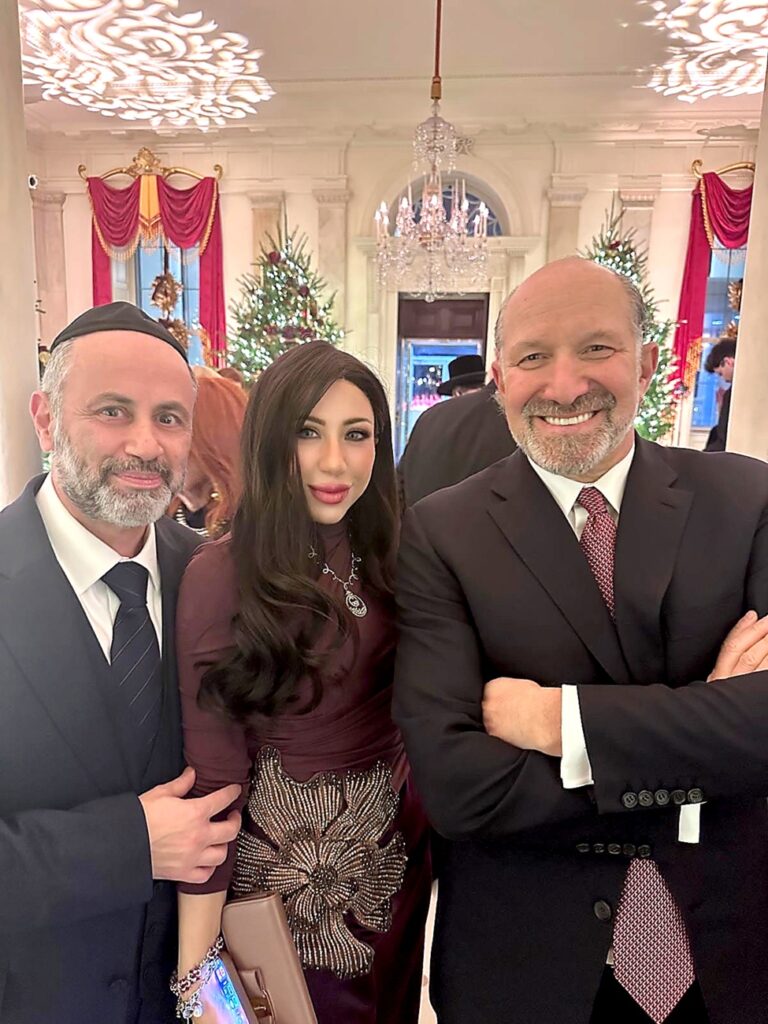
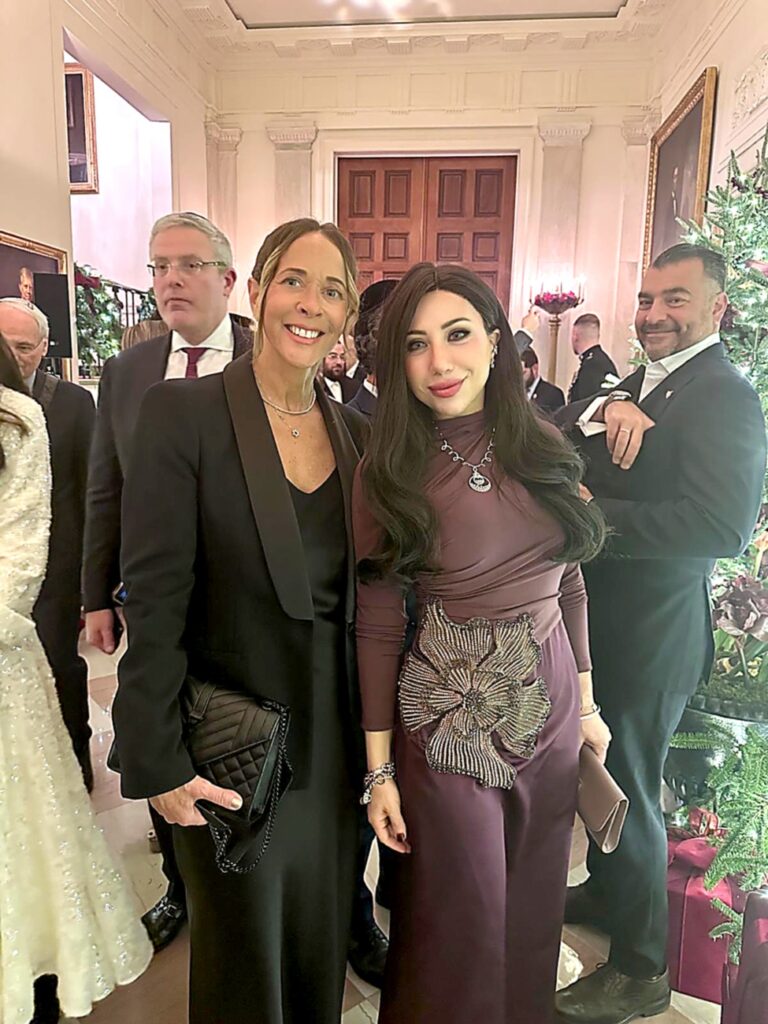
Being there during Hanukkah, a holiday rooted in endurance and continuity under pressure, sharpened that sense of historical gravity. This was not simply a celebration. It was another chapter layered onto a long national record.
This year’s White House Hanukkah observances included two receptions. The earlier afternoon event brought together influencers with a small number of public figures. The evening reception, held at seven, carried far greater gravitas and was the one most people were trying very hard to attend. That room was filled with major donors, senior administration officials, lawmakers, ambassadors, and figures shaping both the present and future political landscape. I was invited to the latter, and I understood what that access reflected.
My husband attended with me, and we stayed nearby at the Adams Hotel. Walking past the White House at night, illuminated and secured, reinforced the seriousness of the setting. Institutions built to endure carry a weight that cannot be replicated elsewhere.
Entry into the White House was deliberate and controlled. Guests moved through multiple security checkpoints, with identification verified at each stage. The process moved efficiently, familiar terrain given prior attendance at a presidential inauguration and other White House events, yet it underscored the significance of the space.
Inside, the layout immediately mattered. We entered through the foyer, where a live ensemble performed Hanukkah music with elegance and restraint. The sound carried throughout the building and set the tone for the evening.
To the left was the East Room, where guests gathered while waiting for the President to arrive. Straight ahead was the central room, filled with historic artifacts that quietly remind you where you stand. To the far right was the State Dining Room, where food stations were arranged. Hors d’oeuvres and champagne circulated throughout all three spaces as guests moved freely, though many gravitated toward the East Room where the media had positioned itself in anticipation of the President’s entrance.
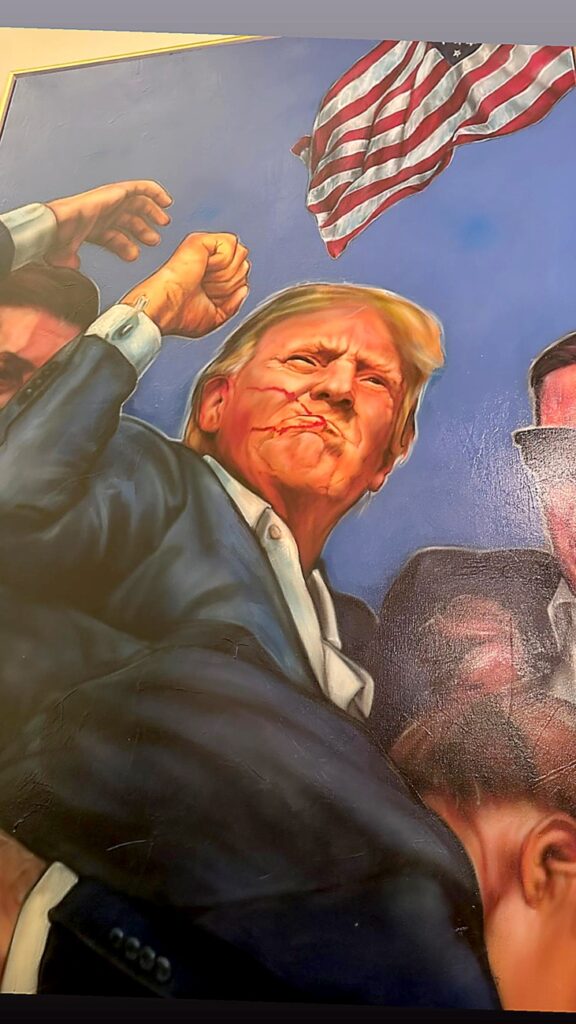
Just outside the dining area, one image drew sustained attention. A portrait of President Trump from the aftermath of the assassination attempt showed him with his fist raised, his face bloodied but resolute. The image became one of the most photographed moments of the night, eclipsing even many of the historic paintings nearby. Its symbolism was unmistakable.
The culinary execution reflected the scale of the occasion. Multiple chefs were stationed throughout, and the food was refined, abundant, and clearly intentional. Everything was prepared under the supervision of the Vaad of Washington. This was not routine event catering. It was a high level operation executed with precision.
As the room filled, it became clear this was not a casual social gathering. Lawmakers from both parties were present alongside senior administration officials, ambassadors, major donors, and influential voices shaping the national conversation. Among them were Commerce Secretary Howard Lutnick, Ambassador Lana Marks, members of Congress including Josh Gottheimer and Jared Moskowitz, and prominent figures such as Mark Levin and Sid Rosenberg, along with other senior officials and advisors whose presence underscored the seriousness of the gathering. Conversations were purposeful. Relationships were reinforced. Much of what mattered did not need to be articulated.
At one point, the seriousness of the setting asserted itself in an unexpected way. Someone in the crowd fainted, and my husband, a physician known for his diagnostic precision, along with several other doctors who were present, stepped into an adjacent room to assist until the individual recovered. Even in rooms defined by symbolism and power, human needs persist, and competence matters just as much as ceremony.


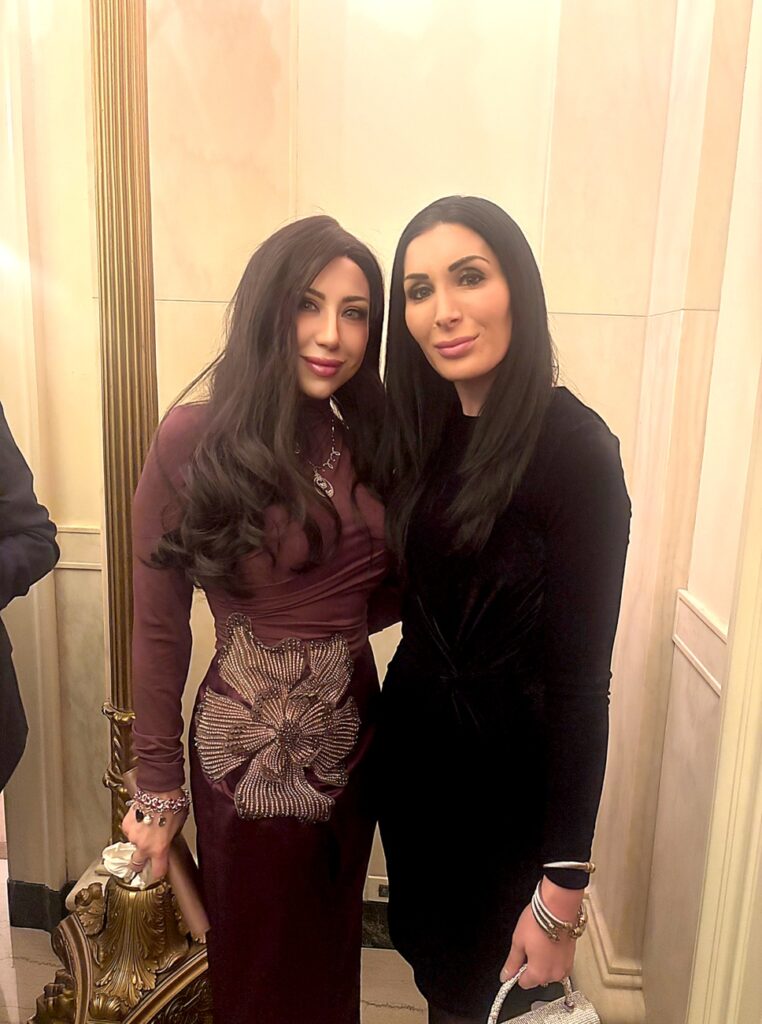

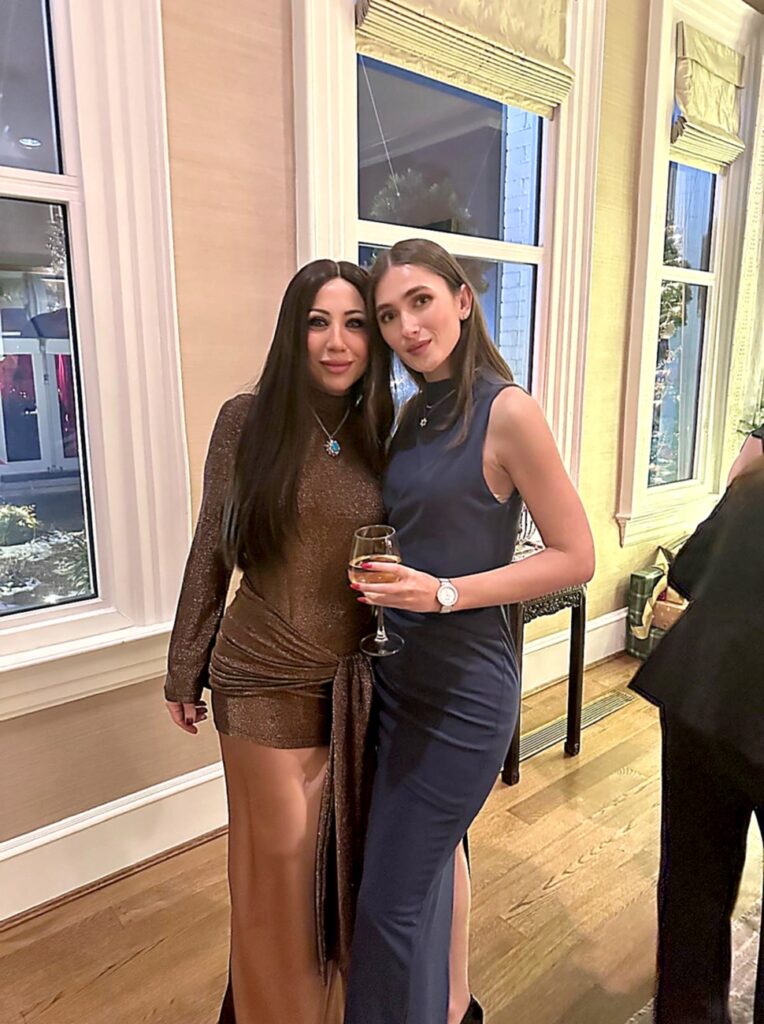
We met the father of Meadow Pollack, who was murdered in the Parkland school shooting, along with her brother Hunter, an attorney who works under Pam Bondi. We had known each other from earlier encounters after Meadow’s death, so this was not a first meeting. At one point, her father half jokingly remarked that Hunter needed a shidduch, calling him a good Jewish boy. It was said lightly, but it landed. Even in rooms shaped by tragedy and power, life insists on moving forward, often in unexpectedly human ways.
I also had a meaningful exchange with Howard Lutnick. The interaction quietly revealed how rooms like this function. Someone nearby was clearly trying to determine who he was without knowing, circling the conversation cautiously. I stepped in and introduced him properly. He immediately understood what was happening and found it amusing. We spoke briefly about the scope of his role and the long term impact of economic policy. I mentioned that I have two sons working in finance and how deeply these decisions matter beyond headlines. It was a small moment, but a telling one.
Another quiet exchange happened the evening before, at a separate reception held at the Naval Observatory, the Vice President’s residence. I had a brief, practical conversation there with Rabbi Levi Shemtov’s wife about kosher supervision, and we crossed paths again at the White House reception the following night, exchanging warm greetings.
When President Trump entered the room, the energy shifted immediately. He was fully engaged and clearly in command of the moment. He mocked the predictable media ecosystem, including CNN and the broader press corps, with timing and humor that had the room laughing. Humor, in that moment, was not incidental. It was a tool of command.
He spoke directly about rising antisemitism and the cultural pressures facing the Jewish community. In that context, he discussed plans for a new White House ballroom, emphasizing that it would be funded entirely by private donors, not taxpayers. The project has been publicly discussed at an estimated cost of roughly three hundred million dollars. He framed it as a practical necessity, particularly for future inaugurations, noting that many countries maintain formal ballrooms for major state occasions and that security is most effectively managed within a contained White House environment.
President Trump also introduced Miriam Adelson, a longstanding supporter of pro Israel causes and one of the most consequential donors in modern Republican politics. In doing so, he joked that when someone gives two hundred and fifty million dollars, you have to bring them on stage, before adding, tongue in cheek, that two hundred and fifty million is not what it used to be, so not to speak for too long. The room laughed. It was classic Trump.

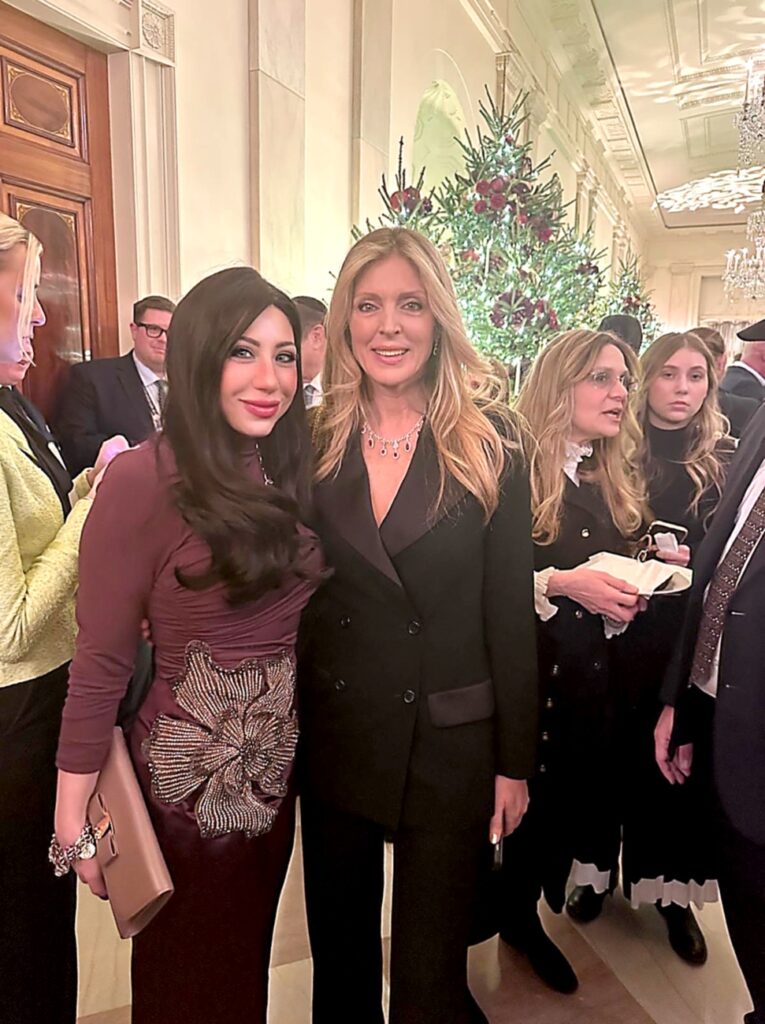
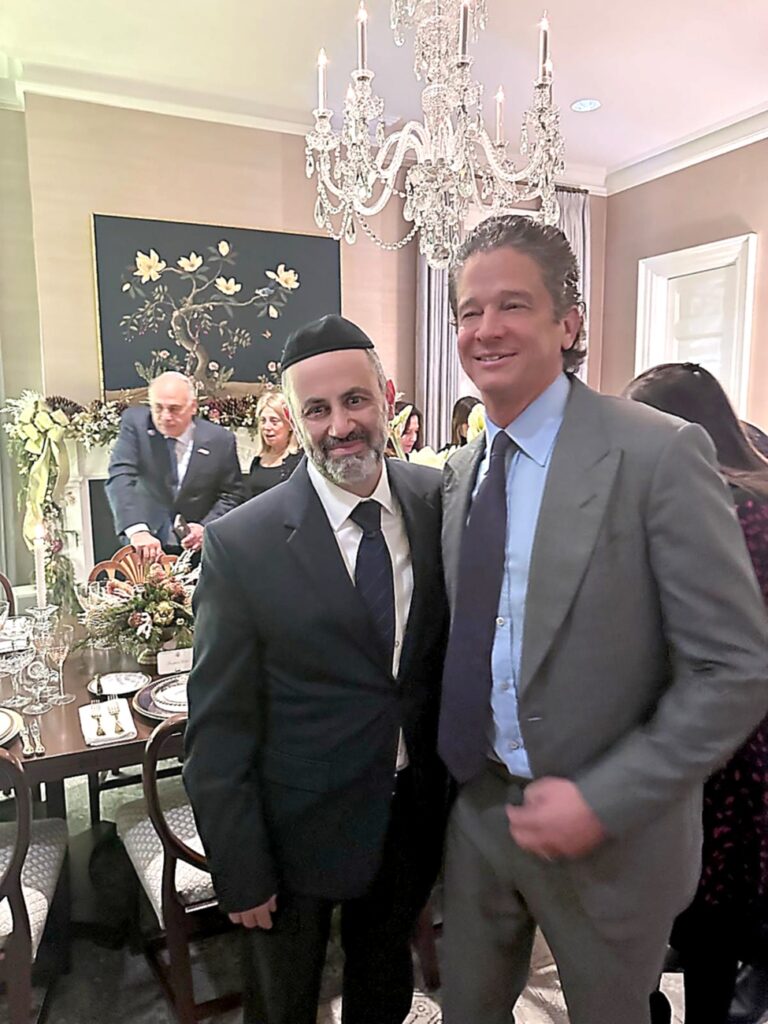
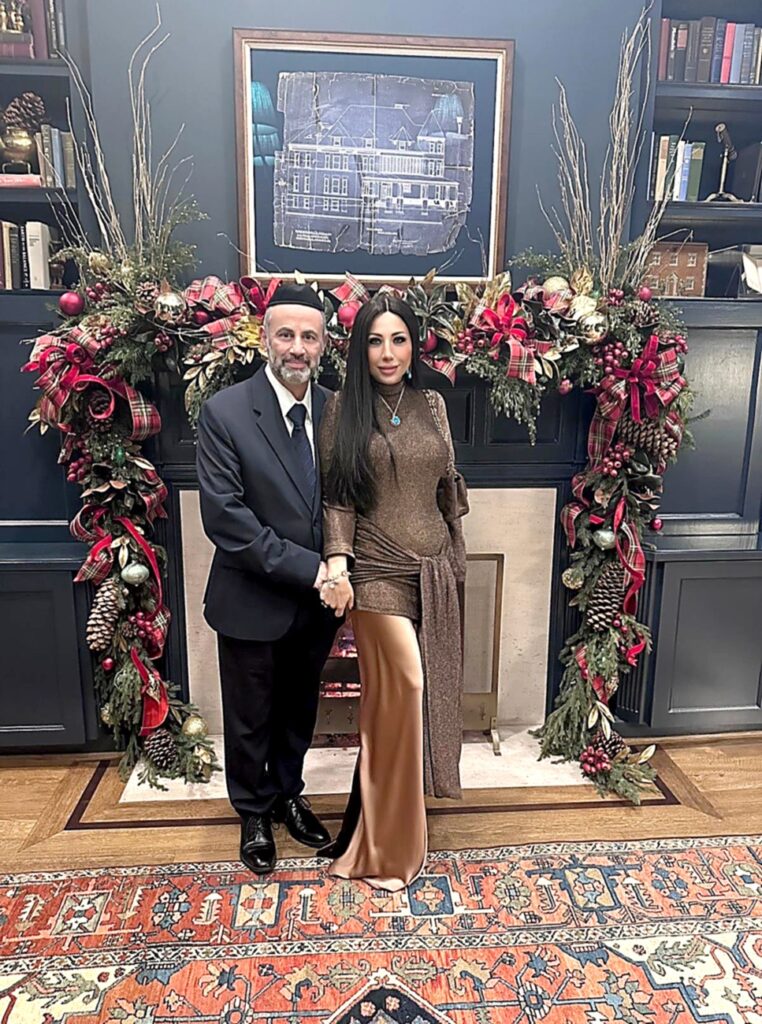
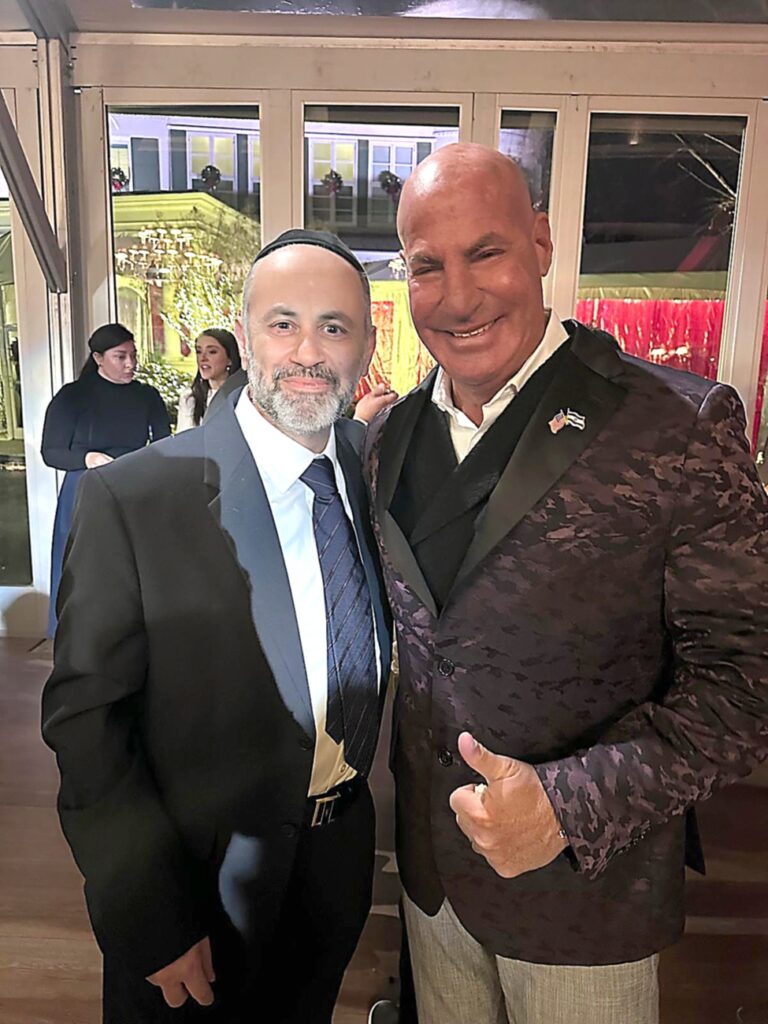
At one point, the President made an observation that framed the evening precisely. For every person in the room, he said, many more had wanted to attend and could not. Attendance was intentionally limited. Access was selective. I was aware that I was the sole representative from my community present, and I carried that responsibility consciously.
As he acknowledged individuals, President Trump called out my close friend Elizabeth Pipko. Watching her be publicly recognized was the highlight of the evening for me. It reflected years of earned trust.
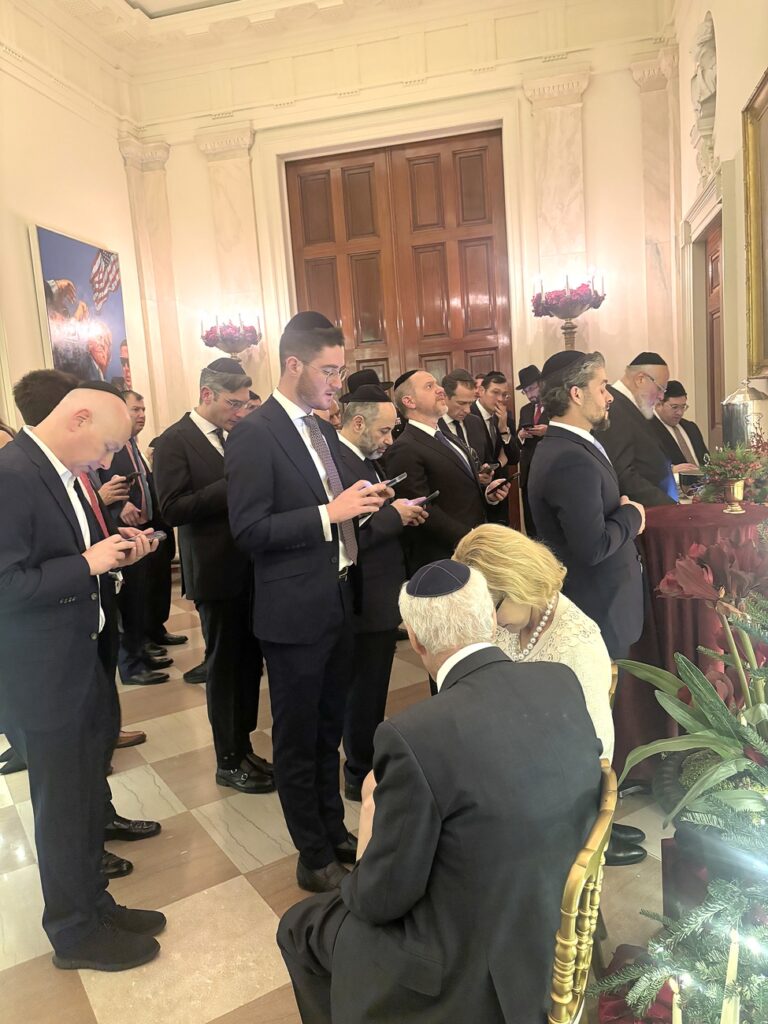
Toward the end of the night, just before guests began to depart, a minyan formed organically near the foyer, in the interior space connecting the central room and the dining area. My husband joined in prayer alongside Jason Greenblatt and several senior figures, including ambassadors and public officials. It was unplanned, quiet, and deeply grounding.
To watch my husband, whose family came to this country as refugees from Syria, standing in prayer inside the White House was clarifying. It captured something essential about America at its best. Faith does not need to be hidden. Origin is not destiny.
That moment carried meaning for me as well. I am Canadian by birth and now a legal American citizen. To stand in the White House not merely as an attendee, but as a recognized leader and representative of my community, was not something I took lightly. America allows ascent paired with responsibility. It tests what you do with the opportunity it offers.
What this evening illustrated is that in American political life, access and trust are not granted by visibility alone. They are earned through sustained engagement, shared priorities, and mutual understanding. The dynamics in that room foreshadow how alliances, narratives, and priorities will shape the political moment ahead.
In a political culture driven by optics, it is easy to confuse visibility with influence. Evenings like this offer a corrective. Real power operates quietly, relationally, and often out of public view. The official record will show the speeches and the candles. What it will not capture is how much of American political life still unfolds exactly this way.
Linda Argalgi Sadacka is a writer, political activist, and community leader. She is the CEO of the New York Jewish Council and the founder of Chasdei David, a 501(c)(3) charity. Her advocacy, sparked by the tragic murder of a close friend by Hamas, has made her a leading voice for the Jewish community in America and abroad. She was honored as a Woman of Distinction in 2022 by Senator Simcha Felder for her leadership and activism. Linda is also the host of The Silent Revolution podcast, where she shares weekly classes blending Torah, prayer, and real-world reflection, making ancient wisdom urgent and relevant for our times


